
Angelique
1964
No user ratings available yet
Representation score: 1.7 out of 10
Representation Score
Limited
1968
TV-MADirector
Bernard Borderie
Runtime
105 minutes
Average Rating
No ratings yetNew Showbiz Analysis
Angélique and the Sultan is a period adventure romance that reflects the storytelling conventions of the 1960s. While the protagonist displays individual ability to act against systemic oppression, the film remains anchored in traditional Western-centric perspectives. The narrative relies heavily on established genre clichés, particularly the tension between European travelers and 'othered' Eastern cultures. This creates a framework where the setting serves primarily as a backdrop for romantic and survivalist conflict. Ultimately, the film prioritizes heterosexual romance and historical adventure over modern characters who reflect more than one aspect of diversity or cultural critique.
Category Breakdown
The film follows a strictly heterosexual romantic structure. There is no evidence of same-sex intimacy or non-binary gender identities present in the narrative.
The protagonist demonstrates a significant role in driving the story by resisting her captors and refusing to be bedded. While she faces systemic subjugation, her active pursuit of escape disrupts the passive victim cliché.
The North African setting provides a non-Western backdrop, but the story relies on a 'clash of civilizations' cliché. The European protagonist serves as the primary lens for viewing the culture.
The narrative centers on a conflict between Christian prisoners and a Muslim kingdom. It reinforces traditional views of Eastern power structures as volatile sites of peril for European travelers.
There is no discernible evidence regarding the inclusion of characters with visible or invisible disabilities within the film.
Present on Screen
Limited or Absent
Official Synopsis
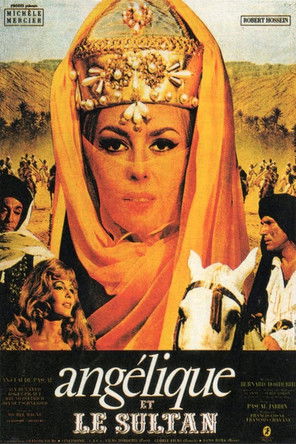
Angélique is in a North African Muslim kingdom where she is now part of the Sultan's harem. She refuses to be bedded as her captors try to beat sense into her. She finally decides to escape with the help of two Christian prisoners.
1964

1959

1967

1975

1966

1961

1965

1961
No reviews yet. Be the first to share your thoughts on this movie!
Use the rating form above to leave a star rating and optional review.