
Sadie McKee
1934
No user ratings available yet
Representation score: 1.6 out of 10
Representation Score
Minimal
1936
ApprovedDirector
Roy Del Ruth
Runtime
80 minutes
Average Rating
No ratings yetNew Showbiz Analysis
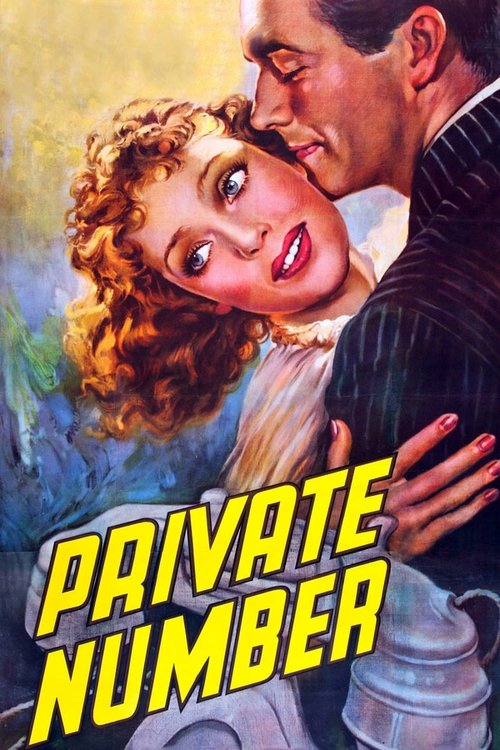
Private Number is a conventional 1930s period drama that operates strictly within the social and moral frameworks of its era. The narrative centers on interpersonal romantic complications and class-based tension, resulting in a narrow scope of representation. The film relies heavily on established genre clichés, focusing on a domestic setting where social decorum and class distinctions dictate character interactions.
Category Breakdown
The film does not include any queer narratives or characters with non-straight identities. It focuses on a traditional romance between a maid and her employer's son.
Ellen Neal is shown as an inexperienced maid, a role that suggests limited control over her circumstances. The story adheres to established period clichés of class-based courtship without challenging gendered power structures.
There is no indication of a multi-ethnic cast or non-Anglo-Saxon characters. The film reflects the homogeneous casting norms of 1930s Hollywood.
The setting emphasizes traditional Western social stratification through a rigid hierarchy of employers and staff. The narrative focuses on maintaining social decorum within this class system.
The film does not feature any characters with visible or invisible disabilities.
Present on Screen
Limited or Absent
Official Synopsis
Ellen Neal, a young and inexperienced maid, becomes romantically involved with her employers son which causes various complications. The head butler also has an infatuation for the young girl but his intentions are not that good.
1934

1934

1933

1931
1930
1932

1932

1932
No reviews yet. Be the first to share your thoughts on this movie!
Use the rating form above to leave a star rating and optional review.