Le Plaisir
1952
No user ratings available yet
Representation score: 5.7 out of 10
Representation Score
Fair
1964
Not RatedDirector
Roger Vadim
Runtime
105 minutes
Average Rating
No ratings yetNew Showbiz Analysis
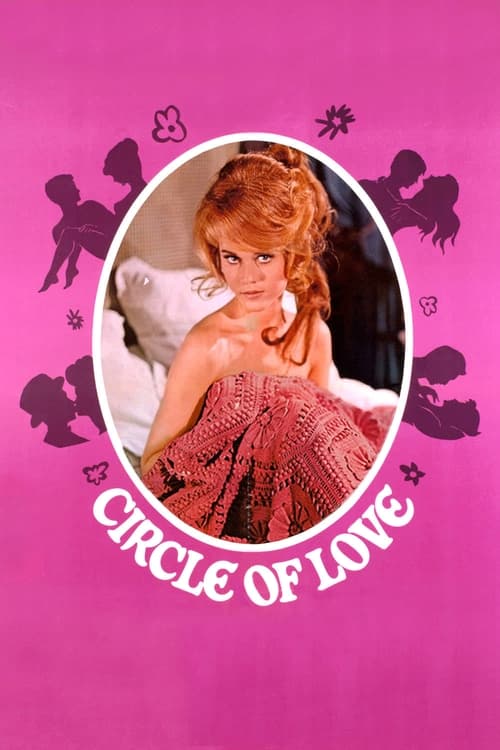
Roger Vadim’s *Circle of Love* is a provocative exploration of human desire that challenges the moral constraints of its era. By using a chain reaction of romantic vignettes, the film deconstructs traditional romantic structures and explores the fluidity of intimacy. While the film is progressive in its rejection of rigid moralism and its depiction of women's ability to drive the story, it remains rooted in the demographic homogeneity and straight-centered structures typical of 1960s European cinema. Ultimately, the work focuses on shifting power dynamics and situational ethics, rather than diverse representation.
Category Breakdown
The film primarily centers around heterosexual relationships, without explicitly featuring queer identities. Instead, it explores the cyclical nature of sexual attraction.
Women play significant roles in pursuing pleasure and navigating social interactions. The film challenges traditional gender hierarchies by portraying sexuality as a dynamic, shared experience.
The film adheres to Eurocentric casting norms typical of the mid-1960s. It focuses on a homogeneous social group without substantial racial diversity or non-white characters in key roles.
The film promotes moral relativism by depicting intimacy as a transient, disruptive force. It questions the sanctity of traditional family units in favor of secular pleasure.
There are no prominent depictions of visible or invisible disabilities within the narrative or historical record.
Present on Screen
Limited or Absent
Official Synopsis
In a chain reaction of romantic adventures, various people play musical beds in a remake of Max Ophul's "La Ronde."
1952

1950
1969

1957

1977
1956

1939

1969
No reviews yet. Be the first to share your thoughts on this movie!
Use the rating form above to leave a star rating and optional review.