Camilla
1954
No user ratings available yet
Representation score: 2.4 out of 10
Representation Score
Limited
1950
NRDirector
Federico Fellini, Alberto Lattuada
Runtime
93 minutes
Average Rating
No ratings yetNew Showbiz Analysis
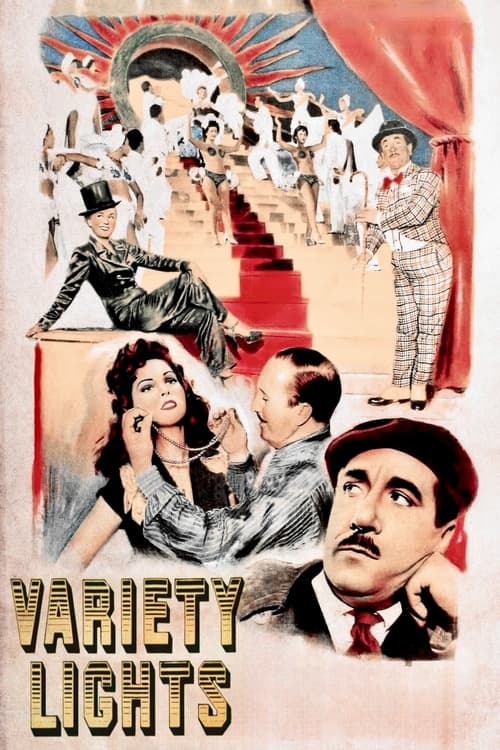
Variety Lights is a character study centered on the performative nature of identity and the pursuit of fame. It challenges traditional gender hierarchies by giving Lily Antonelli the power to navigate and transcend her professional environment. However, the film remains limited by its era, adhering to the demographic and social norms of mid-century Italy. It lacks meaningful LGBTQ+ representation and does not utilize racial diversity as a narrative tool. Ultimately, the film's strength lies in its exploration of the 'spectacle' and the construction of persona, even if it lacks broad characters who reflect more than one aspect of diversity.
Category Breakdown
The story focuses on romantic and professional rivalries within a traditional framework that assumes everyone is straight. There are no visible LGBTQ+ identities or narratives.
Lily Antonelli plays a significant role in driving the story with her professional ascent and ambition. She shifts power dynamics and is not a passive participant.
The cast reflects the demographic norms of mid-century Italy. While there are various performers in the variety show setting, the film does not use diverse casting to critique systemic issues.
The film looks at the artifice of the entertainment industry and the struggle for social mobility. It questions the stability of social roles and fame through the spectacle of performance.
There are no prominent depictions of physical or neurodivergent disabilities. Such traits are not used as central plot devices or defining character elements.
Present on Screen
Limited or Absent
Official Synopsis
In Italy, Checco Dal Monte manages a troupe of traveling performers with plenty of heart but minimal talent. At a small town engagement, he encounters the starry-eyed, gorgeous Lily Antonelli, and hires her as a dancer on the show. Vivacious Lily quickly sells out crowds and earns the resentment of Checco's mistress, Melina Amour, but the fledgling performer has far bigger ambitions and soon sets her sights on a higher-profile role.
1954

1952
2009
1953

1954
1956
1963
1959
No reviews yet. Be the first to share your thoughts on this movie!
Use the rating form above to leave a star rating and optional review.