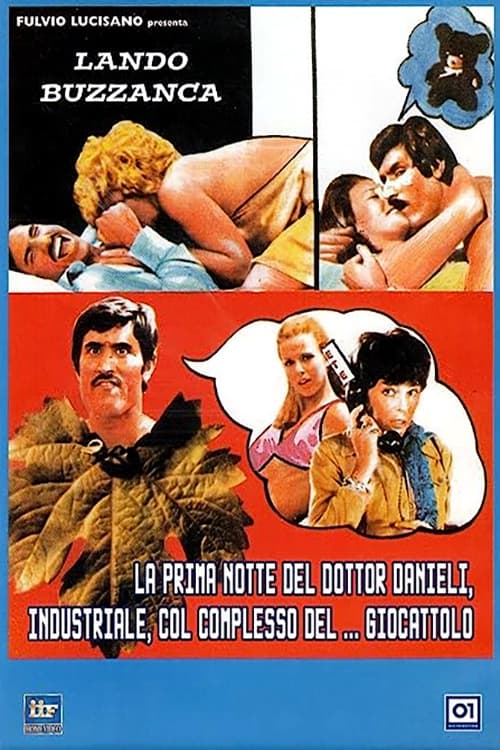
The Lovemakers
1970
No user ratings available yet
Representation score: 2.5 out of 10
Representation Score
Limited
1970
PGDirector
Dino Risi
Runtime
103 minutes
Average Rating
No ratings yetNew Showbiz Analysis
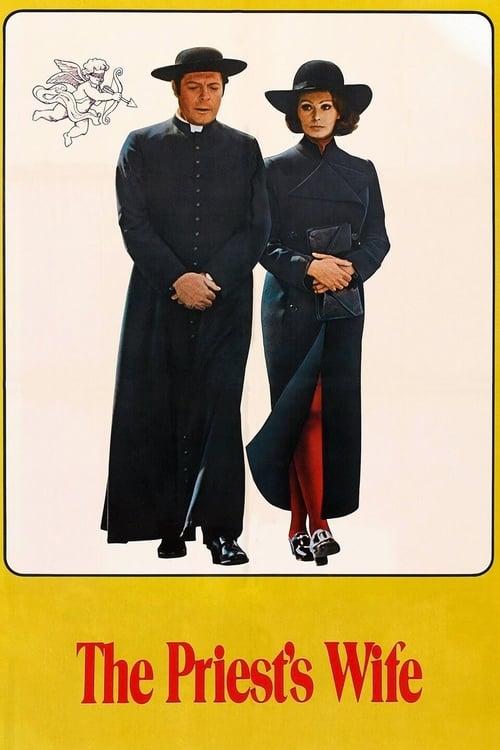
The Priest's Wife critiques institutional rigidity through a period-specific lens. Though it lacks modern multi-layered diversity regarding race and LGBTQ+ identities, it successfully challenges traditional gender and religious hierarchies. The film's structure emphasizes individual human desires over strict adherence to established Western moral codes. This reflects the evolving social dynamics of the era through a comedic perspective. Ultimately, the work satirizes social hierarchies, using the vulnerability of the priesthood to question the perceived absolute authority of religious institutions.
Category Breakdown
The film does not include any LGBTQ+ characters or explore non-straight identities. The main conflict revolves around traditional heterosexual desires and religious celibacy.
Monica Vitti's character provides significant emotional and narrative impact, driving the plot through her personal struggles. This shifts power from institutional male authority to individual female empowerment.
Set in 1970s Italy, the film reflects the demographic uniformity of its time. The narrative operates within a culturally specific, Eurocentric context without intentional racial diversity.
The story questions religious institutions by depicting a priest's struggle with vows through humor. It implies that human instincts might override rigid ecclesiastical doctrines and absolute sanctity.
There are no visible or invisible disabilities portrayed as central to the character arcs or narrative progression.
Present on Screen
Limited or Absent
Official Synopsis
After discovering her boyfriend is married, a young woman attempts suicide but survives and falls for the priest who took her call, leading to complications with his vow of celibacy.
1970
1969

2017
1961
1975
1998
2005
1972
No reviews yet. Be the first to share your thoughts on this movie!
Use the rating form above to leave a star rating and optional review.