The Fox and the Duck
1945
No user ratings available yet
Diversity score: 1.3 out of 10
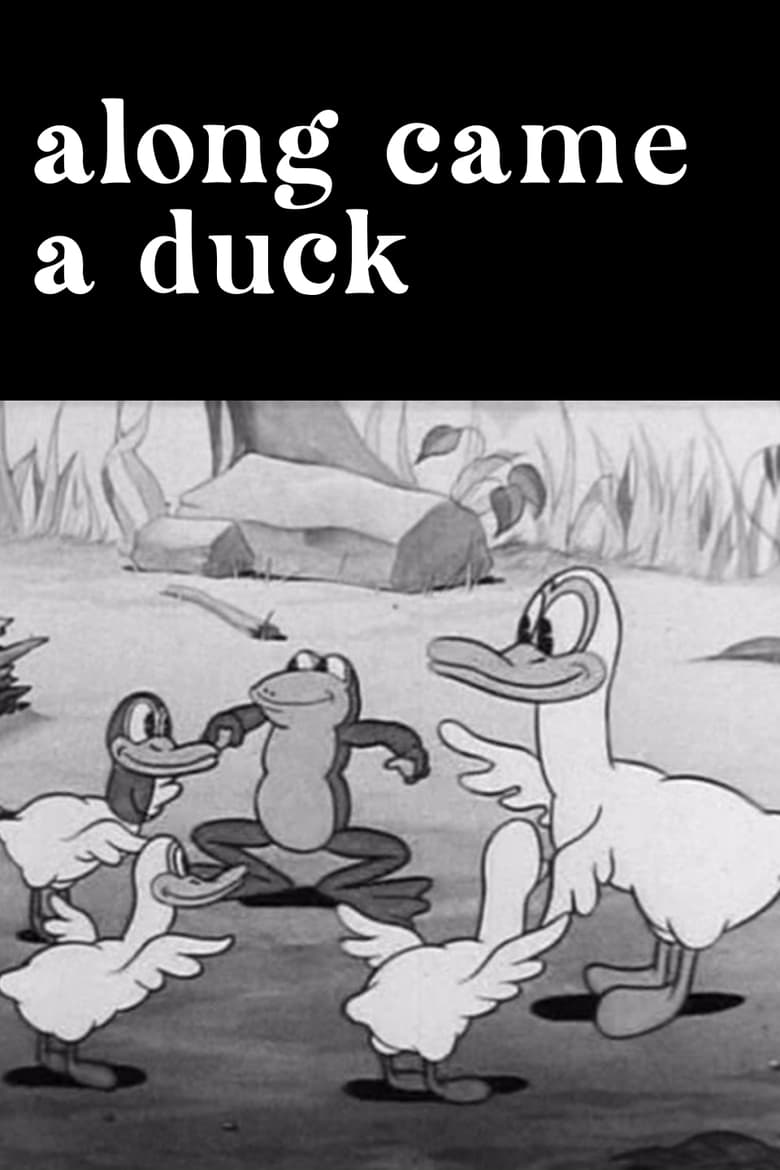
1934
ApprovedDirector
Burt Gillett, Steve Muffati
Runtime
7 minutes
Average Rating
No ratings yetSynopsis
A little boy chasing after a duck encounters a cartoon frog, who tells him the story of how he saved that duck's life.
Overall Score
Limited
Category Breakdown
LGBTQ+ Representation
The film lacks any evidence of LGBTQ+ characters or queer themes. It follows a standard, linear fable structure typical of 1930s animation.
Gender Representation
The narrative centers on a little boy and a cartoon frog. There is a notable absence of female characters or gender-diverse agency.
Racial & Ethnic Diversity
The story focuses on a boy and animals without specifying ethnicity. This suggests a reliance on the homogeneous casting common to the era.
Religious & Cultural Diversity
The film uses a traditional, moralistic fable structure. It lacks any themes that challenge Western or conventional storytelling norms.
Disability Representation
There is no information regarding the depiction of physical or neurodivergent characters in this short.
Strengths
Areas for Improvement
AI Analysis
This 1934 animation is a product of its time, adhering to the traditional narrative structures of early Disney-era shorts. The story relies on a simple, didactic fable format involving a boy, a duck, and a frog. The film lacks intersectional complexity, offering little in the way of diverse identities or non-traditional perspectives. It functions as a conventional piece of character-driven animation rather than a work of social subversion. Ultimately, the production reflects the systemic constraints of the 1930s, prioritizing standard tropes over representation or identity-driven narratives.
1945
1948
1946
1945
1934
1931
1955
1938

1932
1935
1945
1947
No reviews yet. Be the first to share your thoughts on this movie!
Use the rating form above to leave a star rating and optional review.