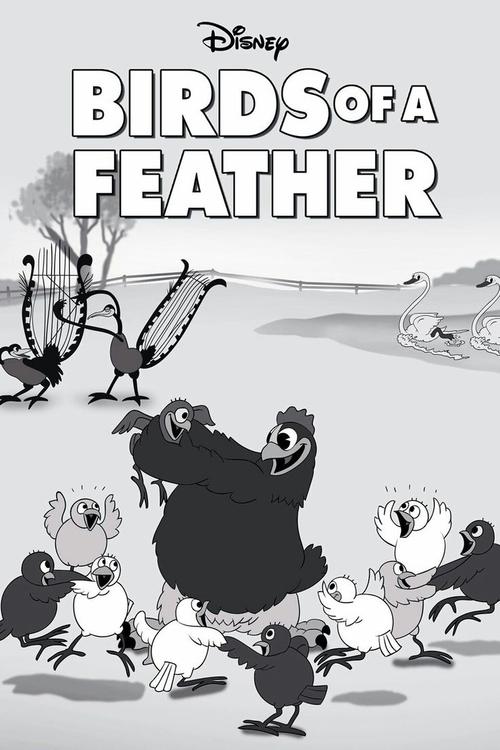
Birds of a Feather
1931
No user ratings available yet
Representation score: 0.4 out of 10
Representation Score
Limited
1935
ApprovedDirector
Burt Gillett, Tom Palmer
Runtime
7 minutes
Average Rating
No ratings yetNew Showbiz Analysis
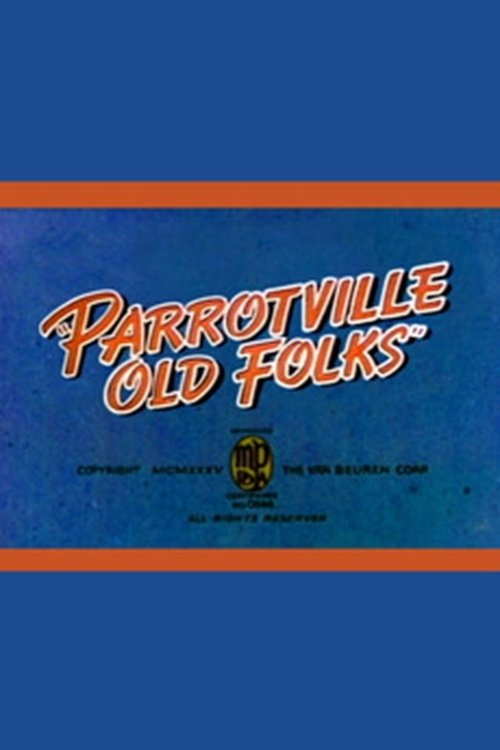
Parrotville Old Folks reflects its era by focusing on communal stability and traditional social harmony. The narrative centers on the cozy, domestic lives of elderly parrots, highlighting harmony and shared celebrations. Because the characters are non-human, the film avoids direct racial or ethnic representation, presenting a homogeneous social group. The storytelling relies on standard 1930s formulas that reinforce conventional social structures without challenging them. Ultimately, the film lacks the depth to explore multi-layered identities or subvert established hierarchies, functioning as a simple celebration of domesticity and social gatherings.
Category Breakdown
The film does not include any non-binary or LGBTQ+ identities or same-sex relationships. The story follows the traditional social structures common in early 20th-century animation.
Activities such as cleaning and tending fires reinforce traditional gender roles. There is no indication of challenging gender hierarchies or depicting masculinity in non-traditional ways.
The characters are anthropomorphic parrots, so there is no clear evidence of racial or ethnic diversity. The social group is homogeneous without visible multi-layered complexity.
The story emphasizes Western values of community and domestic warmth, celebrating traditional social cohesion through music and shared meals without challenging established institutions.
The characters are elderly, but the film only depicts aging in a general sense. There is no detailed exploration of neurodivergence or specific physical disabilities.
Present on Screen
Limited or Absent
Official Synopsis
Some elderly parrots are washing and cleaning up around the house, when one of them is phoned by Matron Birdkins, who invites them over to the Old Folks Home to play some tunes. They're hindered by a snowstorm, but make it none the worse for wear, warming themselves by a fire they help stoke. They play and sing some songs, and then a chaotic dinner ensues. This is followed by more singing and dancing, and a good time is had by all.
1931
1939

1929
1935
1935
1930

1935
1937
No reviews yet. Be the first to share your thoughts on this movie!
Use the rating form above to leave a star rating and optional review.