
Smart Money
1931
No user ratings available yet
Diversity score: 1.8 out of 10

1940
NRDirector
Alfred E. Green
Runtime
74 minutes
Average Rating
No ratings yetSynopsis
Two troublesome boys grow into very different men, one becoming a hoodlum and the other embracing college but both are in-love with the same girl.
Overall Score
Limited
Category Breakdown
LGBTQ+ Representation
The film follows a strictly heteronormative path. The plot centers on a romantic rivalry between two men for a single woman, offering no non-cisnormative identities.
Gender Representation
Gender roles remain traditional and hierarchical. While the female lead drives the emotional stakes, her agency is largely reactive to the male protagonists' competition.
Racial & Ethnic Diversity
The story focuses on a homogeneous white, working-class experience. It relies on common urban ethnic archetypes like Irish or Italian-American characters without significant racial intersectionality.
Religious & Cultural Diversity
The narrative explores socioeconomic hardship through a moralistic lens. It emphasizes individual responsibility and social order rather than offering a radical critique of systemic poverty.
Disability Representation
There is no discernible focus on physical disabilities, neurodivergence, or mental health conditions within the film's thematic structure.
Strengths
Areas for Improvement
AI Analysis
East of the River is a quintessential 1940s crime drama that prioritizes conventional morality and traditional social hierarchies. The narrative focuses on the divergent paths of two men, using their struggle for upward mobility and romantic success to reinforce standard character archetypes. While the film addresses the pressures of poverty, it does so to highlight individual moral choices rather than to challenge institutional structures. The cast is limited to specific white ethnic archetypes, and the gender dynamics remain largely reactive and traditional. Ultimately, the film functions as a moral melodrama that upholds the social order of its era, lacking significant representation of diverse identities or systemic deconstruction.
1931
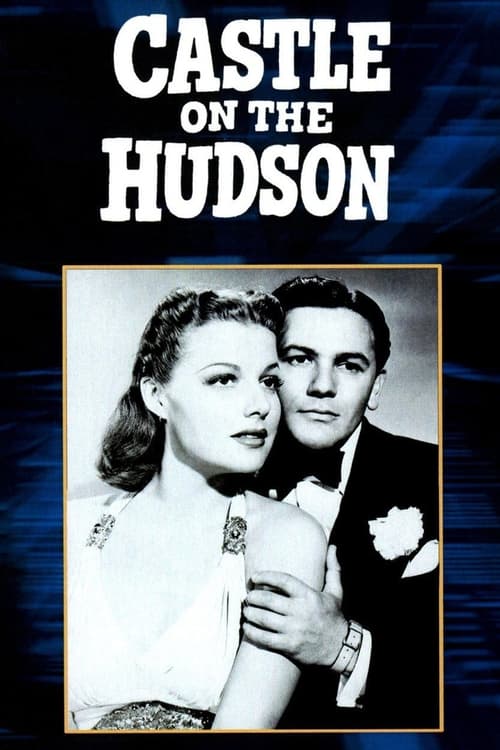
1940
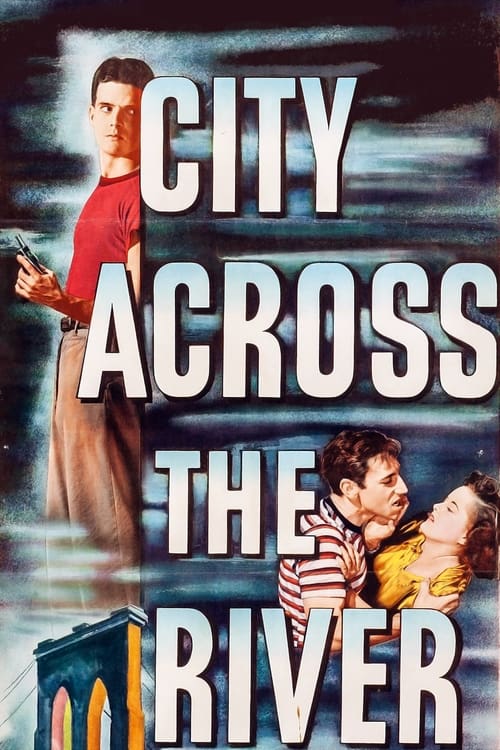
1949

1932
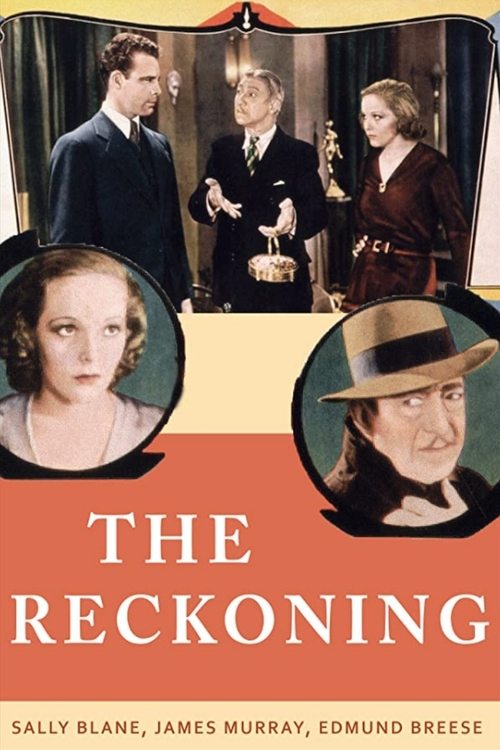
1932
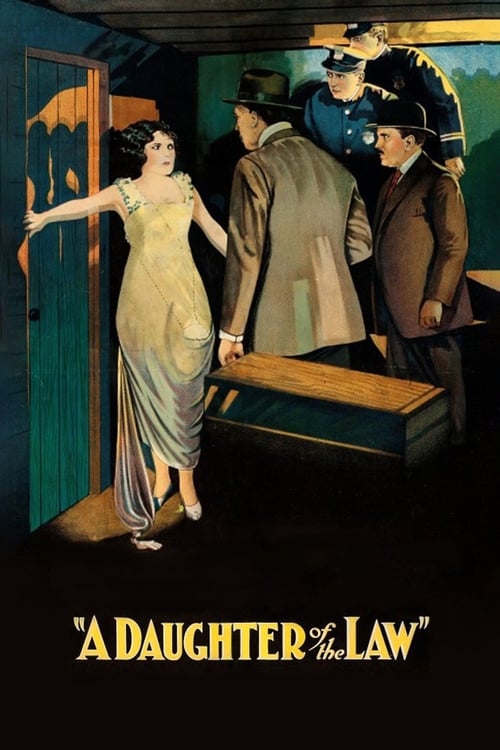
1921
1938

1939

1931
1938
1934
1941
No reviews yet. Be the first to share your thoughts on this movie!
Use the rating form above to leave a star rating and optional review.