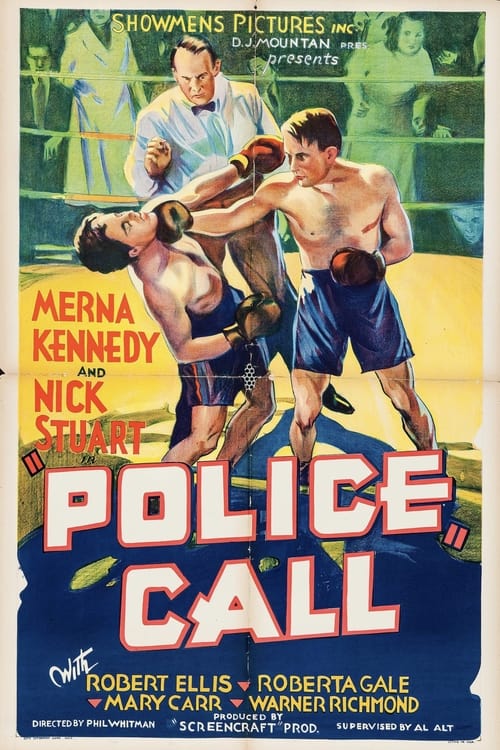
Police Call
1933
No user ratings available yet
Representation score: 1.4 out of 10
Representation Score
Minimal
1921
PassedDirector
Jack Conway
Runtime
50 minutes
Average Rating
No ratings yetNew Showbiz Analysis
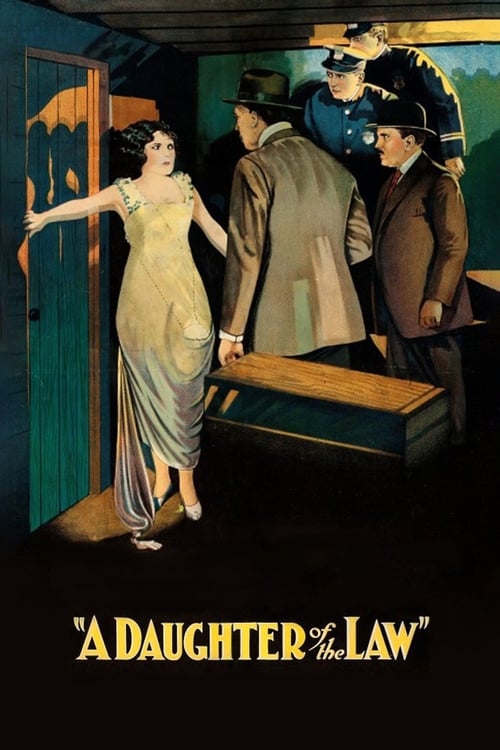
A Daughter of the Law is a typical 1921 crime drama that relies on the moral archetypes of its time. While the female lead has a significant role, her influence is limited to domestic and moral issues rather than challenging existing social hierarchies. The film supports traditional institutions, focusing the conflict on the tension between criminal behavior and the protection of the law. This emphasis preserves the social structures of early 20th-century society. From a demographic perspective, the work lacks diversity, reflecting the homogeneous casting practices of early Hollywood. It serves as a period piece that prioritizes established social orders over varied or subversive storytelling.
Category Breakdown
The film does not include any LGBTQ+ characters or stories that challenge the idea that everyone is straight. It follows the social norms of the silent film era.
A female character drives the moral storyline by trying to keep her brother from committing crimes. However, her role is mainly to maintain moral stability within a male-dominated law enforcement system.
The production reflects the uniform demographics of 1921, with no indication of diverse ethnic or racial representation in the cast.
The story emphasizes preserving traditional institutions like the family and the law. It upholds established societal norms without questioning them.
The film does not feature any characters with visible or invisible disabilities. The narrative does not address disability representation.
Present on Screen
Limited or Absent
Official Synopsis
When Eddie, the son of a police officer, gets involved with a criminal gang, his sister tries to steer him away from crime.
1933

2021

1930
1939

1938

1931

1924

1924
No reviews yet. Be the first to share your thoughts on this movie!
Use the rating form above to leave a star rating and optional review.