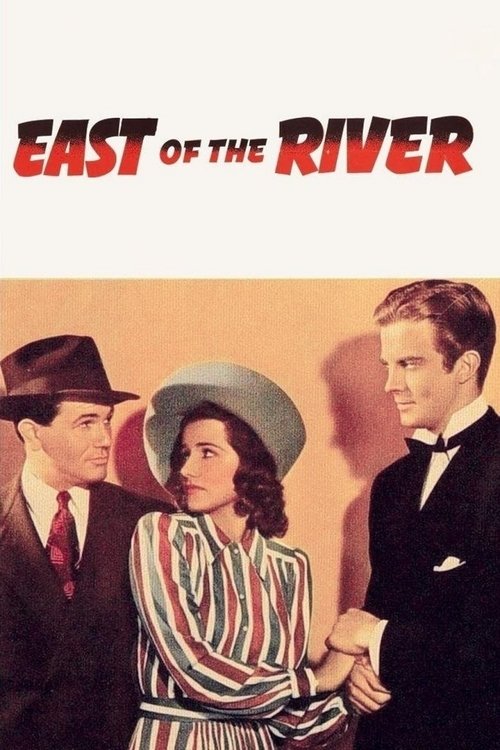
East of the River
1940
No user ratings available yet
Diversity score: 2.3 out of 10
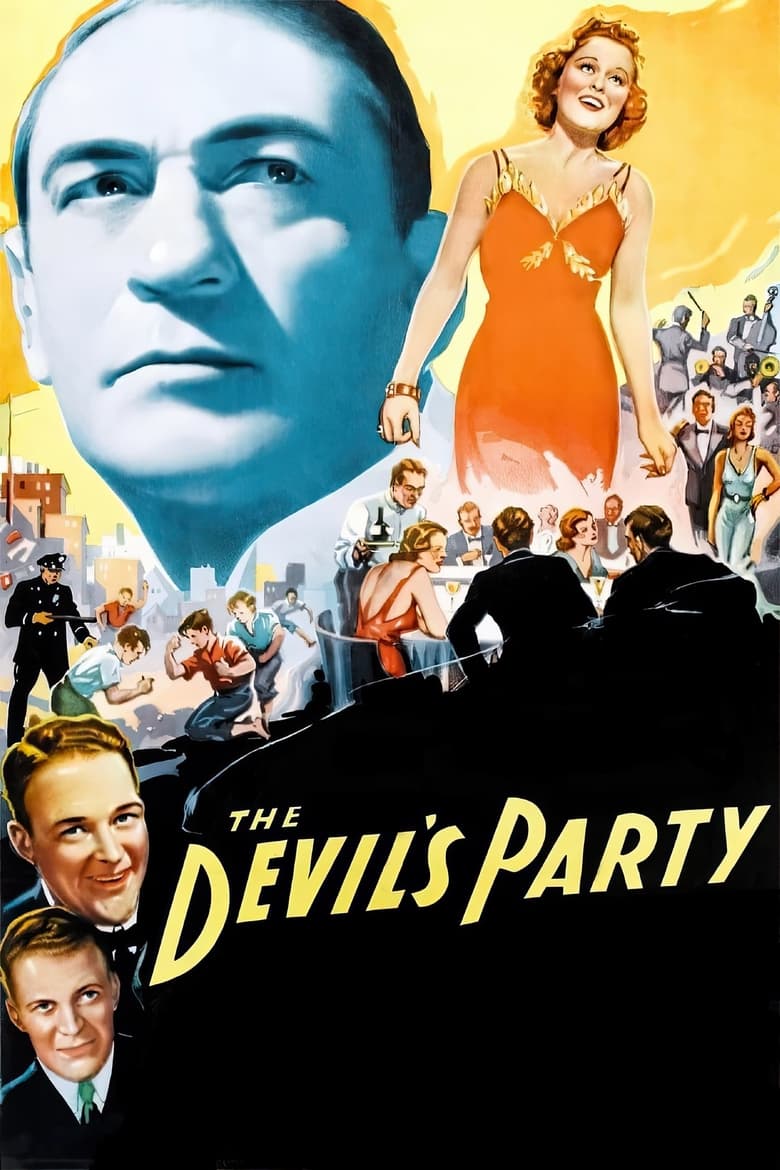
1938
Director
Ray McCarey
Runtime
65 minutes
Average Rating
No ratings yetSynopsis
Adults who grew up as slum kids meet later in life, but murder disrupts their reunion.
Overall Score
Limited
Category Breakdown
LGBTQ+ Representation
The film lacks any evidence of LGBTQ+ characters or non-cisnormative identities. It adheres strictly to the heteronormative social structures typical of 1930s cinema.
Gender Representation
The story centers on male-dominated spaces like street gangs and criminal underworlds. While Beatrice Roberts appears, the plot is driven by masculine archetypes and male-centric business environments.
Racial & Ethnic Diversity
The narrative focuses on a homogeneous group of characters within Hell's Kitchen. There is no evidence of a non-white majority cast or diverse racial blending.
Religious & Cultural Diversity
The film explores the survival instincts of the urban poor and situational ethics. It depicts a tough lifestyle shaped by socioeconomic circumstances rather than critiquing Western institutions.
Disability Representation
There is no indication of characters with visible or invisible disabilities. The film also lacks any neurodivergent representation.
Strengths
Areas for Improvement
AI Analysis
The film operates as a standard 1930s crime drama, prioritizing genre tropes over social disruption. Its narrative architecture is built around traditional masculine archetypes and a homogeneous social framework. While the story touches on the moral ambiguity of the criminal underworld and the struggles of the urban poor, it does not offer meaningful intersectional representation. The focus remains on the socioeconomic realities of Hell's Kitchen through a narrow lens. Ultimately, the production reflects the era's tendency toward Anglo-centric storytelling and conventional social hierarchies, lacking the intentionality to challenge established norms.
1940
1931

1933

1931

1938
1931
1938
1928

1939

1934

1930
1946
No reviews yet. Be the first to share your thoughts on this movie!
Use the rating form above to leave a star rating and optional review.