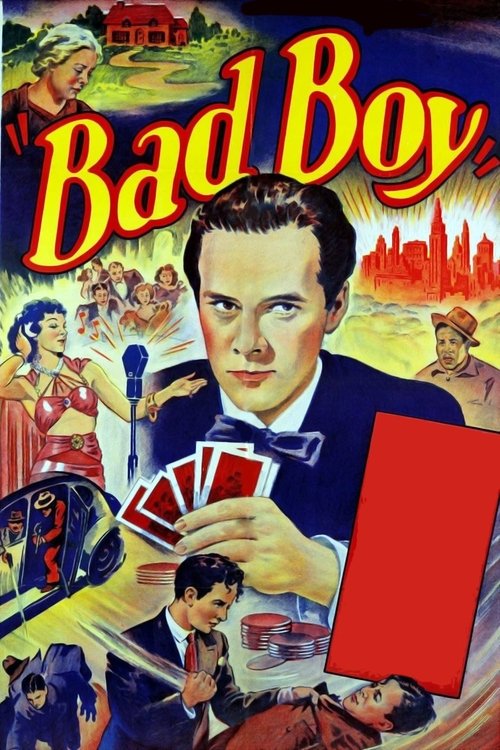
Bad Boy
1939
No user ratings available yet
Representation score: 1.9 out of 10

Representation Score
Minimal
1931
NRDirector
Alfred E. Green
Runtime
81 minutes
Average Rating
No ratings yetNew Showbiz Analysis
Smart Money provides a detailed look at class mobility and the moral flexibility needed to navigate high-society capitalism. While it offers a nuanced exploration of interpersonal power dynamics, it adheres to the demographic norms of early 1930s studio filmmaking. The film lacks complexity in representing diverse identities and focuses on class-based satire rather than diverse representation.
Category Breakdown
The film does not include any LGBTQ+ characters or themes. It assumes everyone is straight and cisgender.
Jean Harlow’s character uses her wit and charm to navigate male-dominated environments. However, the film ties female empowerment to economic success through relationships with men.
The cast is predominantly white and lacks meaningful racial or ethnic diversity. The film focuses on a white-centric portrayal of the American financial elite.
The story examines the moral flexibility of the wealthy and the instability of class structures. It functions as a social satire within the existing economic order.
No visible or invisible disabilities are shown in the main characters. Disabilities are not used as part of the narrative.
Present on Screen
Limited or Absent
Official Synopsis
Two brothers' trip to the big city to do a little gambling results in a fateful turn of events.
1939
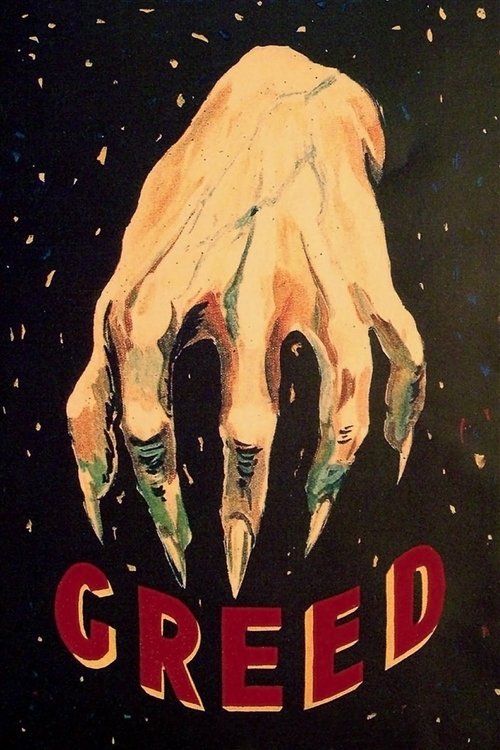
1924
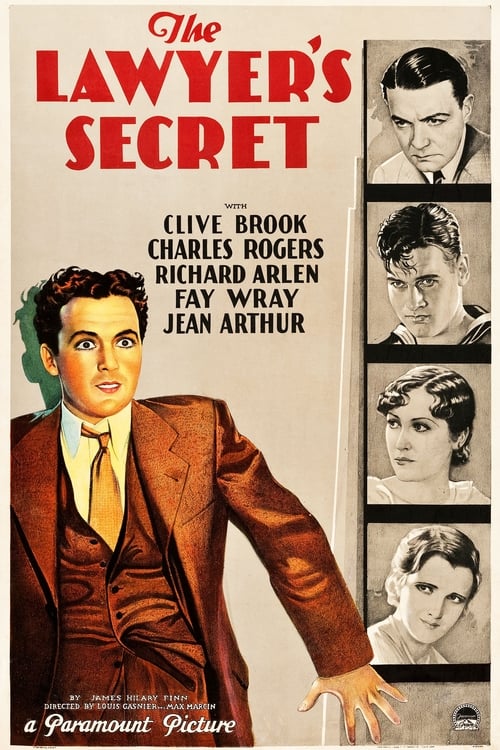
1931
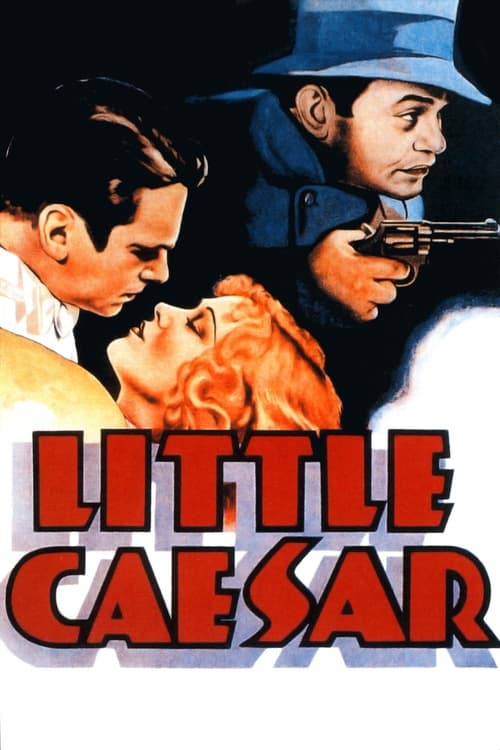
1931
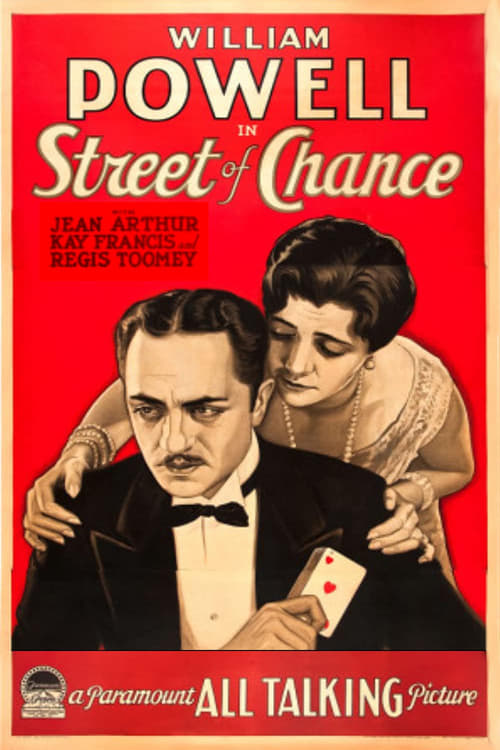
1930

1932
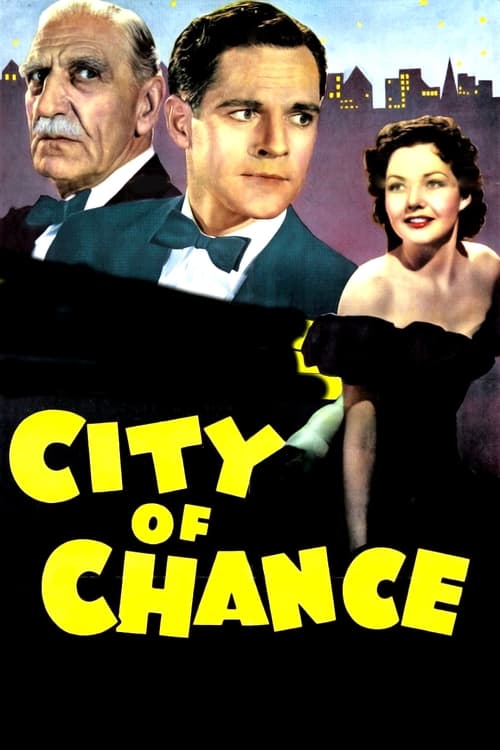
1940
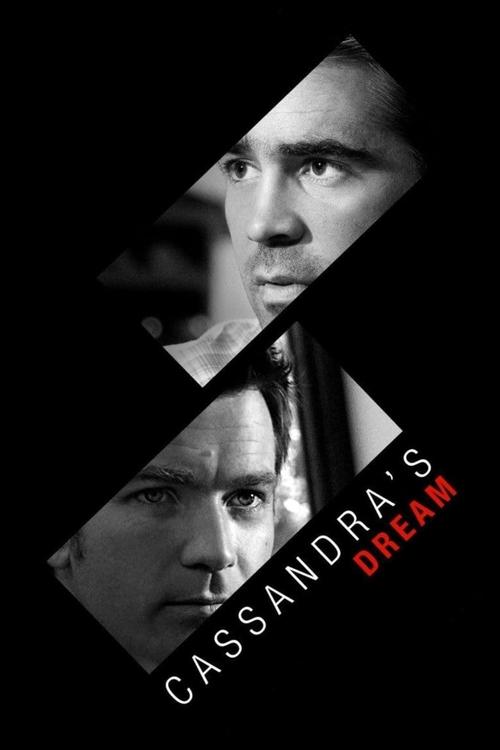
2007
No reviews yet. Be the first to share your thoughts on this movie!
Use the rating form above to leave a star rating and optional review.