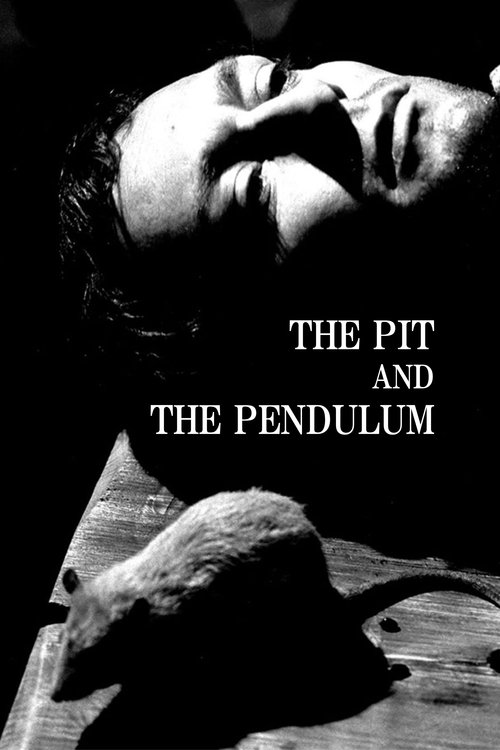
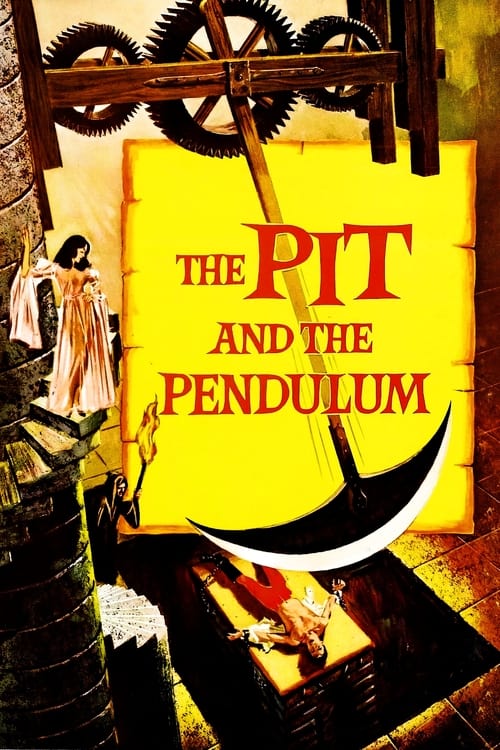
The Pit and the Pendulum
1964
No user ratings available yet
Representation score: 5.4 out of 10
Representation Score
Limited
1961
ApprovedDirector
Roger Corman
Runtime
80 minutes
Average Rating
No ratings yetNew Showbiz Analysis
The film functions primarily as a psychological horror piece that prioritizes atmospheric tension over demographic variety. While it lacks representation for LGBTQ+ identities, diverse ethnicities, or characters with disabilities, it finds its strength in its thematic subversion of authority. By framing the Spanish Inquisition as a predatory force, the film moves beyond simple genre clichés to critique institutionalized power. This provides a sophisticated look at how religious and state structures can become tools of systemic oppression. However, the film remains rooted in the social conventions of 1961. It relies on traditional gender hierarchies and a homogenous European cast, offering little in the way of modern social complexity or women's ability to drive the story.
Category Breakdown
The film adheres to the social structures of its 16th-century setting, where everyone is assumed to be straight and cisgender. There is no evidence of characters with non-traditional gender identities or same-sex relationships.
Female characters are mostly portrayed as victims of systemic violence or as catalysts for the male protagonist's journey. The film reinforces traditional gender roles without challenging them.
The cast is predominantly white and European, reflecting the historical homogeneity of the Spanish Inquisition setting. It does not include a diverse range of ethnic backgrounds.
The film provides a significant critique of traditional Western institutions. It portrays the Church as a corrupt, oppressive entity that uses systemic torture to maintain power.
Physical peril and psychological torment serve as external plot devices rather than explorations of lived disability. Characters with disabilities lack meaningful roles and serve as victims.
Present on Screen
Limited or Absent
Official Synopsis
In the sixteenth century, Francis Barnard travels to Spain to clarify the strange circumstances of his sister's death after she had married the son of a cruel Spanish Inquisitor.
1964

1939

1991
1960

1966

1961

1963

1959
No reviews yet. Be the first to share your thoughts on this movie!
Use the rating form above to leave a star rating and optional review.