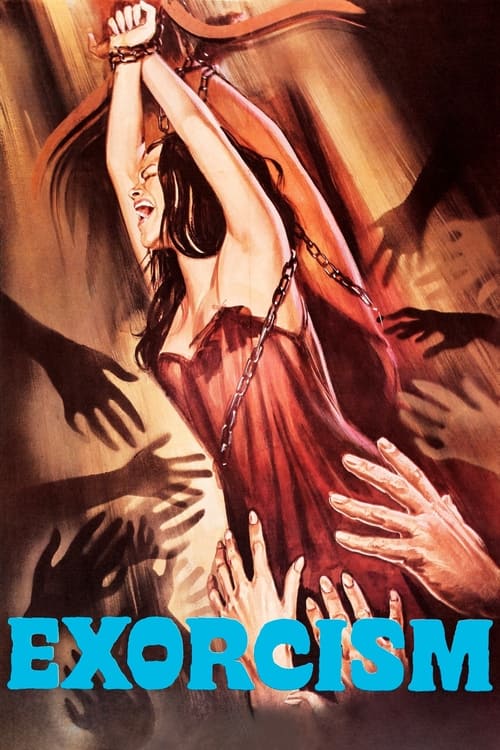
Exorcism
1975
No user ratings available yet
Representation score: 2.9 out of 10

Representation Score
Fair
1973
RDirector
Jesús Franco
Runtime
118 minutes
Average Rating
No ratings yetNew Showbiz Analysis
Jesús Franco’s work prioritizes stylistic subversion and the exploration of taboo subjects over mainstream social hierarchies. The film uses the Inquisition setting to drive a narrative of institutional conflict and bodily horror. While the film centers on female characters facing systemic oppression, it lacks explicit evidence of diverse racial or LGBTQ+ identities. The focus remains heavily on religious deconstruction and the visceral experience of possession. Ultimately, the film functions more as a transgressive genre piece than a study in characters who reflect more than one aspect of diversity, often using vulnerability as a tool for horror spectacle.
Category Breakdown
The film explores themes of repressed desire and bodily autonomy through the lens of possession. While specific LGBTQ+ character arcs are unconfirmed, the genre often uses these clichés to navigate forbidden impulses.
The narrative centers on women facing extreme systemic pressure during the Inquisition. This framing challenges traditional patriarchal stability by positioning female characters as central agents in a high-stakes survival struggle.
The setting suggests a cast reflecting the specific demographic constraints of the Inquisition era. There is no verified evidence of significant racial blending or a non-white majority cast.
The film critiques religious institutions by framing the Church as an instrument of horror and oppression. This deconstructs religious authority by portraying institutional figures as antagonists.
Physical and mental distress are utilized as central components of the horror aesthetic. There is no evidence that neurodivergence or disability is portrayed with ability to act rather than as a spectacle.
Present on Screen
Limited or Absent
Official Synopsis
A group of nuns become possessed by demons and are then tortured in a dungeon of horrors during the Inquisition.
1975
1961
1977

1977
1974
2012

1968
1983
No reviews yet. Be the first to share your thoughts on this movie!
Use the rating form above to leave a star rating and optional review.