Raw: The Curse of Grete Müller
2013
No user ratings available yet
Representation score: 4.2 out of 10
Representation Score
Good
2015
TV-MADirector
Carlos Almón Muñoz
Runtime
94 minutes
Average Rating
No ratings yetNew Showbiz Analysis
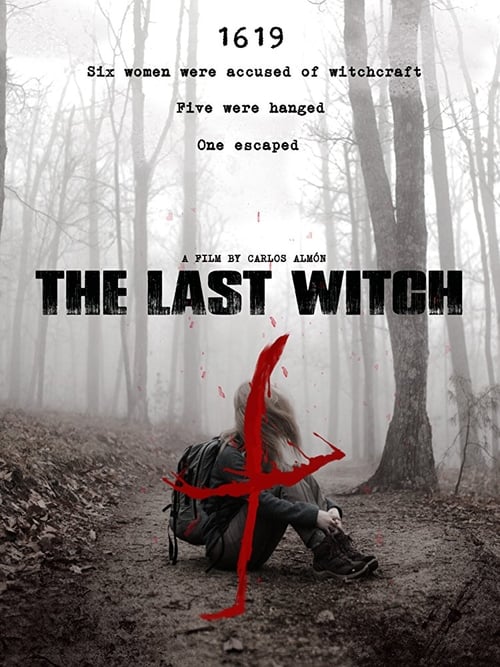
The Last Witch uses a documentary-style framework to examine historical trauma and the judicial persecution of women in 17th-century Spain. Its primary strength lies in centering female survival against systemic oppression, effectively challenging traditional historical narratives. While the film lacks explicit contemporary identity politics or diverse racial casting, it succeeds in deconstructing institutional authority. It reframes historical 'truth' by highlighting the victimization of those deemed outside the social norm. Ultimately, the film functions as a critique of institutionalism, using the historical witch trials to explore themes of power, gender, and the construction of the 'other'.
Category Breakdown
The film doesn't include explicit LGBTQ+ characters or non-cisgender identities. However, the theme of witchcraft can be seen as a metaphor for non-conformity and the policing of social behavior.
The story focuses on women's ability to act and resilience against patriarchal violence. By showing women surviving state-sanctioned executions, it critiques historical structures of masculine authority and institutionalized misogyny.
Set in Terrassa, Spain, the film likely features a predominantly Mediterranean cast. It explores how dominant social groups construct 'otherness' through the lens of historical persecution.
The narrative portrays religious and judicial systems as tools of systemic oppression. It challenges dogmatic morality by depicting the 'witch' as a victim of institutional cruelty rather than a villain.
There is no evidence within the narrative regarding the portrayal of physical or neurodivergent disabilities.
Present on Screen
Limited or Absent
Official Synopsis
Three friends film a documentary about Joanna Toy, a woman convicted of witchcraft 400 years ago in the town of Terrassa, Spain. In 1619, six women were accused of witchcraft. Five were hanged after being tortured, but Joanna Toy escaped.
2013
1922
2015
2020
2011
1996
2008
2024
No reviews yet. Be the first to share your thoughts on this movie!
Use the rating form above to leave a star rating and optional review.