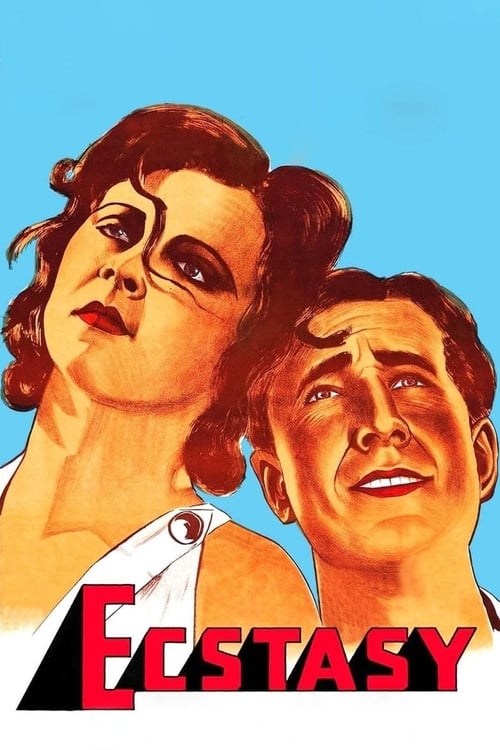
Ecstasy
1933
No user ratings available yet
Diversity score: 3.9 out of 10
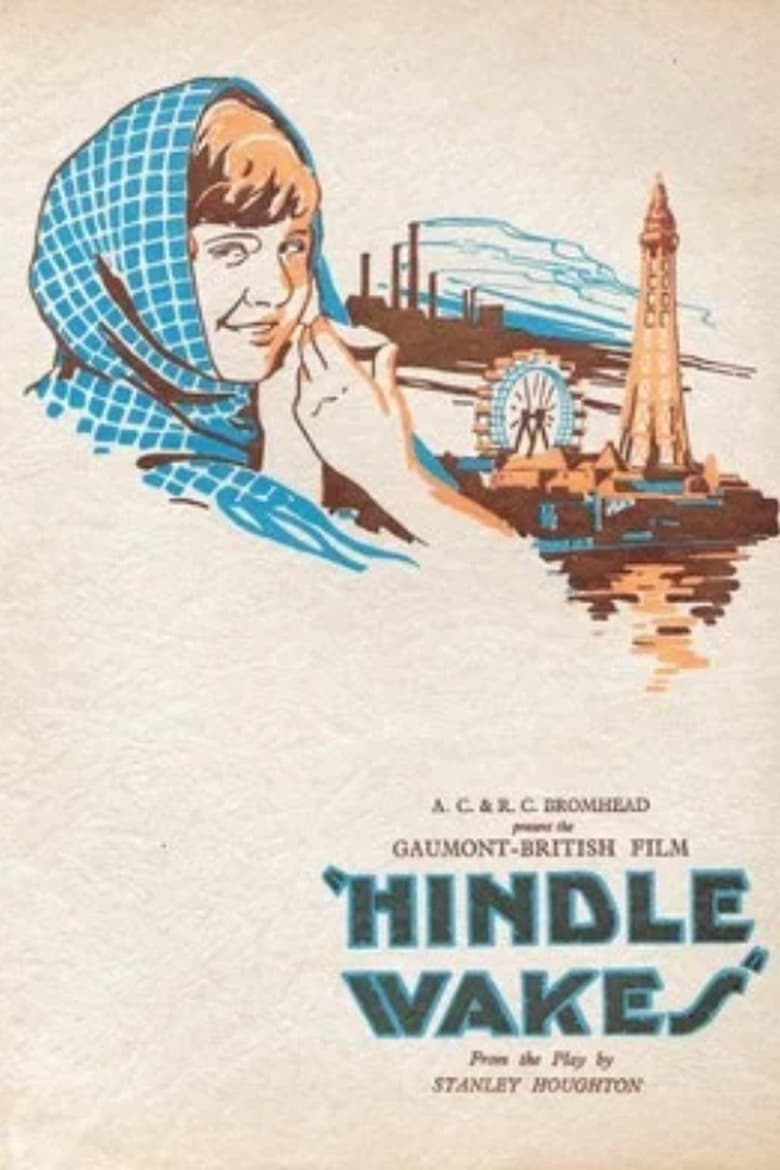
1927
Director
Maurice Elvey
Runtime
120 minutes
Average Rating
No ratings yetSynopsis
A young working-class girl causes a stir when she sneaks off for a romantic getaway with the wealthy heir of the mill where she works.
Overall Score
Fair
Category Breakdown
LGBTQ+ Representation
The story focuses entirely on a heterosexual romance and its consequences. No queer identities or subtext are present in the narrative.
Gender Representation
The film centers on a female protagonist's pursuit of economic and personal autonomy. It rejects traditional tropes of female passivity in favor of the 'New Woman' archetype.
Racial & Ethnic Diversity
The cast appears homogeneous, reflecting the era's lack of racial diversity. There is no evidence of non-Anglo-Saxon representation in this production.
Religious & Cultural Diversity
The narrative critiques rigid moralism and traditional social institutions. It prioritizes individual autonomy over the strict social decorum of the Victorian era.
Disability Representation
No characters with physical or neurodivergent disabilities are featured as central figures. There is no evidence of disability being addressed in the plot.
Strengths
Areas for Improvement
AI Analysis
Hindle Wakes stands out as a progressive social critique for 1927, primarily through its subversion of gendered power dynamics. By centering female agency and economic independence, the film disrupts the era's standard romantic tropes. However, the film lacks modern intersectional breadth. It remains a product of its time, offering almost no representation regarding racial diversity or LGBTQ+ identities. Ultimately, the film's impact is found in its challenge to restrictive social morality and its celebration of the independent woman.
1933
1929
1932
1937

1926
1933
1928
1928
1940
1918
1933
1930
No reviews yet. Be the first to share your thoughts on this movie!
Use the rating form above to leave a star rating and optional review.