Dancing Days
1926
No user ratings available yet
Representation score: 0.8 out of 10
Representation Score
Limited
1928
NRDirector
Harry Beaumont
Runtime
84 minutes
Average Rating
No ratings yetNew Showbiz Analysis
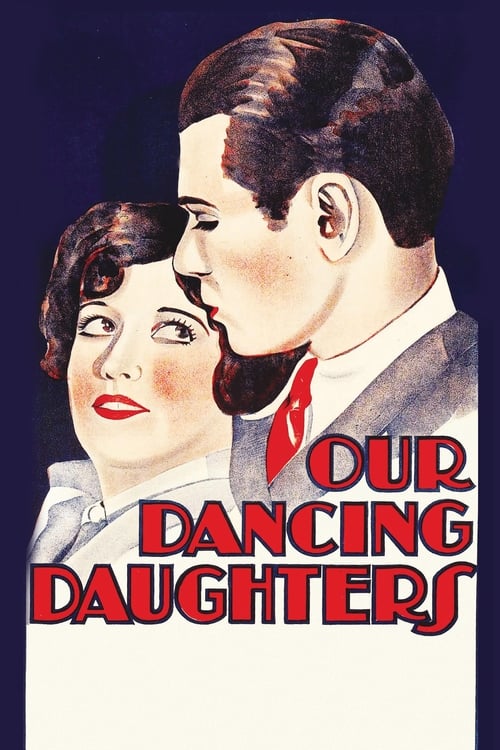
Our Dancing Daughters captures the evolving social norms of the late 1920s by centering the flapper archetype and emphasizing female autonomy. It challenges the traditional Victorian moral framework by showcasing women's independence and social navigation skills. However, the film reflects the limited diversity of its era, lacking racial diversity and any representation of LGBTQ+ identities or non-assuming gender matches what was assigned at birth relationships. It remains a product of a homogeneous and straight-centered cinematic landscape.
Category Breakdown
The film adheres to traditional assumptions about straight relationships and does not include any characters with non-traditional sexual orientations or gender identities.
The film shifts the focus from male-driven action to female-driven social maneuvering, highlighting the autonomy and independence of female characters.
The film depicts a social setting dominated by a predominantly white, upper-middle-class population, reflecting the homogeneous casting practices of the time.
The story emphasizes a modern, secular lifestyle over traditional religious values, focusing on the rebellion against parental authority and the social changes of the Jazz Age.
There is no depiction of characters with disabilities playing significant roles or having ability to act in the plot.
Present on Screen
Limited or Absent
Official Synopsis
A flapper who's secretly a good girl and a gold-digging floozy masquerading as an ingénue both vie for the hand of a millionaire.
1926
1927
1929
1924
1929
1931
1934
1938
No reviews yet. Be the first to share your thoughts on this movie!
Use the rating form above to leave a star rating and optional review.