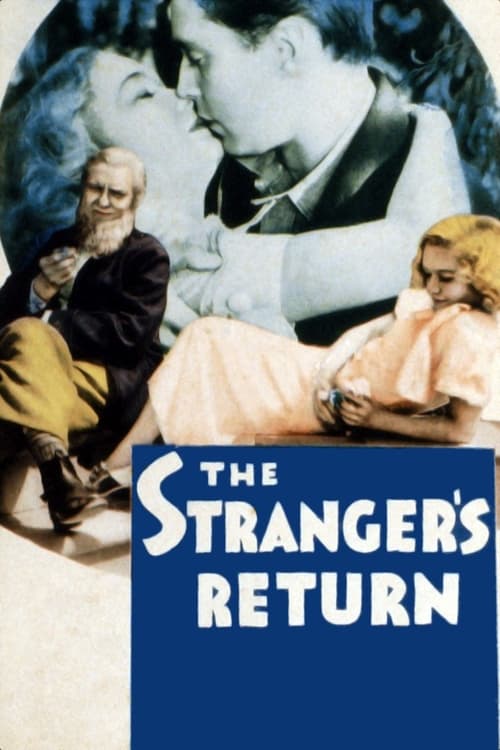
The Stranger's Return
1933
No user ratings available yet
Representation score: 0.4 out of 10
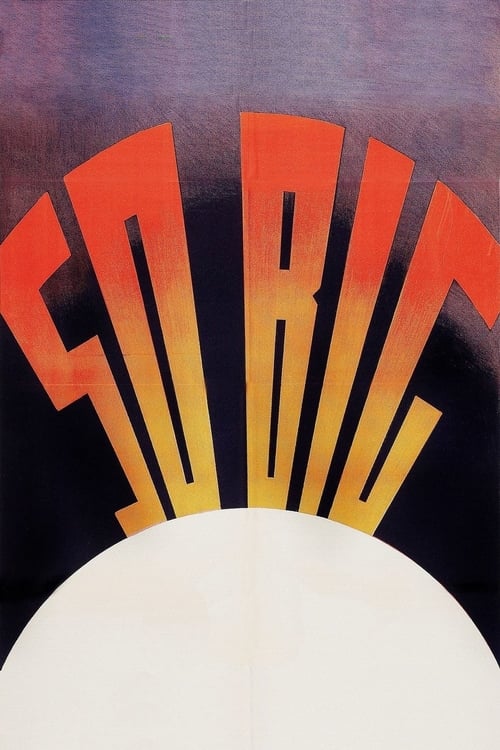
Representation Score
Limited
1932
UnratedDirector
William A. Wellman
Runtime
81 minutes
Average Rating
No ratings yetNew Showbiz Analysis
So Big! is a character-driven film that challenges traditional gender roles. By focusing on a widow who manages land and legacy with independence, the film moves beyond the typical 'damsel' clichés. However, the film is constrained by the casting practices of the early 1930s, which limit its racial and LGBTQ+ representation. Ultimately, the film's strength lies in its thematic exploration of capitalism and materialism.
Category Breakdown
The film follows the social norms of the early 20th century and does not depict any non-traditional gender identities or same-sex relationships.
Selina Peake challenges traditional gender roles by showing significant independence and intellectual strength in a male-dominated environment.
The film features a mostly white cast, reflecting the casting practices of 1932. It does not explore the ethnic complexities of the American Midwest.
The movie critiques the unchecked pursuit of material wealth by contrasting industrial success with humanistic values, emphasizing spiritual fulfillment over material gain.
The film does not include any characters with physical disabilities or neurodivergent conditions.
Present on Screen
Limited or Absent
Official Synopsis
A farmer's widow takes on the land and her late husband's tempestuous son.
1933

1930
1938
1920
1935
1938
1919

1927
No reviews yet. Be the first to share your thoughts on this movie!
Use the rating form above to leave a star rating and optional review.