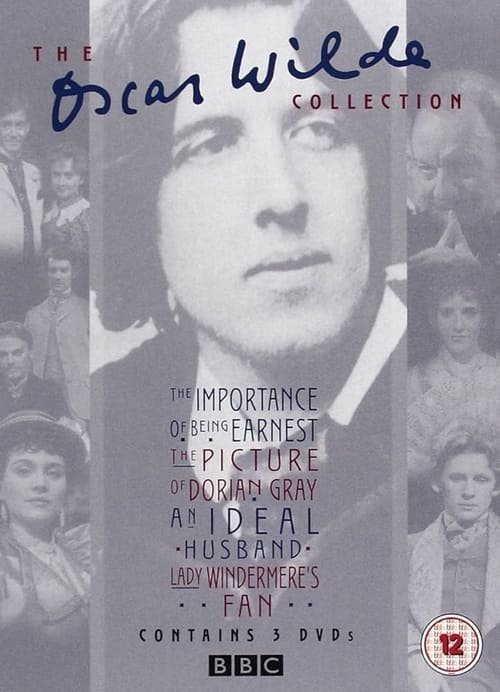
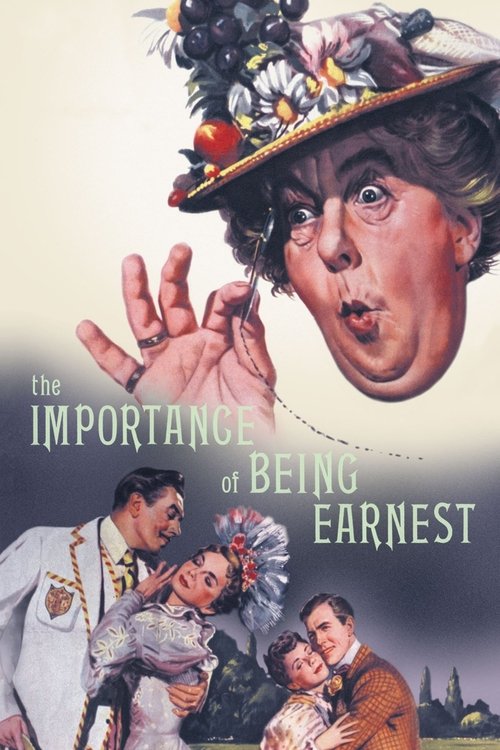
The Importance of Being Earnest
1988
No user ratings available yet
Representation score: 5.5 out of 10
Representation Score
Limited
1952
ApprovedDirector
Anthony Asquith
Runtime
95 minutes
Average Rating
No ratings yetNew Showbiz Analysis
Anthony Asquith’s adaptation emphasizes historical accuracy and theatrical wit over progressive representation. It serves as a period-specific exploration of Victorian social structures, confined by the traditional constraints of its time and source material. The film highlights the intellectual and romantic independence of female characters through comedic subversion, yet it remains rooted in the homogeneity of the late 19th-century social hierarchy. It offers limited disruption to established social norms while critiquing the superficiality of high society. Ultimately, the work upholds the social exclusivity of its setting, offering a nuanced critique of Victorian manners without challenging broader societal hierarchies.
Category Breakdown
The film strictly follows the heterosexual courtship traditions of the 1890s. It does not depict any non-traditional gender identities or same-sex relationships.
Female characters such as Gwendolen and Cecily show strong intellectual and romantic independence. They refuse to be passive recipients of male attention, challenging traditional feminine roles.
The cast is uniform, reflecting the Anglo-Saxon dominance of the Victorian upper class. The film does not include diverse ethnic perspectives or use race-blind casting.
The film satirizes Western social etiquette and class pretensions through humor and irony. It focuses on social propriety and class-based humor without a deeper critique of religion or capitalism.
The film does not feature any significant portrayals of physical or neurodivergent disabilities.
Present on Screen
Limited or Absent
Official Synopsis
Two young gentlemen living in 1890s England use the same pseudonym ('Ernest') on the sly, which is fine until they both fall in love with women using that name, which leads to a comedy of mistaken identities.
1988
1948
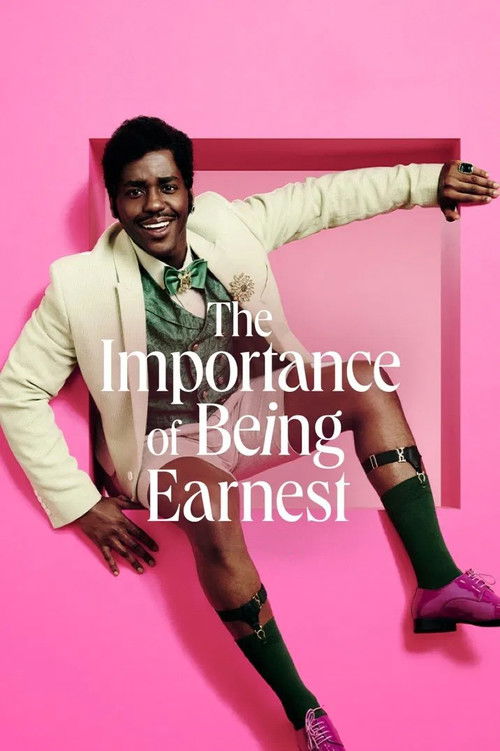
2025
1926
1948
1958
1941

1946
No reviews yet. Be the first to share your thoughts on this movie!
Use the rating form above to leave a star rating and optional review.