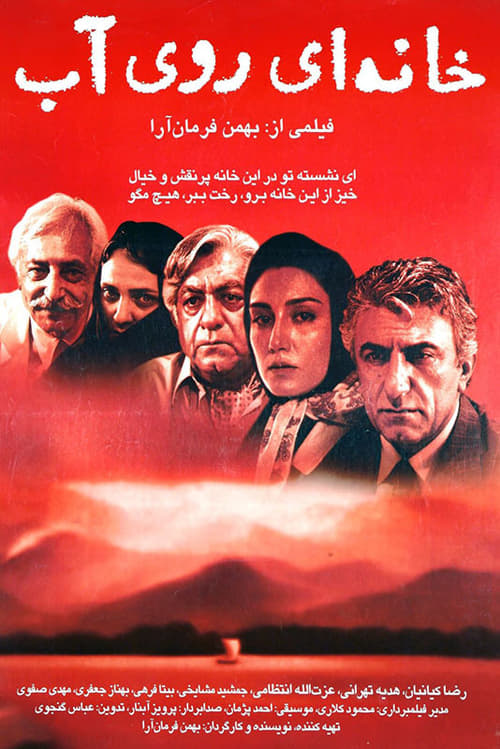
A House Built on Water
2002
No user ratings available yet
Representation score: 6.5 out of 10
Representation Score
Good
2000
Director
Bahman Farmanara
Runtime
93 minutes
Average Rating
No ratings yetNew Showbiz Analysis
Bahman Farmanara’s film is a sophisticated, intellectualized drama that uses subtext to navigate complex social landscapes. It succeeds in providing a deeply authentic Iranian perspective, resisting Western cinematic clichés through its homogeneous cast and localized setting. The work excels at disrupting traditional gender hierarchies by centering female intellectual experiences. It also offers a postmodernist critique of religious and social institutions, favoring subjective morality over rigid dogma. However, the film remains limited by its lack of explicit LGBTQ+ representation and its use of physical illness primarily as a metaphor for death rather than a nuanced study of disability.
Category Breakdown
The film doesn't include any explicit LGBTQ+ characters or identities. It focuses on existential struggles within a traditional social framework, offering no queer visibility.
The film challenges patriarchal norms by emphasizing the inner life of a woman. It centers on her psychological journey and intellectual growth, moving beyond passive background roles.
An entirely Iranian cast and crew provides a culturally authentic depiction of Tehran. This non-Western perspective resists the Western gaze through a localized exploration of identity.
The narrative challenges religious dogma by prioritizing secular, existentialist thought. It critiques static traditions through the protagonist's struggle with memory and a changing social landscape.
Physical frailty and heart disease serve as metaphors for mortality. These medical conditions function as plot devices rather than character-driven explorations of disability.
Present on Screen
Limited or Absent
Official Synopsis
Death surrounds Bahman, a director who hasn't made a film in 24 years (he can't get past the censors). He's working on a documentary, for Japanese TV, on Iranian burial practices. On the anniversary of his wife's death, a hitchhiker tells him a story of spousal abuse and infant mortality, he discovers that someone has been buried in his plot next to his wife, and he needs the help of his attorney, a well-connected fixer. He dreams of death, even as he investigates it for his film. His niece's husband, a well-known writer, fails to return home; he searches hospitals for an unclaimed body. His heart disease is flaring up. Is he prepared for death? Is that all that's left?
2002

2005

1997

1983
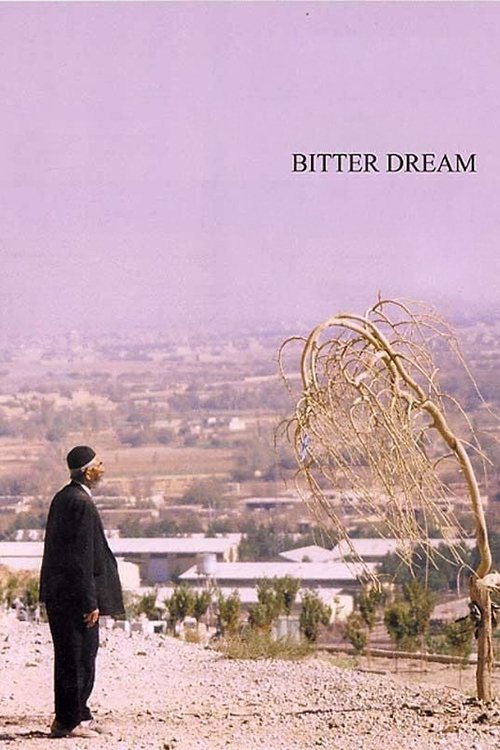
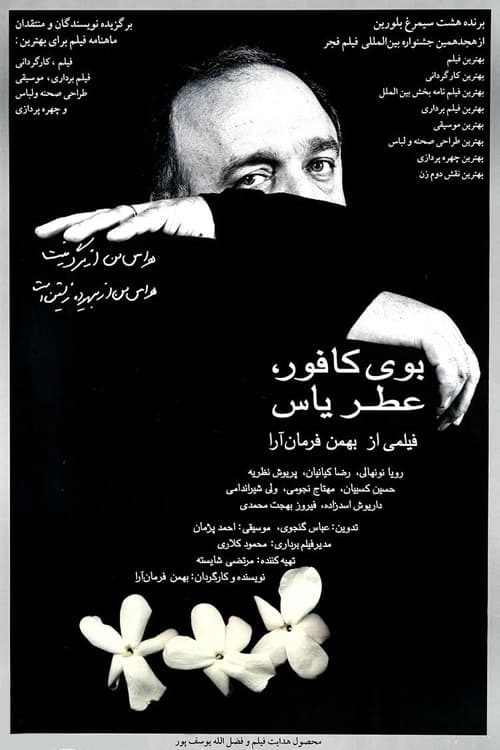
2005
2013
1992
1990
No reviews yet. Be the first to share your thoughts on this movie!
Use the rating form above to leave a star rating and optional review.