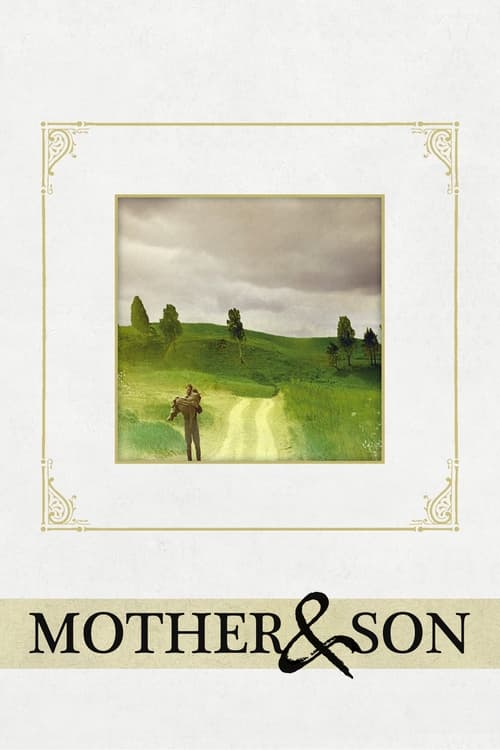
Mother and Son
1997
No user ratings available yet
Representation score: 4.8 out of 10
Representation Score
Fair
1990
Director
Aleksandr Sokurov
Runtime
92 minutes
Average Rating
No ratings yetNew Showbiz Analysis
Aleksandr Sokurov’s film is a transcendental meditation on mortality that prioritizes atmosphere over linear plot. Using a dreamlike structure, it critiques the erosion of spirituality in a secularized world. The film’s strength lies in its deconstruction of traditional social and religious institutions through a unique narrative structure. It offers a profound, non-linear critique of modern materialism and spiritual erosion. Ultimately, the work frames the details of death as a site of profound spiritual crisis, favoring a subjective exploration of the human condition over rigid dramatic hierarchies.
Category Breakdown
The film operates in a dreamlike realm where traditional identity markers are blurred. Though there are no explicit LGBTQ narratives, the abstract setting allows for a subtle departure from conventional social structures.
The story centers on the protagonist's inner thoughts rather than reinforcing traditional gender roles. It avoids clichés of masculine leadership or domestic stability, offering a nuanced, existential look at grief.
The film examines a culturally specific society undergoing major systemic changes. It lacks diverse ethnic representation, focusing instead on critiquing a homogeneous culture that has lost its spiritual foundation.
The work excels in critiquing modern institutional frameworks and materialistic structures. It prioritizes personal morality and existential truth over organized religion, framing the loss of spirituality as a systemic issue.
There is no information regarding the portrayal of physical or neurodivergent disabilities. The focus remains on the metaphysical state of the soul rather than physical or cognitive differences.
Present on Screen
Limited or Absent
Official Synopsis
A man tries to come to terms with his father's death and to deal with the mundane details of his burial in a society cut off from spirituality.
1997
1985
1994

1995
2000
2013

2010
1989
No reviews yet. Be the first to share your thoughts on this movie!
Use the rating form above to leave a star rating and optional review.