Rahman 1400
2019
No user ratings available yet
Representation score: 8.3 out of 10
Representation Score
Excellent
2005
Director
Mohsen Amiryoussefi
Runtime
87 minutes
Average Rating
No ratings yetNew Showbiz Analysis
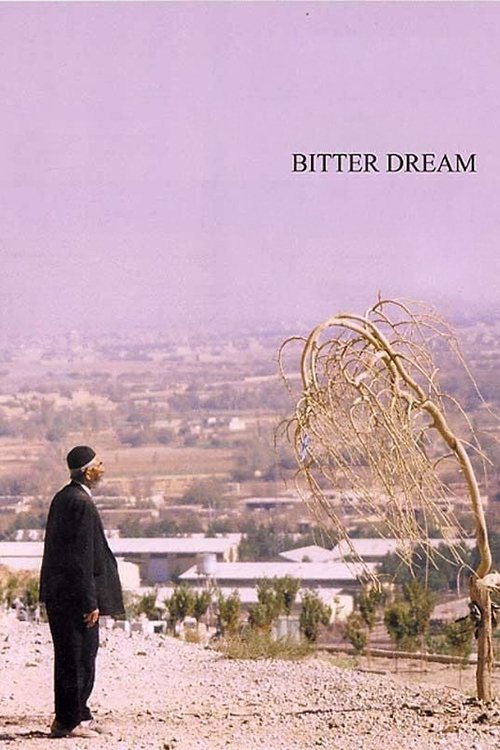
Bitter Dream is a contemplative Iranian character study that shifts the focus from traditional heroism to existential vulnerability. By centering on a man who prepares the dead, the film explores the intersection of professional duty and personal mortality. The film succeeds in providing a non-Western perspective, offering a cultural framework that challenges mainstream cinematic norms. Its strength lies in its ability to deconstruct traditional masculine archetypes through the protagonist's sudden illness. However, the narrative remains somewhat opaque regarding specific identities. While it avoids many commercial clichés, there is little evidence of explicit LGBTQ+ representation or nuanced disability ability to act beyond the central plot catalyst.
Category Breakdown
The film does not delve into LGBTQ+ identities or romantic subplots. Instead, it centers on an existential journey that avoids typical heterosexual relationship narratives.
The main character is a male protagonist who challenges traditional masculine stereotypes. His confrontation with his own vulnerabilities breaks down the image of an unbreakable, strong male leader.
This Iranian production provides a unique non-Western viewpoint. It challenges the dominance of Western cinema by emphasizing local cultural and professional experiences.
The film examines mortality through a philosophical, existential lens rather than a religious one. It prioritizes personal moral choices over institutional religious doctrines.
The storyline revolves around the protagonist's sudden illness and physical vulnerability. Whether this illness is portrayed as having ability to act or merely as a plot device determines the depth of its representation.
Present on Screen
Limited or Absent
Official Synopsis
For forty years, Esfandiar has been unconcernedly preparing corpses for the journey to their final resting place. One day, whilst preparing a burial service, he's taken ill. Might he too be mortal?
2019
2018
2019

2024

2022

2024
2000

2017
No reviews yet. Be the first to share your thoughts on this movie!
Use the rating form above to leave a star rating and optional review.