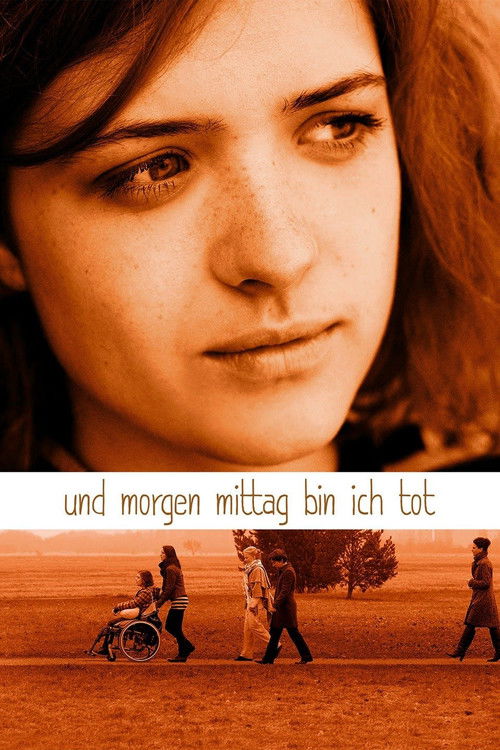
Zurich
2014
No user ratings available yet
Representation score: 7.4 out of 10

Representation Score
Good
2005
UnratedDirector
François Ozon
Runtime
78 minutes
Average Rating
No ratings yetNew Showbiz Analysis
François Ozon’s drama succeeds as a nuanced study of human autonomy and the breakdown of social facades. By centering on a protagonist managing his own terminal decline, the film challenges the cliché of the passive victim, offering a sophisticated look at individual autonomy. However, the film's scope is limited by its demographic focus. The narrative structure prioritizes psychological and class-based tensions over racial or ethnic diversity, resulting in a relatively homogeneous social environment. Ultimately, the work excels in its deconstruction of moral and social norms. It replaces traditional sentimentalism with a gritty, existential honesty regarding mortality and the rejection of polite social etiquette.
Category Breakdown
The film explores fluid social identities and ambiguous interpersonal tensions. While it doesn't show explicit same-sex intimacy, it challenges the assumption that everyone is straight or cisgender through its subtle approach to relationships.
Female characters play a significant role in driving the story and have substantial psychological ability to act. The film avoids traditional domestic clichés, opting instead for a fragmented and realistic portrayal of social dynamics.
The narrative focuses on a relatively homogeneous social group within a European seaside setting. It prioritizes class and interpersonal psychology over racial or ethnic diversity.
The story prioritizes secular, individualistic perspectives over religious frameworks. It critiques institutionalized life-preservation by centering on a protagonist who chooses a controlled, solitary death.
The portrayal of terminal illness focuses on the protagonist's ability to make his own choices rather than inspiring others. Romain's condition is treated as a driver of his own autonomy.
Present on Screen
Limited or Absent
Official Synopsis
Romain, 31, a fashion photographer with terminal cancer, elects to die alone, preparing others to live past him rather than prolong the inevitable with chemotherapy or be smothered in sympathy by those who know him.
2014

2021

2016

2001
2014

2009

2021
2009
No reviews yet. Be the first to share your thoughts on this movie!
Use the rating form above to leave a star rating and optional review.