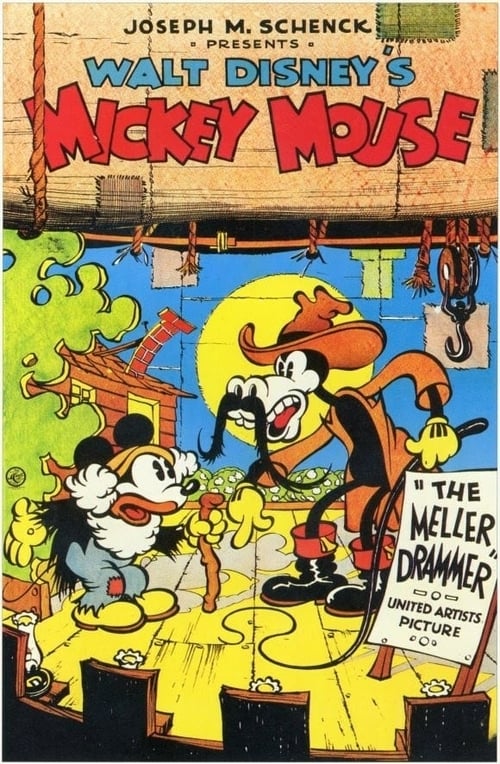
Mickey's Mellerdrammer
1933
No user ratings available yet
Diversity score: 1.4 out of 10
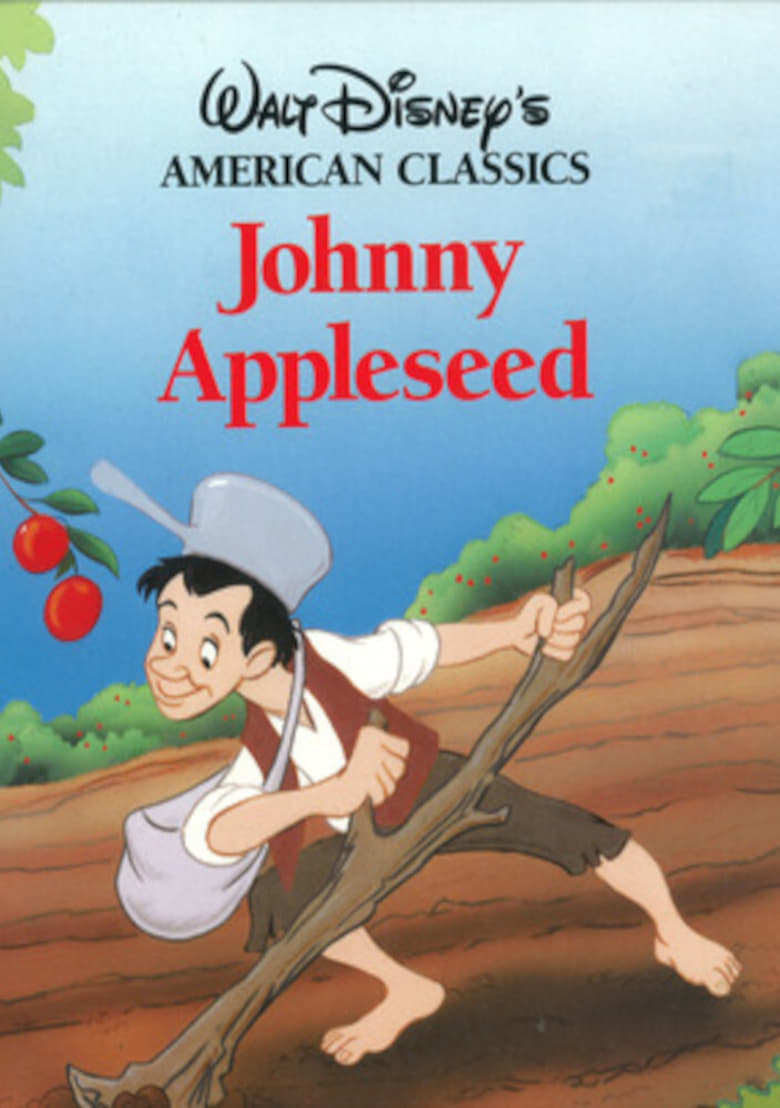
1948
NRDirector
Wilfred Jackson
Runtime
19 minutes
Average Rating
No ratings yetSynopsis
Dennis Day tells the story of Johnny Appleseed (John Chapman), narrated by The Old Settler. He's an apple farmer who sees people going west and thinks he can't join them, until an angel appears to him and sings the virtues of apples, convincing Johnny he has a mission. He sets off without a knife or gun; at first, the animals mistrust him, but when he even treats a skunk kindly, they all take to him.
Overall Score
Limited
Category Breakdown
LGBTQ+ Representation
The film lacks LGBTQ+ characters or narratives that challenge heteronormativity. The story focuses entirely on a singular protagonist following a traditional divine mission.
Gender Representation
The narrative centers on a male protagonist driven by a divine encounter. There is a notable absence of female agency or complex female characters.
Racial & Ethnic Diversity
Set during westward expansion, the film reflects the homogeneous demographic norms of the 1940s. It provides no indication of a diverse or non-Anglo-Saxon cast.
Religious & Cultural Diversity
The story relies on Western religious motifs, using an angel to provide moral direction. This reinforces a singular, providential worldview centered on traditionalist values.
Disability Representation
There is no evidence of physical or neurodivergent disabilities being portrayed in this animation.
Strengths
Areas for Improvement
AI Analysis
The film is a product of the Golden Age of animation, adhering to classical storytelling archetypes and established moral frameworks. It prioritizes a singular, heroic journey guided by religious authority rather than exploring intersectional complexity. The narrative structure reinforces mid-century American values through a traditionalist lens. By focusing on a male missionary figure and a providential mission, the work avoids disrupting conventional social hierarchies or exploring diverse perspectives. Ultimately, the film functions as a straightforward moral fable. It lacks the representation of marginalized groups or non-traditional identities necessary to move beyond its era's demographic norms.
1933
1951
1956
1957
1975
1939
1946
1935
1934
1945
1952
1961
No reviews yet. Be the first to share your thoughts on this movie!
Use the rating form above to leave a star rating and optional review.