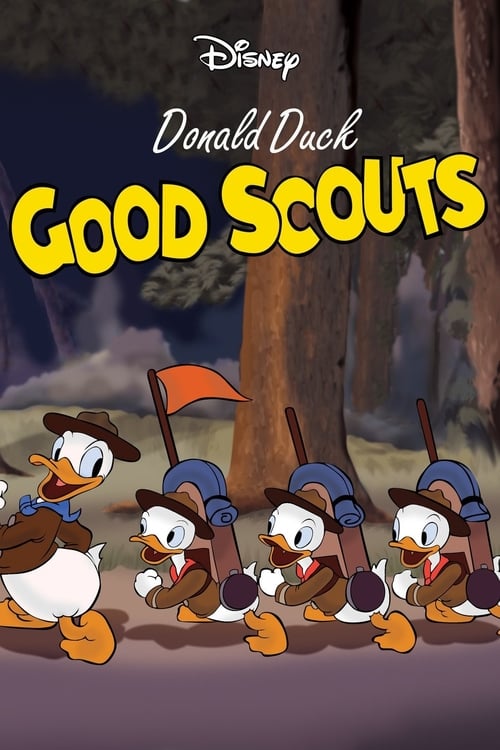
Good Scouts
1938
No user ratings available yet
Representation score: 1.6 out of 10
Representation Score
Minimal
1946
NRDirector
Jack King
Runtime
6 minutes
Average Rating
No ratings yetNew Showbiz Analysis
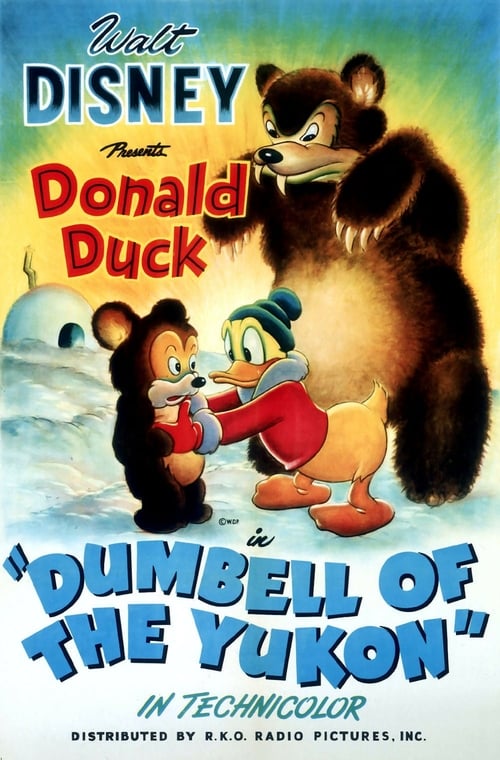
Dumb Bell of the Yukon is a typical piece of mid-century animation that emphasizes physical comedy over social or cultural commentary. The narrative revolves around the 'trickster' cliché, where a character tries to steal a bear cub for a fur coat. Since the film focuses on animal characters in a wilderness setting, it avoids human social structures. This absence of human interaction means the story does not engage with overlapping identities or broader societal issues. Overall, the short serves as straightforward entertainment, reflecting the era's emphasis on physical comedy rather than challenging traditional social norms.
Category Breakdown
The film does not include any LGBTQ+ themes or non-binary gender identities. The main character and animal companions do not explore these topics.
Gender roles are not challenged significantly, as the anthropomorphic characters do not have complex social identities. The story focuses on traditional goals like acquiring material goods.
The Yukon setting is populated by personified animals rather than humans, avoiding the racial or ethnic complexities of the region.
The story follows conventional mid-century storytelling without critiquing Western institutions. The moral framework is based on situational humor rather than cultural exploration.
There are no visible or invisible disabilities shown. Characters are defined solely by their physical abilities and comedic actions.
Present on Screen
Limited or Absent
Official Synopsis
A snowy scene; Daisy would like a fur coat, so Donald filches a baby bear from its sleeping mother. But the mother awakens and tracks Donald (and her baby) down. Donald uses his own fur coat to disguise himself as a bear cub. The real cub returns, and Donald looks like he might be in trouble, but a jar of honey turns him into the bear's best friend instead.
1938
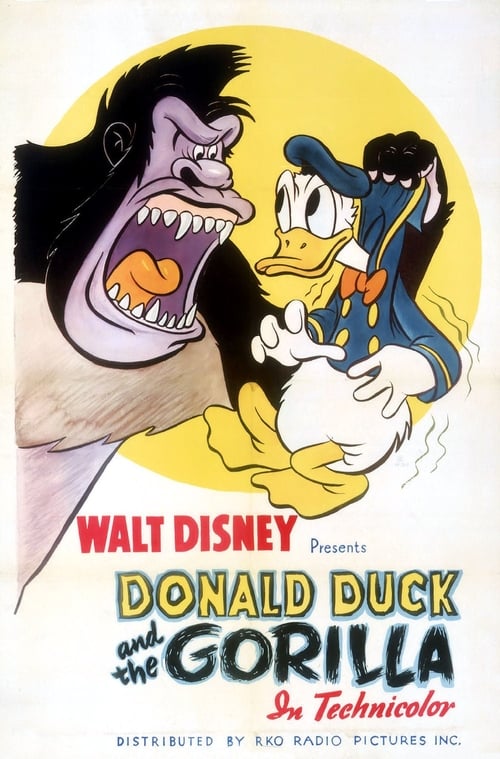
1944
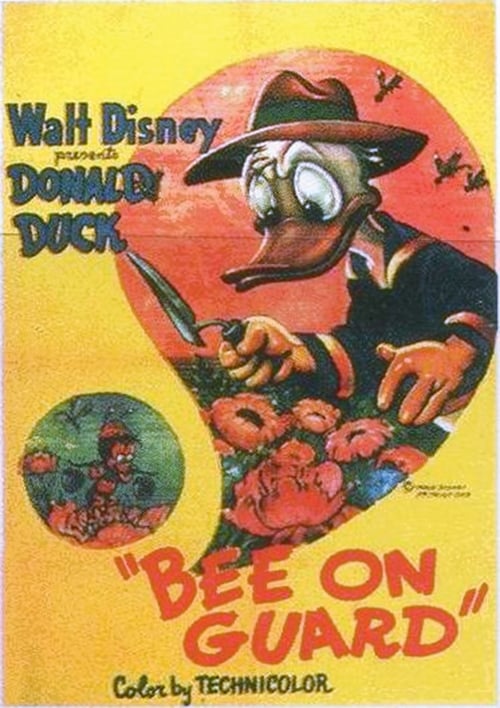
1951
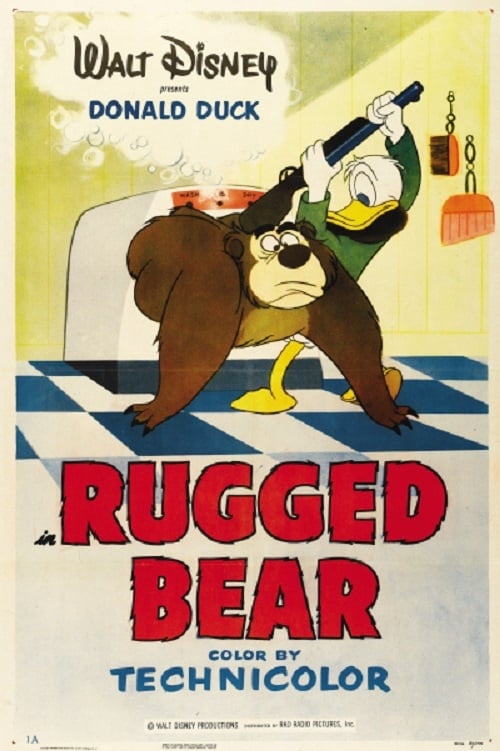
1953
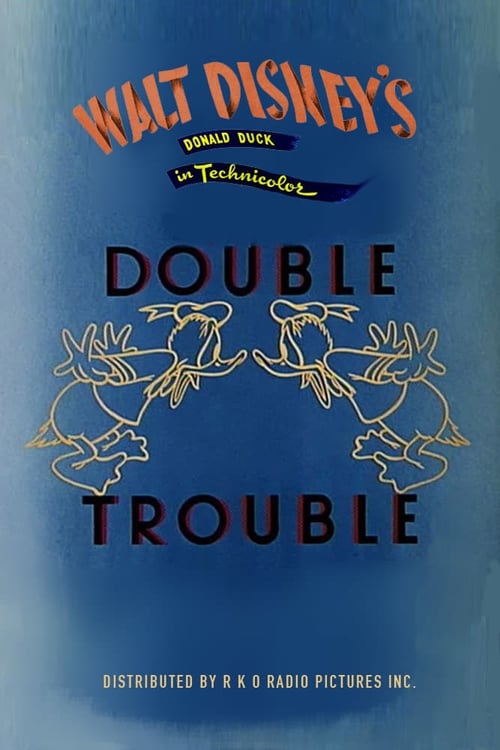
1946
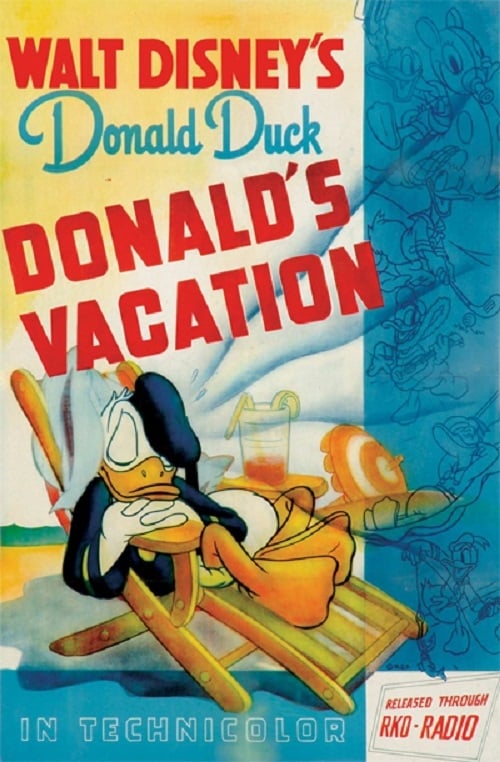
1940
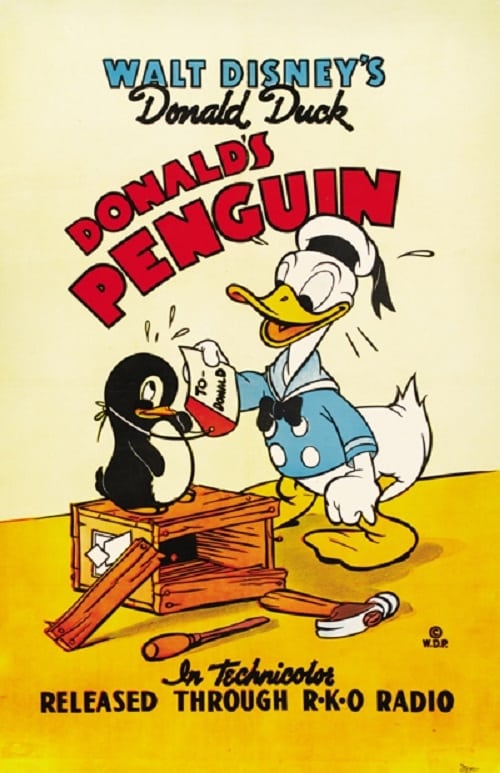
1939
1938
No reviews yet. Be the first to share your thoughts on this movie!
Use the rating form above to leave a star rating and optional review.