The Little Lost Sheep
1939
No user ratings available yet
Representation score: 1.2 out of 10
Representation Score
Minimal
1939
ApprovedDirector
Connie Rasinski, Mannie Davis
Runtime
7 minutes
Average Rating
No ratings yetNew Showbiz Analysis
Sheep in the Meadow is a traditional fable that aligns with the conventions of its time. The story focuses on archetypal conflicts and conventional morality, avoiding any engagement with multi-layered identities. The narrative structure centers around a standard hero-versus-villain dynamic. This emphasis on moralistic storytelling means the film does not attempt to challenge social norms or explore complex social hierarchies. Ultimately, the film offers a homogeneous viewing experience. It lacks representation across most modern diversity metrics, sticking to the safe, predictable clichés of 1930s animation.
Category Breakdown
The film does not include any characters with non-binary gender identities or same-sex relationships. The story's predator-prey structure does not provide a framework for exploring LGBTQ themes.
The story relies on traditional character types such as heroes and villains. Although specific genders are not detailed, the film adheres to the era's conventions without challenging gender hierarchies.
Set in a pastoral meadow with anthropomorphic animals, the film does not feature any indication of diverse casting. The setting suggests a story intended for a homogeneous audience.
The plot follows a conventional Western 'good vs. evil' storyline. It upholds traditional notions of justice and heroism without questioning them through moral relativism.
There is no evidence of characters with visible or invisible disabilities. The narrative does not address neurodivergence or physical impairments.
Present on Screen
Limited or Absent
Official Synopsis
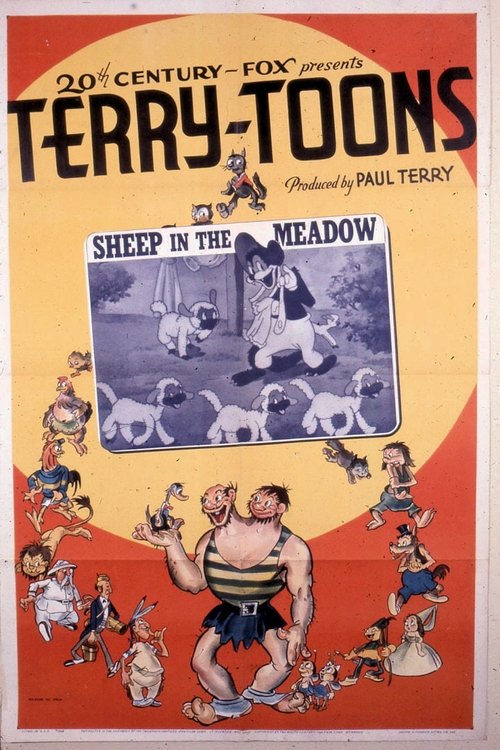
The sheep are gazing in a rustic little meadow and their herder falls asleep. The wolf sneaks up, steals his horn and lures the sheep to his place, but they escape. But the wolf captures Mary's pet lamb...and eats it. No, that's another story. He has the lamb in his stew-pot and the hero rescues it.
1939
1944
1963
1947
1950
1962
1936
1939
No reviews yet. Be the first to share your thoughts on this movie!
Use the rating form above to leave a star rating and optional review.