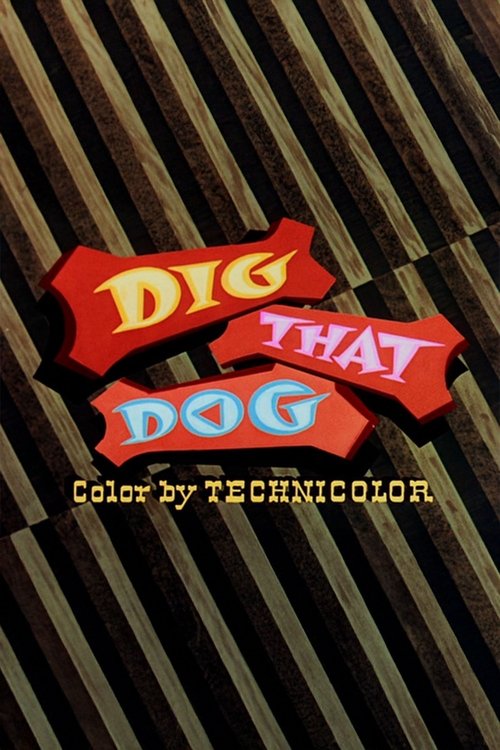
Dig That Dog
1954
No user ratings available yet
Representation score: 1.1 out of 10
Representation Score
Minimal
1956
ApprovedDirector
Alex Lovy
Runtime
6 minutes
Average Rating
No ratings yetNew Showbiz Analysis
The film is a quintessential product of its era, using a cautionary tale structure to reinforce mid-century social norms. The narrative focuses on individual morality and the dangers of greed, rather than exploring systemic issues or diverse perspectives. Character dynamics adhere strictly to traditional archetypes of 1950s animation. The lack of diverse representation keeps the story within a narrow cultural scope. Ultimately, the work serves as a moralistic fable that upholds conventional Western values, lacking the intentionality needed to provide a broader spectrum of human experience.
Category Breakdown
The story focuses solely on a family unit where everyone conforms to traditional gender roles. There are no characters who identify as LGBTQ+, nor is there any critique of traditional gender structures.
Gender roles in the film follow 1950s conventions. Maggie acts as the cautious stabilizer within the home, while Sam drives the plot through his external actions.
The narrative centers on a homogeneous domestic experience with no indication of racial diversity or casting actors from different backgrounds.
The film reinforces traditional Western values related to homeownership and financial responsibility. It functions as a moralistic fable that upholds conventional social stability.
The film contains no characters with visible or invisible disabilities. There is no representation of neurodivergent experiences within the story.
Present on Screen
Limited or Absent
Official Synopsis
Maggie and Sam finally save enough money to pay off their home mortgage, and Maggie warns Sam to be careful on his trip to the bank. On the way, Sam meets a shady character who tempts him with schemes to part him from his cash. Sam refuses them all until he is offered a talking dog. Believing a talking dog will make them rich, Sam buys it. After many rejections, he finally lands the dog a theater booking. Before the dog can perform, a cat appears and ruins the act. Maggie and Sam lose their home, and Sam ends up literally in the doghouse, sharing it with the talking dog.
1954
1959
1938

1945
1955
1947
1950
1951
No reviews yet. Be the first to share your thoughts on this movie!
Use the rating form above to leave a star rating and optional review.