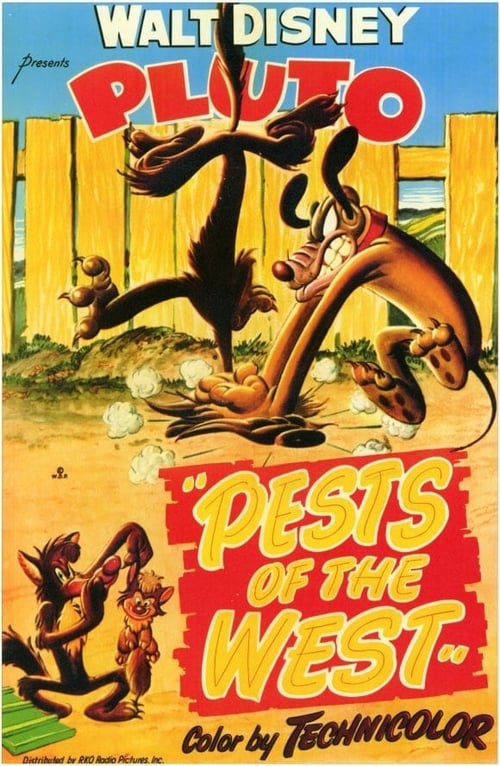
Pests of the West
1950
No user ratings available yet
Diversity score: 2.0 out of 10
1961
NRDirector
Charles August Nichols
Runtime
13 minutes
Average Rating
No ratings yetSynopsis
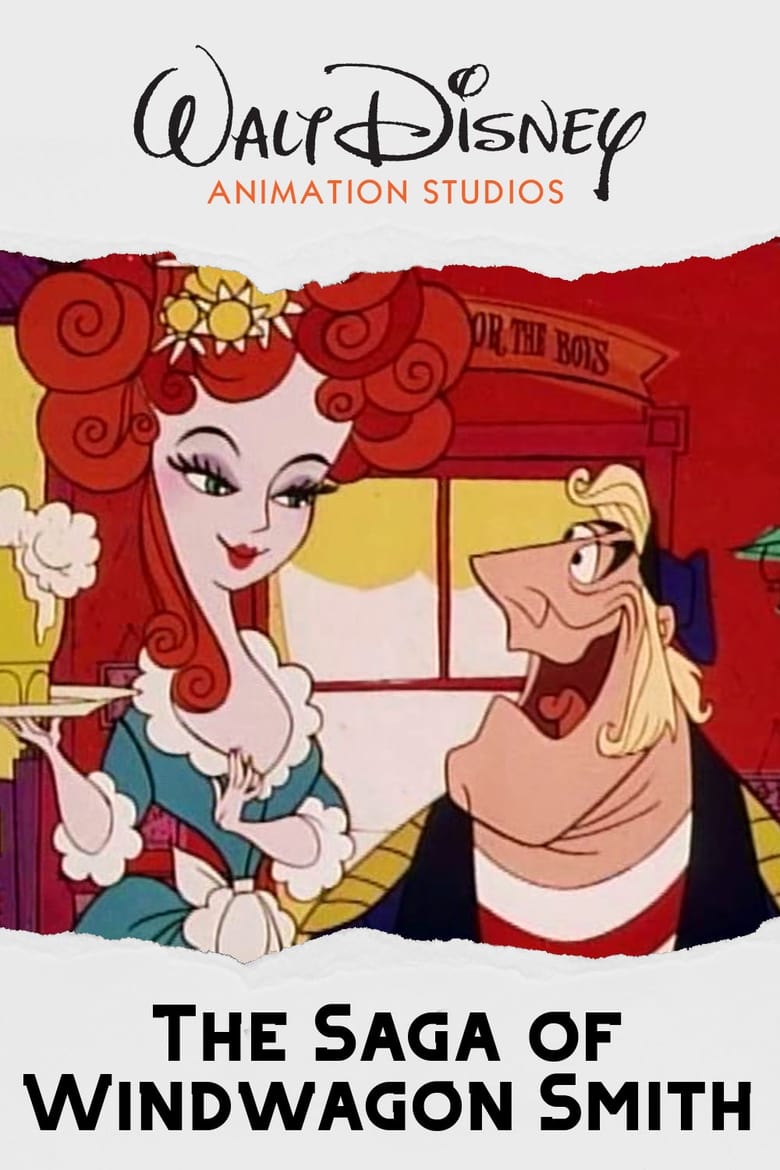
Sea Captain Windwagon Smith hits Westport, Kansas, the starting point of the old Oregon and Santa Fe Trails, and is quickly the laughing stock of the town; instead of traveling in the usual oxen-drawn covered wagon, he is at the helm and wheel of a Contestoga-type wagon with a full set of sails. He plans to go to Oregon by taking advantage of the prairie winds. First, he wins over the town mayor, falls in love with the mayor's beautiful daughter, Molly Crum, and then secures financial backing from the townspeople. He sets sail across the plains, with Molly Crum as a covered-wagon stowaway, and a Kansas twister looming on the horizon. And, then, the wind hits the sails. And the fan, too, if he had had one.
Overall Score
Minimal
Category Breakdown
LGBTQ+ Representation
The story follows a conventional romantic trajectory between the protagonist and the mayor's daughter. It lacks any depiction of non-cisnormative identities or narratives that challenge heteronormativity.
Gender Representation
Gender roles are strictly traditional, with the female lead serving primarily as a romantic interest. Molly Crum lacks independent agency, acting mostly as a stowaway to support the male lead's journey.
Racial & Ethnic Diversity
The setting suggests a focus on Western expansionism and settler culture. The narrative appears to center on a homogeneous, Anglo-centric experience of the American frontier.
Religious & Cultural Diversity
The film celebrates traditional American frontier themes and individualist achievement. It reinforces capitalist and patriotic values without offering any critique of Western institutions.
Disability Representation
There are no visible or invisible disabilities depicted within the character arcs or the central plot.
Strengths
Areas for Improvement
AI Analysis
The film functions as a standard mid-century adventure tale that adheres to the social and cultural hierarchies of 1961. It relies heavily on established Western tropes and traditional romantic structures. Narrative agency is largely concentrated in the male protagonist, while female and minority perspectives are absent or relegated to supporting roles. The story reinforces the era's status quo rather than subverting it. Ultimately, the work serves as a period-typical depiction of American expansionism, focusing on individual success and conventional social norms.
1950
1950
1950
1947
1954
1948
1935
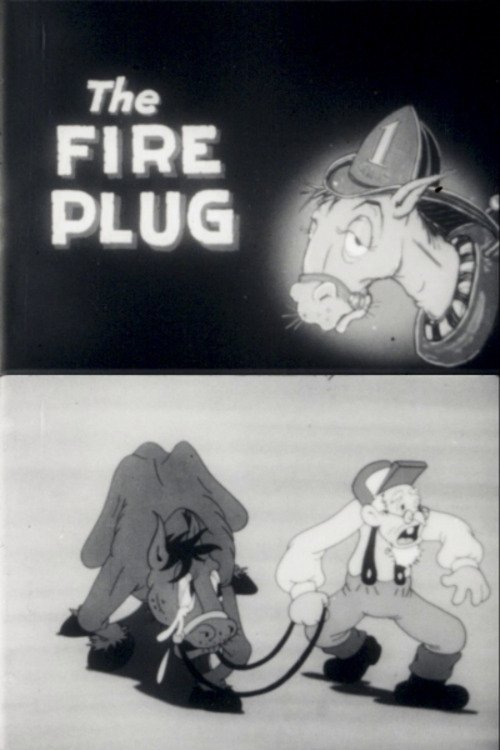
1937
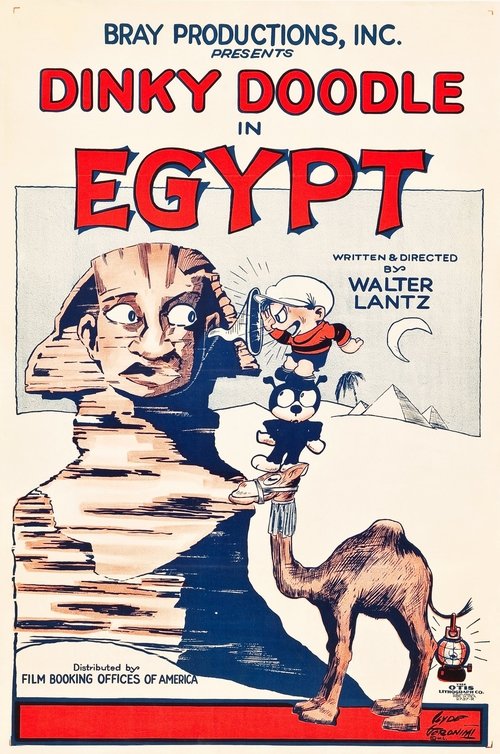
1926
1957
1940
1956
No reviews yet. Be the first to share your thoughts on this movie!
Use the rating form above to leave a star rating and optional review.