Much Ado About Mutton
1947
No user ratings available yet
Diversity score: 2.2 out of 10
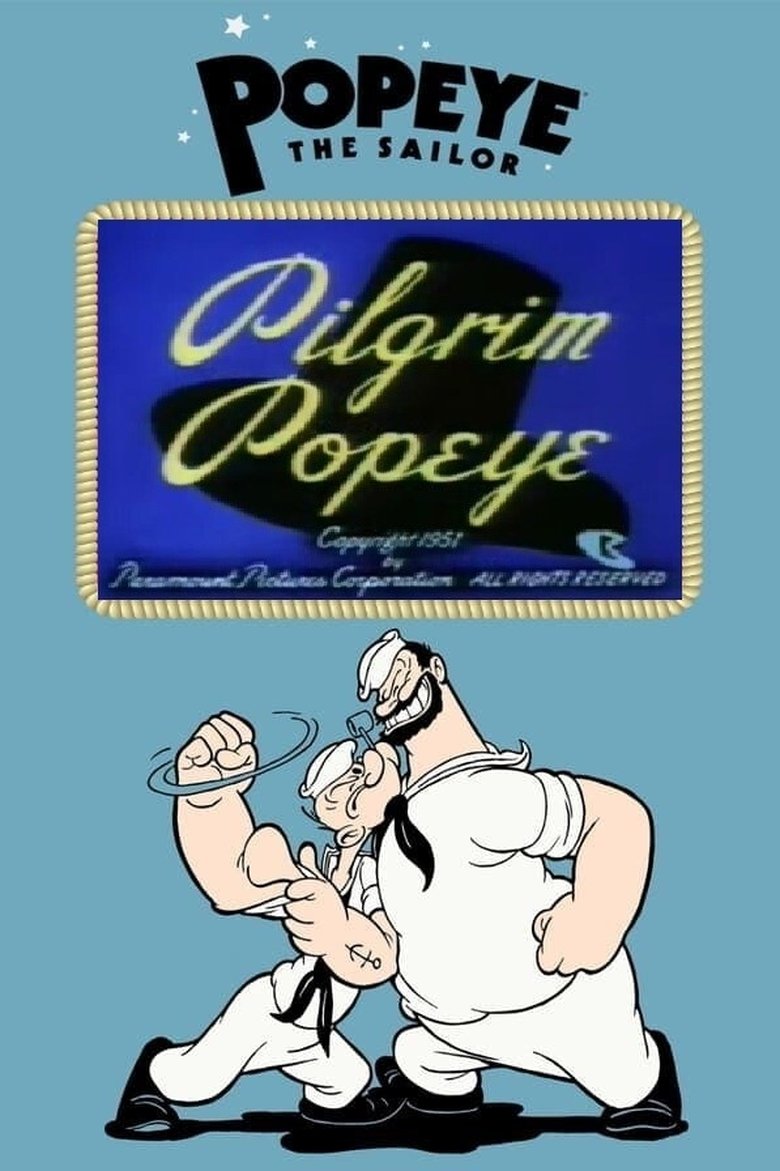
1951
TV-PGDirector
Izzy Sparber
Runtime
7 minutes
Average Rating
No ratings yetSynopsis
Popeye's been feeding a turkey in his backyard; it's Thanksgiving day, and his (3) nephews are all set to turn the turkey into the main course. But Popeye can't bring himself to do the deed, so he tells them a story about the time he was a pilgrim and a turkey saved his life. Popeye is hunting the turkey, which keeps outsmarting him; he finally corners the bird, which gives him a sob story about being too scrawny to eat. Popeye gives him some spinach, but before the bird can eat it, Popeye is captured by Indians. They tie him to a stake. The turkey, watching, remembers the spinach, which turns the turkey into an eagle. He swoops down, carries off the first batch of Indians and throws them into a mountain; he turns another batch into a totem pole. Popeye finishes his story and sees the boys missing; dinner time! They prepare to serve the turkey his big plate of spinach.
Overall Score
Minimal
Category Breakdown
LGBTQ+ Representation
The film lacks LGBTQ+ characters or any exploration of non-heteronormative identities. The story focuses entirely on a traditional family dynamic between Popeye and his nephews.
Gender Representation
The narrative reinforces mid-century masculine archetypes through characters focused on hunting and storytelling. It offers no subversion of gender hierarchies, centering on paternal guidance and physical strength.
Racial & Ethnic Diversity
Indigenous characters are used as reductive, antagonistic plot devices. They function as obstacles to the protagonist rather than individuals with agency, relying on stylized tropes common to the era.
Religious & Cultural Diversity
The film utilizes Western pilgrim myths through a lens of moral relativism. It prioritizes Western storytelling structures and uses supernatural intervention to resolve conflicts involving indigenous groups.
Disability Representation
There are no visible or invisible disabilities portrayed with agency. No characters are depicted with disabilities that serve as central narrative elements.
Strengths
Areas for Improvement
AI Analysis
This 1951 animated short is a product of its era, leaning heavily on established cinematic conventions and traditional social hierarchies. The narrative structure prioritizes spectacle and folklore over nuanced character development or progressive representation. While the film explores empathy through the relationship between Popeye and the turkey, this thematic depth does not extend to the human characters. The portrayal of indigenous people remains rooted in reductive, antagonistic tropes that serve the protagonist's journey. Ultimately, the film functions within a conventional framework that lacks intersectional depth. It reinforces mid-century gender roles and historical stereotypes rather than challenging them.
1947
1950
1956
1952
1957
1956
1950
1939
1948
1955
1947
1933
No reviews yet. Be the first to share your thoughts on this movie!
Use the rating form above to leave a star rating and optional review.