
Breaking the Waves
1996
No user ratings available yet
Representation score: 5.4 out of 10
Representation Score
Good
1997
RDirector
Gillian Armstrong
Runtime
132 minutes
Average Rating
No ratings yetNew Showbiz Analysis
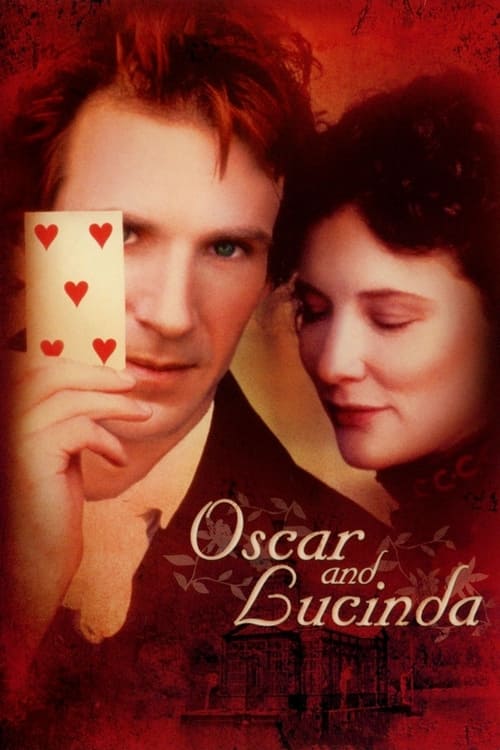
Gillian Armstrong’s direction provides a sophisticated look at how individuals navigate restrictive social and religious structures. The film's greatest strength lies in its portrayal of a female lead with remarkable autonomy and economic power, challenging traditional gender roles. However, the film remains anchored in a colonial framework that limits racial diversity. While it critiques the institutions of the era, Indigenous perspectives are filtered through the dominant European narrative. Ultimately, the film is a character study of obsession, succeeding in challenging traditional morality and gender expectations, even while operating within a largely straight and colonial context.
Category Breakdown
The story focuses on the intense romantic bond between Oscar and Lucinda, but does not explicitly include LGBTQ+ identities or non-traditional gender expressions. It maintains an assumption that everyone is straight or cisgender.
Lucinda Leplastrier challenges Victorian gender norms by being a wealthy and decisive businesswoman. She acts as an equal partner in high-stakes gambling, showing strong intellect and ability to act rather than passive femininity.
The cast is mainly Anglo-Saxon, reflecting the mid-19th century colonial setting. Indigenous perspectives are present but are often viewed through the lens of the European colonial experience.
The film examines the tension between organized religion and capitalist impulses. It portrays religious and colonial authorities as structures characters must navigate or challenge.
The narrative touches on psychological complexities through Oscar’s trauma and gambling addiction. These traits drive his character arc rather than focusing on disability directly.
Present on Screen
Limited or Absent
Official Synopsis
After a childhood of abuse by his evangelistic father, misfit Oscar Hopkins becomes an Anglican minister and develops a divine obsession with gambling. Lucinda Leplastrier is a rich Australian heiress shopping in London for materials for her newly acquired glass factory back home. Deciding to travel to Australia as a missionary, Oscar meets Lucinda aboard ship, and a mutual obsession blossoms. They make a wager that will alter each of their destinies.
1996

1991

1995
1996
1999

1966
2000
1976
No reviews yet. Be the first to share your thoughts on this movie!
Use the rating form above to leave a star rating and optional review.