Bad Company
1999
No user ratings available yet
Representation score: 5.4 out of 10
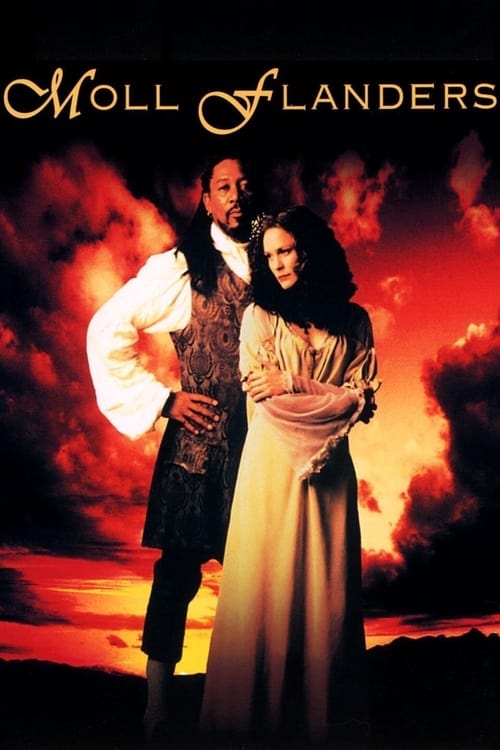
Representation Score
Good
1996
PG-13Director
Pen Densham
Runtime
123 minutes
Average Rating
No ratings yetNew Showbiz Analysis
Pen Densham’s direction centers on the perspectives of underrepresented individuals, particularly through a female protagonist who defies traditional moral frameworks. The film validates the survivalist intellect of its lead character in a world designed to suppress her. However, the film is constrained by its historical homogeneity and a lack of LGBTQ+ representation. While it delves deeply into class and institutional corruption, it remains focused on a narrow demographic. Ultimately, the work offers a sophisticated critique of Western institutions, emphasizing individual survival over institutional loyalty.
Category Breakdown
The film does not explicitly include LGBTQ+ identities or same-sex romantic relationships. It emphasizes survival strategies within a rigid social structure.
Moll Flanders is a strong female protagonist who uses her wit and sexuality to navigate a patriarchal society. The film challenges traditional hierarchies by depicting male authority figures as predatory and ineffective.
The cast is predominantly homogeneous, reflecting the socioeconomic stratification of the time period. While there is limited racial diversity, the film highlights the struggles of the London underclass.
The narrative criticizes religious and legal systems as oppressive mechanisms of class rigidity. It portrays theft and deception as rational survival tactics rather than moral failings.
The film has limited focus on visible or invisible disabilities. While poverty affects the health of characters, disability is not a central theme in the narrative.
Present on Screen
Limited or Absent
Official Synopsis
The daughter of a thief, young Moll is placed in the care of a nunnery after the execution of her mother. However, the actions of an abusive priest lead Moll to rebel as a teenager, escaping to the dangerous streets of London. Further misfortunes drive her to accept a job as a prostitute from the conniving Mrs. Allworthy. It is there that Moll first meets Hibble, who is working as Allworthy's servant but takes a special interest in the young woman's well-being. With his help, she retains hope for the future, ultimately falling in love with an unconventional artist who promises the possibility of romantic happiness.
1999
2004
1980

2022
1997

1962

1928

1996
No reviews yet. Be the first to share your thoughts on this movie!
Use the rating form above to leave a star rating and optional review.