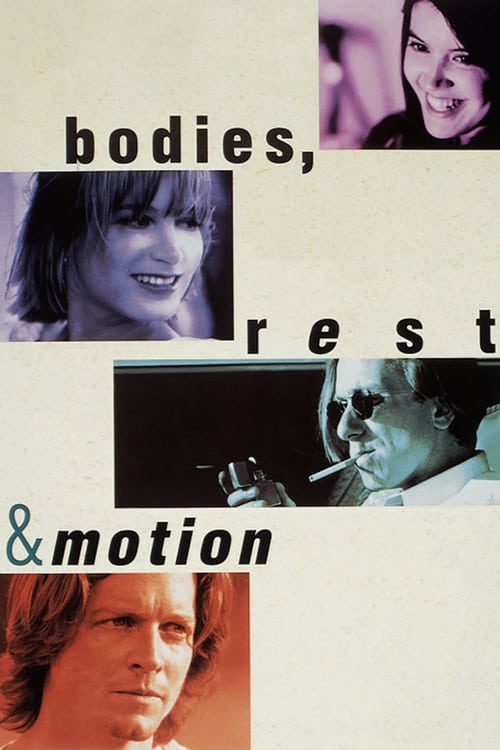
Bodies, Rest & Motion
1993
No user ratings available yet
Representation score: 3.3 out of 10

Representation Score
Good
1993
RDirector
Victor Nuñez
Runtime
114 minutes
Average Rating
No ratings yetNew Showbiz Analysis
Ruby in Paradise is a significant feminist film that highlights a woman's struggle for independence. It challenges traditional gender roles and focuses on a woman's fight for survival and autonomy. However, the film's impact is limited by its lack of racial and LGBTQ+ diversity. The narrative centers on a white protagonist in a homogeneous social setting, missing opportunities for more diverse storytelling. Ultimately, the film replaces conventional formulas with a realistic portrayal of systemic challenges. It is a character-driven exploration of independence rather than a broad social tapestry.
Category Breakdown
The film does not feature prominent LGBTQ+ characters or explore non-straight relationships. The main storyline revolves around Ruby's relationships with male figures, without addressing queer identities.
The narrative emphasizes a woman's quest for independence and challenges traditional gender roles. Ruby seeks financial and personal freedom, valuing her independence over traditional marriage or domestic roles.
The story centers on a white protagonist and a predominantly white social circle in a small Florida town. While it avoids harmful stereotypes, it lacks diverse casting and does not explore multi-layered racial dynamics.
The film critiques economic barriers and the challenges of upward mobility. It portrays the struggles of the working class through a lens of survival rather than an idealized American Dream.
There are no prominent depictions of physical or neurodivergent disabilities. The film explores themes of psychological resilience and the mental health impacts of trauma, but these remain subtle character nuances.
Present on Screen
Limited or Absent
Official Synopsis
Reeling from her mother's recent death, Ruby Lee Gissing relocates to Florida to start anew. After finding a job at a souvenir store, Ruby becomes friends with the shop's owner, Mildred Chambers, and slowly acclimates to her new surroundings. Before long, she's juggling the affections of Mildred's Lothario son, Ricky, and the good-natured Mike. As she wavers between Ricky and Mike, Ruby also tries to come to terms with her past.
1993
1999
1998

2004

1992

2003
1996
1987
No reviews yet. Be the first to share your thoughts on this movie!
Use the rating form above to leave a star rating and optional review.