
A French Gigolo
2008
No user ratings available yet
Representation score: 4.3 out of 10
Representation Score
Fair
1990
Not RatedDirector
Atom Egoyan
Runtime
92 minutes
Average Rating
No ratings yetNew Showbiz Analysis
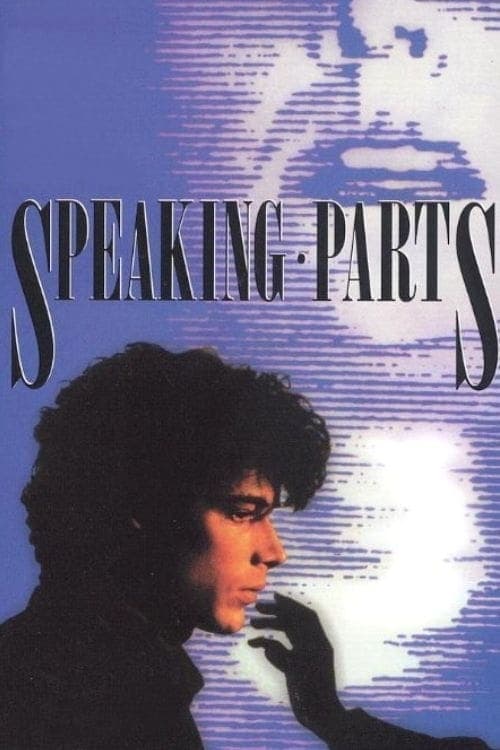
Speaking Parts is a postmodern drama that prioritizes psychological complexity and the deconstruction of truth over demographic variety. It succeeds in providing female characters with ability to act and depth, moving beyond simple foils for male protagonists. However, the film remains largely homogeneous in its racial and sexual orientation representation. The narrative's strength lies in its intellectual approach to subjectivity and the failure of human connection. It uses a non-linear structure to challenge objective reality, offering a sophisticated critique of social cohesion. This focus on internal experience comes at the expense of a diverse visual or social landscape. Ultimately, the film functions as a localized study of specific psychological states. While it challenges traditional storytelling hierarchies, it adheres to the demographic norms of its contemporary setting, resulting in a narrow but deeply nuanced character study.
Category Breakdown
The film does not feature prominent LGBTQ+ characters or storylines. Relationships focus on traditional romantic obsessions and the breakdown of conventional family structures.
Female characters play significant roles in driving the story and have substantial psychological depth, avoiding submissive stereotypes. The narrative centers on female autonomy and the inner lives of women dealing with loss.
The cast and setting are primarily white, depicting a homogeneous urban middle-class environment. The film lacks diverse ethnic perspectives or intentional color-blind casting.
The film explores moral and emotional relativism through a fragmented narrative structure. It critiques traditional Western social structures by highlighting the instability of domestic life and communication.
There is no significant representation of physical or neurodivergent disabilities. Psychological struggles are portrayed as universal existential conditions rather than specific explorations of disability.
Present on Screen
Limited or Absent
Official Synopsis
Hotel employee Lisa develops an obsession with her co-worker Lance, a struggling actor who has appeared in several films as an extra.
2008

1989
1980

1987
1997

2022

1976

1999
No reviews yet. Be the first to share your thoughts on this movie!
Use the rating form above to leave a star rating and optional review.