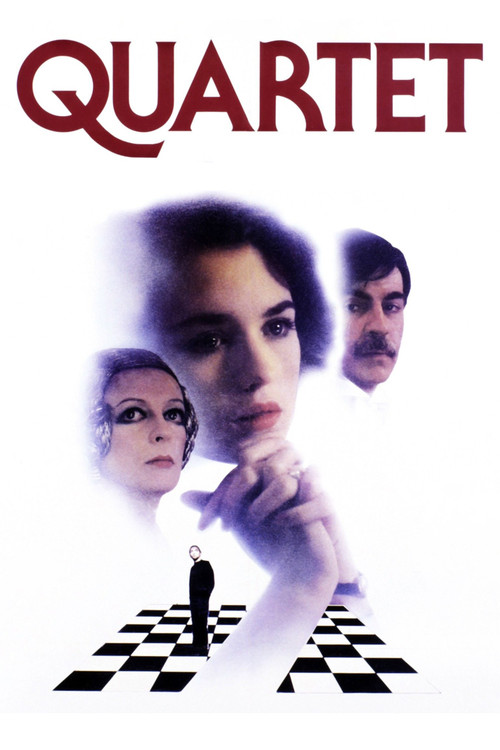
Quartet
1981
No user ratings available yet
Representation score: 4.2 out of 10
Representation Score
Good
1987
RDirector
Jack Clayton
Runtime
116 minutes
Average Rating
No ratings yetNew Showbiz Analysis
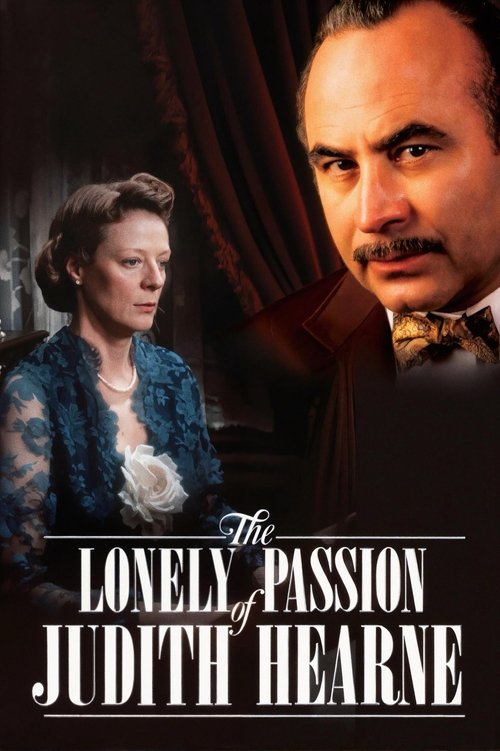
The film is set in the 1950s and emphasizes thematic depth over a wide range of demographics. While the cast lacks racial and LGBTQ+ diversity due to its historical context, the narrative provides a sophisticated critique of the institutions governing that era. Its strength lies in its critique of religious and patriarchal authority. By portraying social structures as architects of isolation rather than sources of stability, the film achieves a progressive psychological realism. Ultimately, the work prioritizes a focused, critical examination of how rigid social hierarchies affect individual mental health and autonomy.
Category Breakdown
The film doesn't include any explicit LGBTQ+ characters or stories. The social environment is very focused on straight relationships, reflecting the strict norms of 1950s Dublin.
Judith Hearne challenges traditional views of femininity by showing a woman who is held back by societal expectations. Her story highlights her struggles against the indifference of men and the judgment of women.
The cast is mostly made up of white Irish actors, reflecting the demographics of the time. The story focuses on class and religion rather than showcasing diverse ethnic backgrounds.
The film criticizes the Catholic Church as a source of oppressive guilt and shame. It portrays the rigid middle-class morality as a tool of social cruelty.
Judith’s battles with alcoholism and psychological issues are shown with empathy and realism. The film avoids stereotypes and focuses on her ability to make decisions despite her struggles.
Present on Screen
Limited or Absent
Official Synopsis
A penniless middle-aged spinster scrapes by giving piano lessons in the Dublin of the 1950s. She makes a sad last bid for love with a fellow resident of her rundown boarding house, who imagines she has the money to bankroll the business he hopes to open.
1981
1964
2003

1984
1954
1958

1973
1955
No reviews yet. Be the first to share your thoughts on this movie!
Use the rating form above to leave a star rating and optional review.