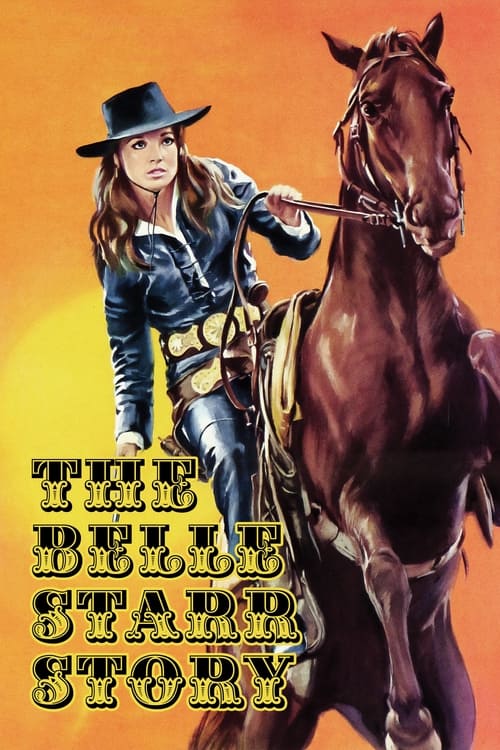
The Belle Starr Story
1968
No user ratings available yet
Diversity score: 4.4 out of 10
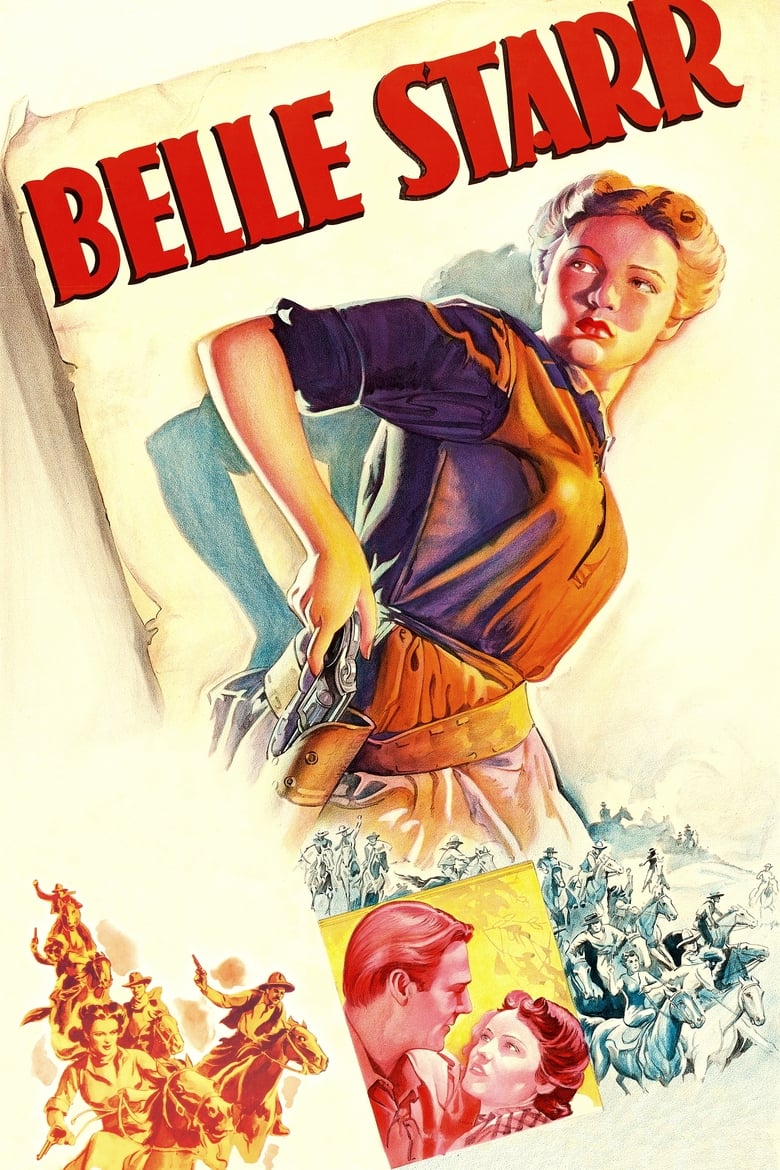
1941
NRDirector
Irving Cummings
Runtime
83 minutes
Average Rating
No ratings yetSynopsis
After her family's mansion is burned down by Yankee soldiers for hiding the rebel leader Captain Sam Starr Belle Shirley vows to take revenge. Breaking Starr out of prison, she joins his small guerrilla group for a series of raids on banks and railroads, carpetbaggers and enemy troops. Belle's bravado during the attacks earns her a reputation among the locals as well as the love of Starr himself. The pair get married, but their relationship starts to break down when Sam Starr lets a couple of psychotic rebels into the gang, leaving Belle to wonder if he really cares about the Southern cause.
Overall Score
Limited
Category Breakdown
LGBTQ+ Representation
The film adheres to the heteronormative standards of 1941 Hollywood. The narrative focus is strictly on the romantic bond between Belle and Sam Starr.
Gender Representation
Belle Starr demonstrates significant agency by transitioning from a victim to an active participant in guerrilla warfare. However, her rebellion remains tethered to her romantic relationship with Sam.
Racial & Ethnic Diversity
The cast is overwhelmingly homogeneous, focusing on a specific subset of the American frontier experience. The film depicts the Western frontier through a singular, white-centric lens.
Religious & Cultural Diversity
The narrative explores themes of anti-authoritarianism and critiques of established institutions like the Yankee military. It frames conflict through romanticized frontier survival and localized political loyalty.
Disability Representation
There is no evidence of characters with visible or invisible disabilities. Disability is not used as a narrative device in this film.
Strengths
Areas for Improvement
AI Analysis
Belle Starr offers a degree of gendered agency by placing a woman at the center of a high-stakes action narrative. The protagonist subverts traditional expectations of submissive femininity by adopting the role of an outlaw. However, these progressive elements are offset by a lack of intersectional depth. The film remains culturally and racially conservative, relying on the homogeneous casting typical of early 1940s Westerns. The narrative architecture prioritizes romanticized rebellion and traditional racial hierarchies, limiting its scope to a narrow, white-centric view of the Southern rebellion.
1968
1954
1931
1950
1947
1928
1914
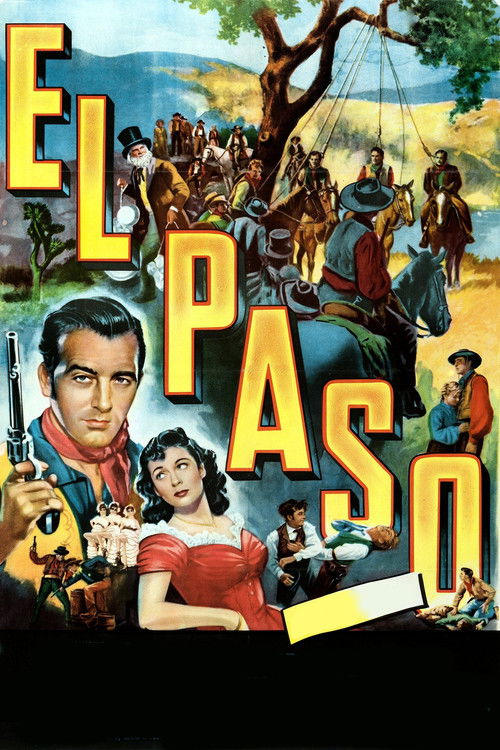
1949
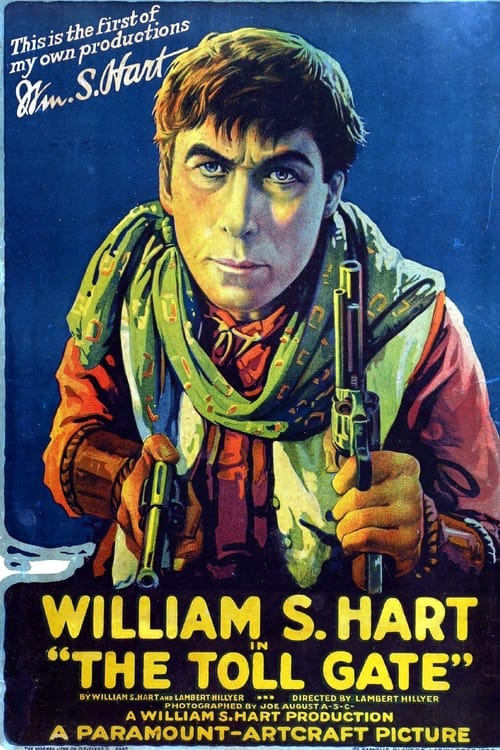
1920
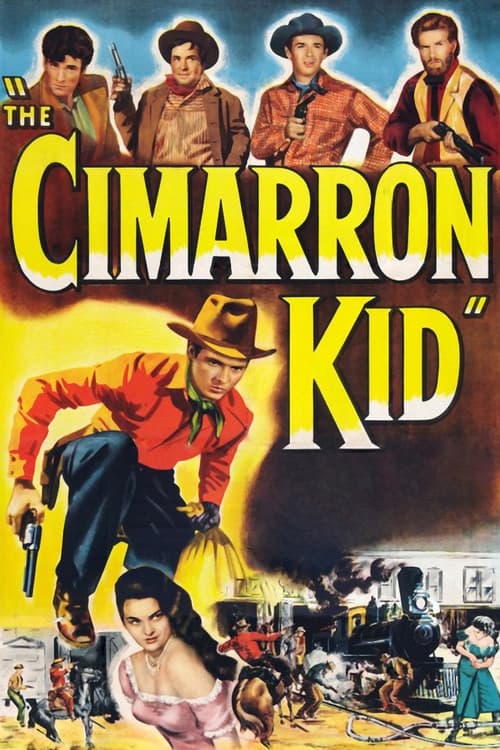
1952
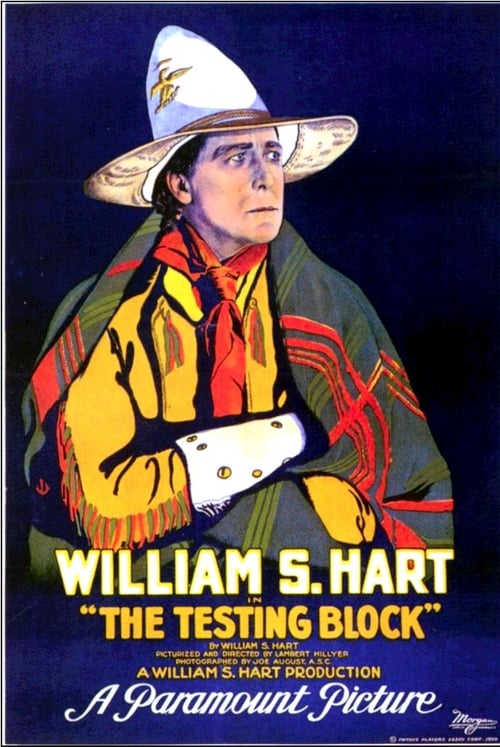
1920
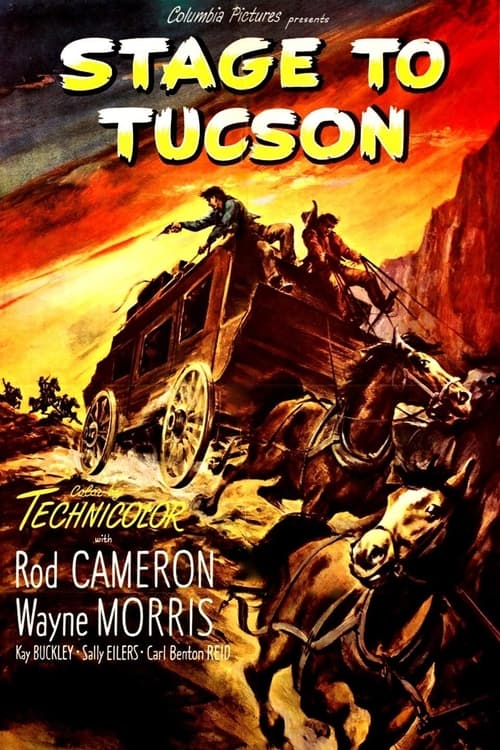
1950
No reviews yet. Be the first to share your thoughts on this movie!
Use the rating form above to leave a star rating and optional review.