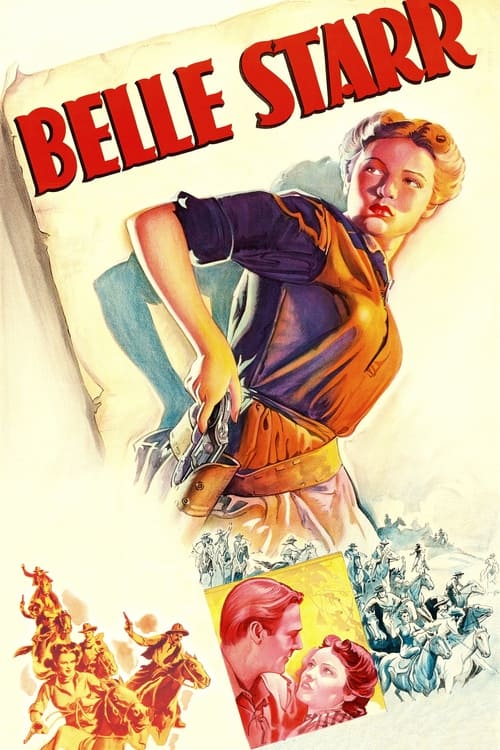
Belle Starr
1941
No user ratings available yet
Diversity score: 2.3 out of 10
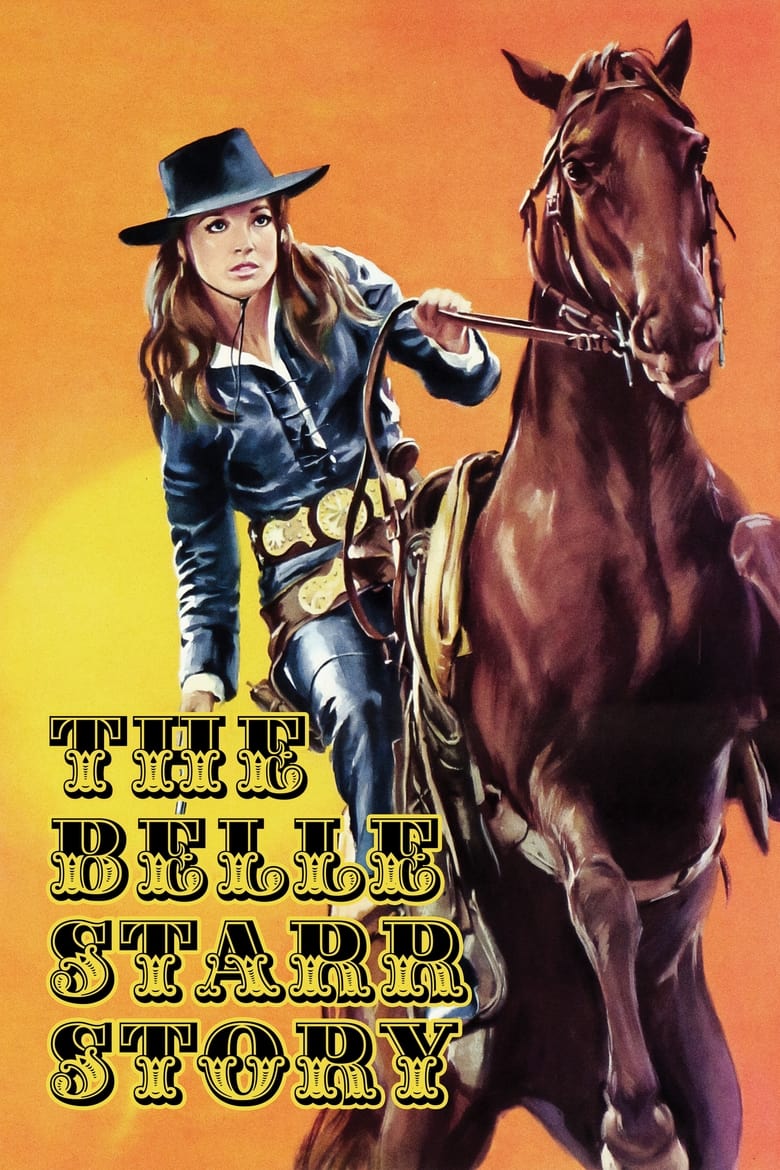
1968
Not RatedDirector
Lina Wertmüller, Piero Cristofani
Runtime
103 minutes
Average Rating
No ratings yetSynopsis
Dominated by men in her youth, Belle Starr now out-shoots and out-gambles them as she makes her way around the West. One man who's her equal is Larry Blackie, with whom she has an on-again, off-again relationship. Together, they become involved in a robbery which goes awry...
Overall Score
Fair
Category Breakdown
LGBTQ+ Representation
The film follows heteronormative patterns common to 1960s Westerns. It lacks explicit depictions of queer identities or non-cisnormative romantic dynamics.
Gender Representation
Belle Starr disrupts traditional hierarchies by out-shooting and out-gambling men. She possesses high agency and autonomy, moving far beyond the era's standard submissive femininity.
Racial & Ethnic Diversity
The cast is predominantly white, reflecting the homogeneous social structures of the American frontier. There is a lack of diverse ethnic perspectives or color-blind casting.
Religious & Cultural Diversity
The narrative deconstructs Western institutions by framing outlawry as a means of survival. It prioritizes individual agency over the rigid moralities of law and order.
Disability Representation
There are no prominent depictions of physical or neurodivergent disabilities that serve as significant character traits or drive the plot.
Strengths
Areas for Improvement
AI Analysis
The film is a striking subversion of gendered power dynamics within the Western genre. By centering on a highly competent female protagonist, it replaces traditional masculine leadership with female-driven agency. However, this progress is offset by a lack of racial and LGBTQ+ breadth. The cast remains largely homogeneous, and the romantic dynamics adhere strictly to heteronormative structures. Ultimately, the film succeeds as a critique of institutional authority, using Belle Starr's rebellion to explore autonomy against systemic constraints, even if it lacks broader social diversity.
1941

1952
1957
1958
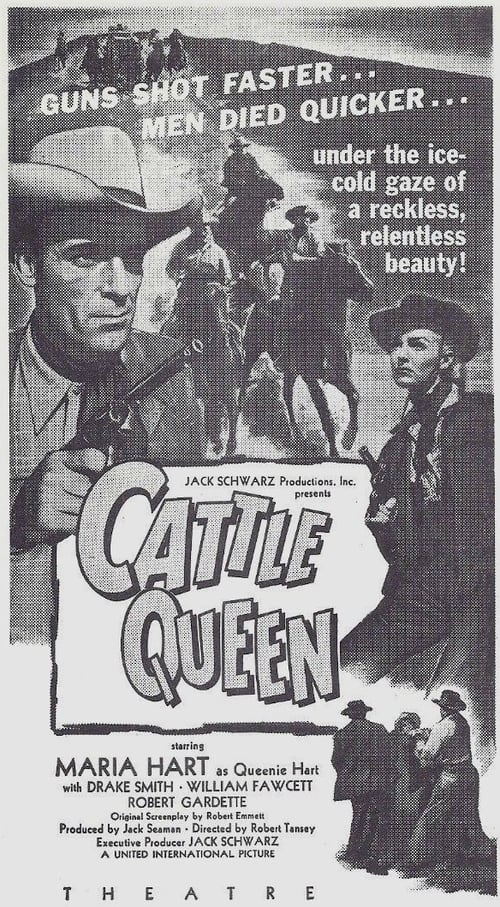
1951
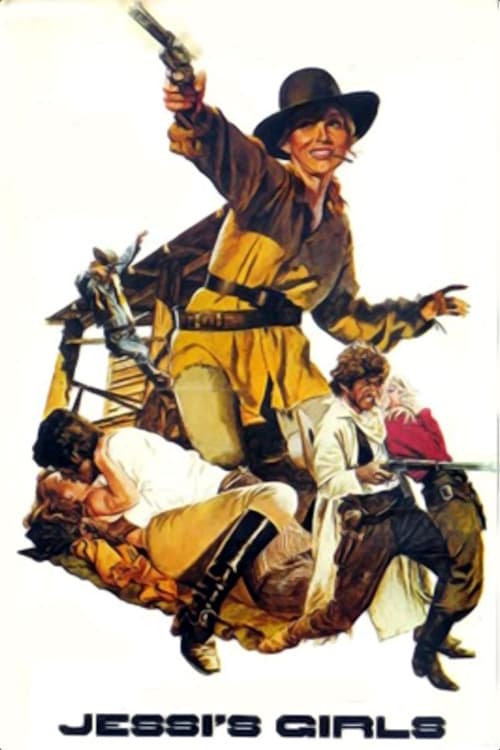
1975
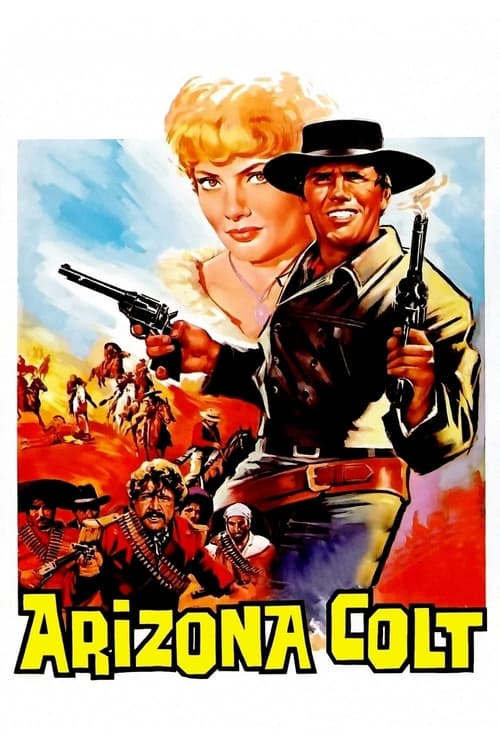
1966
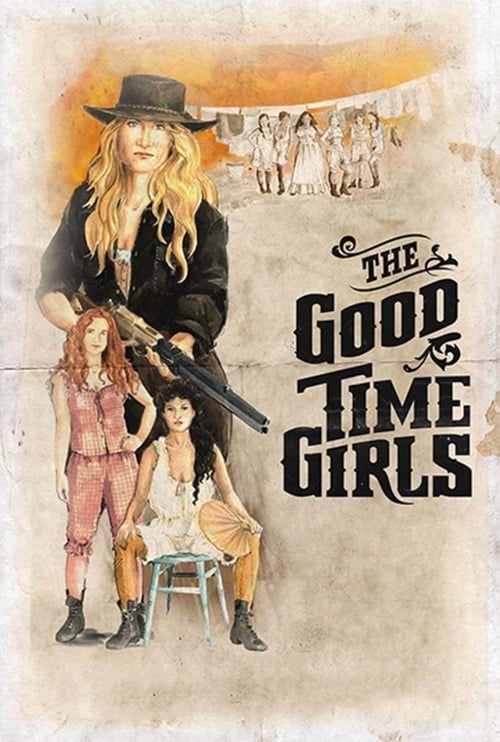
2017

1957

1958

1968
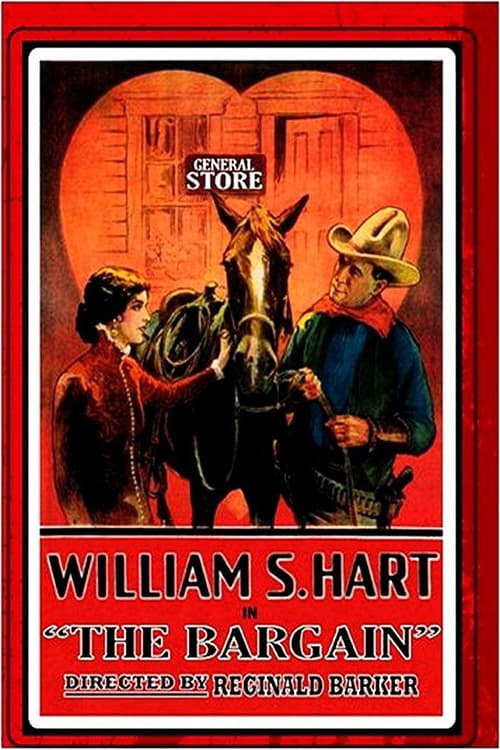
1914
No reviews yet. Be the first to share your thoughts on this movie!
Use the rating form above to leave a star rating and optional review.