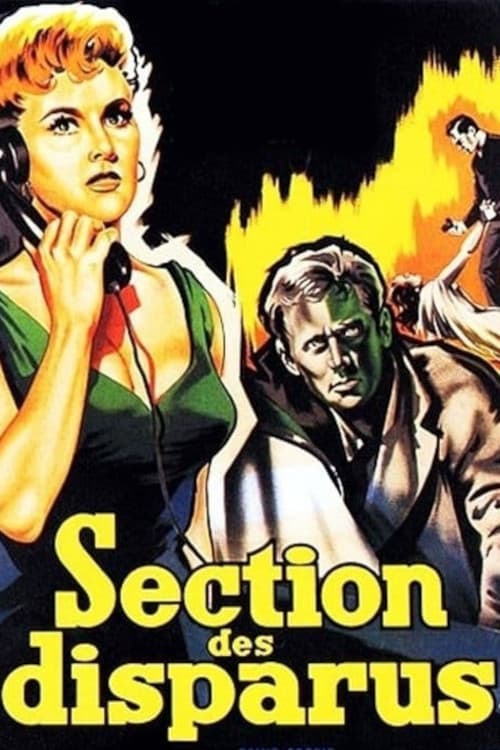
Missing Persons Section
1956
No user ratings available yet
Representation score: 1.4 out of 10
Representation Score
Minimal
1950
ApprovedDirector
John Guillermin
Runtime
77 minutes
Average Rating
No ratings yetNew Showbiz Analysis
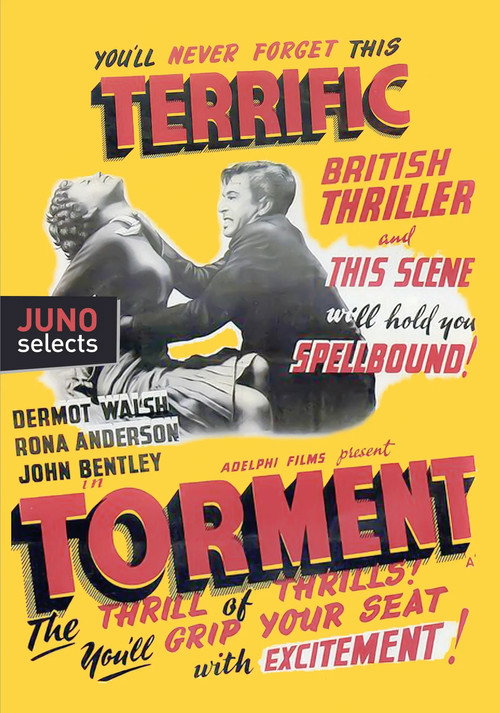
Torment is a period-typical crime thriller that adheres strictly to the social and cinematic conventions of 1950. The narrative structure revolves around a traditional romantic rivalry between two brothers, emphasizing masculine psychological tension rather than diverse perspectives. The film does not intentionally seek characters who reflect more than one aspect of diversity. It operates within the demographic and ideological boundaries of its era, using psychological instability as a plot device rather than exploring complex mental health or neurodivergence. Ultimately, the film serves as a character study of individualistic obsession. It does not attempt to challenge gender roles, racial norms, or systemic structures, making it a typical example of mid-century genre filmmaking.
Category Breakdown
The film focuses on a romantic rivalry between two men for a single woman. It does not include any non-cisgender identities or same-sex intimacy.
The female lead's role is defined by her relationships with the male protagonists. The story emphasizes masculine psychological struggles over giving female characters structural authority.
The cast is ethnically homogeneous, reflecting the Norwegian setting and 1950s British production standards. It lacks non-Anglo-Saxon characters or color-blind casting.
The narrative focuses on individual obsession and personal morality within mid-century frameworks. It does not engage with anti-Western or secularist themes.
Neurotic and psychopathic temperaments serve as thriller clichés rather than nuanced depictions of neurodivergence. Psychological instability is used primarily as a plot device.
Present on Screen
Limited or Absent
Official Synopsis
A story of two brothers, both writers of crime novels, one a fine, upstanding gentleman and the other a moody, neurotic, psychopath. The other is determined to create a 'faked' version of a perfect crime he intends to commit when an ex-convict visits them. They are both in love with their shared-stenographer-secretary.
1956
1950
1950
1946
1952

1958
1955

1970
No reviews yet. Be the first to share your thoughts on this movie!
Use the rating form above to leave a star rating and optional review.