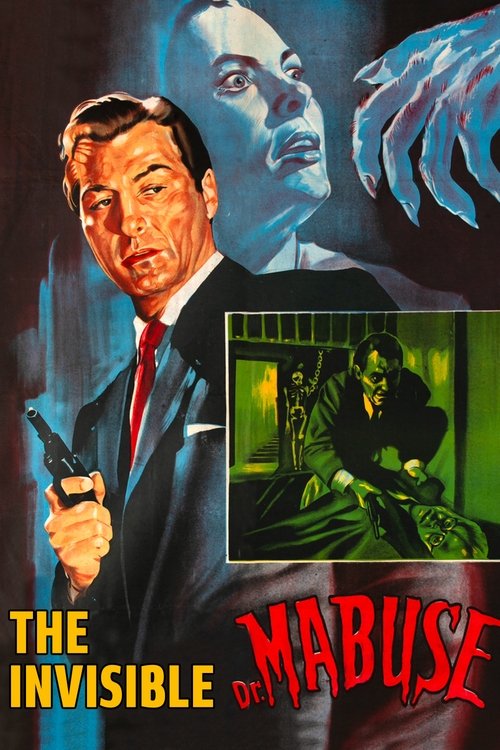
The Invisible Dr. Mabuse
1962
No user ratings available yet
Representation score: 1.7 out of 10
Representation Score
Minimal
1961
Not RatedDirector
Harald Reinl
Runtime
85 minutes
Average Rating
No ratings yetNew Showbiz Analysis
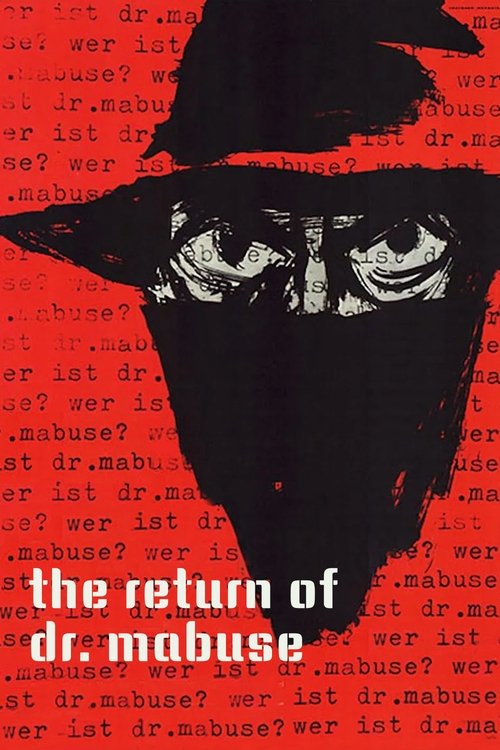
The Return of Dr. Mabuse is a period-specific crime thriller that emphasizes genre conventions over social representation. It adheres to the rigid social hierarchies of 1961 West German cinema, reinforcing rather than challenging mid-century norms. While the inclusion of a professional female reporter offers a minor departure from passive roles, the film remains anchored in traditional gender and racial homogeneity. The focus on hypnotic control and criminal syndicates serves the thriller genre without addressing broader identity-based themes. Ultimately, the film lacks the intentionality needed to disrupt conventional narratives. It presents a world defined by established power dynamics and traditional social archetypes.
Category Breakdown
The film follows the heterosexual norms of 1961 West German cinema. There is no indication of non-binary gender identities or same-sex relationships.
A determined female reporter offers a professional role that slightly deviates from passive stereotypes. However, her influence remains tied to the main male-driven storyline.
The casting reflects the demographic uniformity typical of early 1960s European crime cinema. The social setting remains homogeneous without evidence of diverse casting.
The plot incorporates traditional morality through a minister and religious elements. It functions as a standard crime thriller without critiquing societal institutions.
There is no depiction of physical or neurodivergent disabilities. Psychological manipulation is used as a criminal tool rather than an exploration of disability experiences.
Present on Screen
Limited or Absent
Official Synopsis
The supposedly dead and buried Mabuse returns to his criminal activities, as his longtime foe Police Inspector Lohmann, a dauntless girl reporter, and an American - who may be an FBI agent, or maybe a Chicago mobster - investigate a series of gruesome murders connected to a maximum security prison and involving a minister who has written a book called "The Anatomy Of The Devil".
1962
1960

1963
1933
1949
1964
2013
1965
No reviews yet. Be the first to share your thoughts on this movie!
Use the rating form above to leave a star rating and optional review.