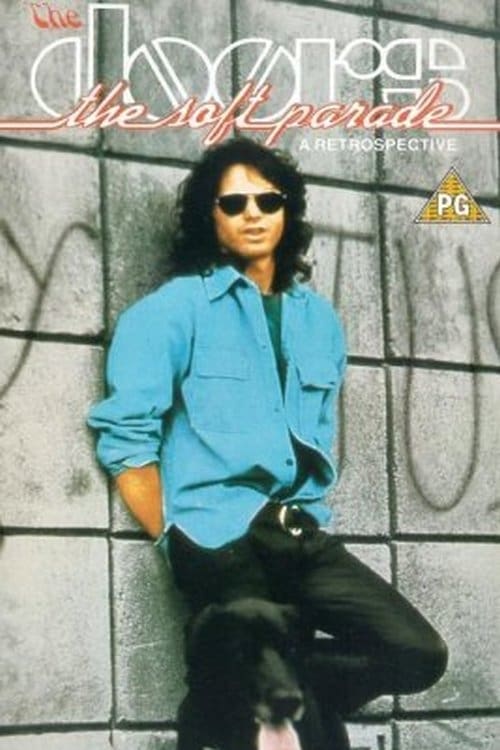
The Doors - The Soft Parade
1991
No user ratings available yet
Representation score: 5.5 out of 10
Representation Score
Fair
1999
Director
Rick Schmidlin, Ray Manzarek
Runtime
172 minutes
Average Rating
No ratings yetNew Showbiz Analysis
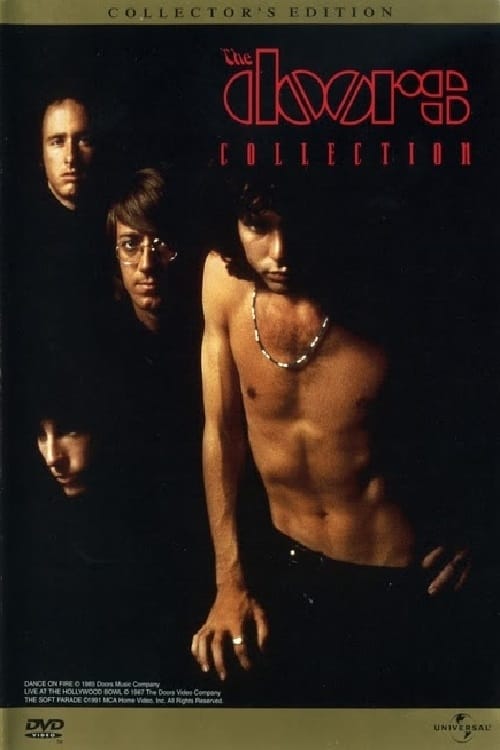
The Doors: Collection acts as a historical archive of a transformative era rather than a modern social commentary. Its value lies in preserving the aesthetic and rebellious spirit of the late 1960s. While the collection captures the deconstruction of traditional Western institutions and social conformity, it remains limited by the era's demographic realities. The focus on the band's specific performances results in a landscape that is largely male-dominated and reflects the social constraints of the time. Ultimately, the work serves as a cultural time capsule, documenting a shift toward subjective morality and anti-establishment sentiment, even if it does not intentionally center diverse identities.
Category Breakdown
The collection captures the 1960s counterculture, where gender expression was often fluid. However, LGBTQ+ representation is incidental rather than intentional, and lacks specific character arcs.
The footage primarily documents a male-dominated musical landscape. While Manzarek’s student films may offer varied perspectives, the main musical segments reinforce traditional rock-and-roll hierarchies.
The documentation reflects the demographic realities of the 1960s Los Angeles music scene. It captures the era's social constraints without actively promoting a diverse cast.
The collection excels in documenting the 1960s counterculture. It captures a period defined by skepticism toward established social orders and the prioritization of secular or spiritual exploration.
There is no discernible evidence regarding the portrayal of physical or neurodivergent disabilities within the archival footage or provided synopsis.
Present on Screen
Limited or Absent
Official Synopsis
A collection of short films, interviews and concert footage of the '60s rock band The Doors. Includes three basic video segments: Dance on Fire, Live at the Hollywood Bowl and The Soft Parade. Each of the videos is directed by Ray Manzarek. The "extras" include Ray's two UCLA student films.
1991
2021
1969
2010
2012
2004

2008
2006
No reviews yet. Be the first to share your thoughts on this movie!
Use the rating form above to leave a star rating and optional review.