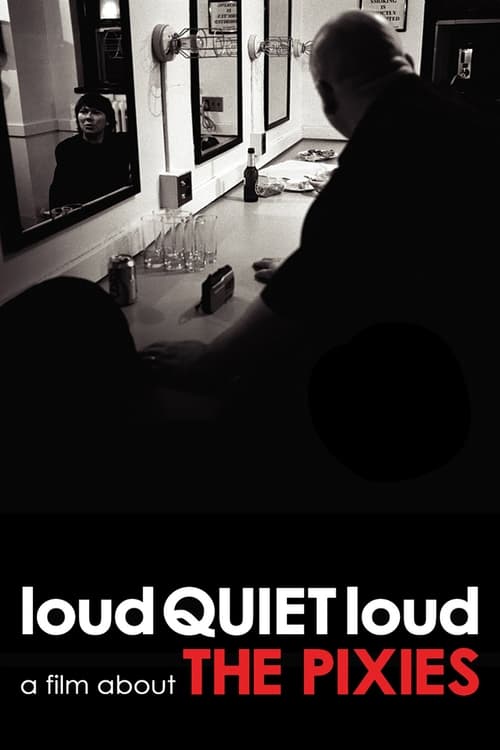
loudQUIETloud: A Film About the Pixies
2006
No user ratings available yet
Representation score: 5.0 out of 10
Representation Score
Fair
2003
NRDirector
AJ Schnack
Runtime
102 minutes
Average Rating
No ratings yetNew Showbiz Analysis
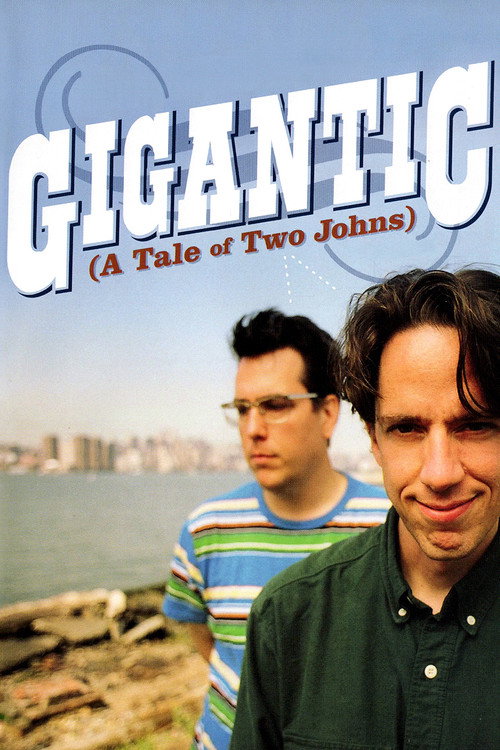
Gigantic (A Tale of Two Johns) is a specialized biographical study that focuses on the history of a specific musical subculture. It serves as an oral history of They Might Be Giants, detailing their journey from Massachusetts to the New York indie scene. The film lacks broad demographic representation, especially concerning gender and racial diversity, reflecting the specific Anglo-centric indie-pop landscape of its time. The interviewees remain largely homogeneous, centered around the duo's personal and professional journey. However, the documentary finds strength in its cultural narrative. By promoting DIY independence and critiquing the major label machine, it provides a meaningful look at non-traditional success and the empowerment of independent creators.
Category Breakdown
The film delves into the East Village performance art scene, which has been historically important for LGBTQ+ individuals. However, the story emphasizes the professional musical collaboration between the duo rather than focusing on their LGBTQ+ identities.
The documentary centers on a male partnership within a male-dominated industry. While it avoids traditional patriarchal clichés by highlighting artistic merit, it does not actively challenge gender hierarchies.
The film reflects the predominantly white demographic of the late 20th-century indie-pop movement. Although the East Village setting suggests a diverse environment, the interviewees remain relatively homogeneous.
The narrative celebrates DIY ethics and anti-corporate sentiment. It frames success through an independent, anti-establishment lens that prioritizes unconventional, non-institutional paths over mainstream capitalist structures.
There is no significant evidence regarding the portrayal of visible or invisible disabilities within the film's biographical scope.
Present on Screen
Limited or Absent
Official Synopsis
John Flansburgh & John Linnell met in the 1970s as junior high students in Lincoln, Massachusetts. A decade later, their band—They Might Be Giants—would stand at the forefront of a burgeoning East Village NYC performance art scene as well as the college music revolution of the late 1980s. Filmed in 2001, ‘Gigantic (A Tale of Two Johns)’ is the acclaimed true story, tracing their independent and sometimes hilarious path through two decades in the pop music wilderness. From their legendary Dial-a-Song answering machine, to their Grammy Award-winning theme song for ‘Malcolm in the Middle’, fans and friends gather to tell the oral history of Brooklyn's finest alternative rock band.
2006
2021
1993
2021
2002
2016
2000
2008
No reviews yet. Be the first to share your thoughts on this movie!
Use the rating form above to leave a star rating and optional review.