
Classic Albums: The Doors
2008
No user ratings available yet
Representation score: 3.8 out of 10
Representation Score
Fair
2012
PGDirector
Martin R. Smith
Runtime
94 minutes
Average Rating
No ratings yetNew Showbiz Analysis
The documentary serves as a historical record of a specific musical era. It excels at documenting the cultural shifts and anti-establishment spirit of the late 1960s counterculture. However, the film lacks depth in representing diverse identities or disabilities. The narrative is heavily centered on a male-dominated hierarchy and traditional archetypes, offering limited representation of diverse backgrounds.
Category Breakdown
The film follows a typical straight rock star archetype. It doesn't prominently feature narratives about non-binary gender identities, focusing instead on the band's music and Morrison's public image.
The story centers around a male-dominated creative environment. While Morrison's relationships with women are discussed, they are framed through his personal mythos rather than through women's roles in driving the story.
The subjects reflect the predominantly white demographic of the 1960s Los Angeles rock scene. The film captures the specific Anglo-American musical circle of that time without intentionally mixing demographics.
The documentary effectively captures the era's anti-establishment sentiments and rejection of traditional institutions. It portrays the counterculture movement and its liberating ethos as central to the band's identity.
There is no meaningful representation of visible or invisible disabilities. The focus remains strictly on the musical and biographical milestones of the band members.
Present on Screen
Limited or Absent
Official Synopsis
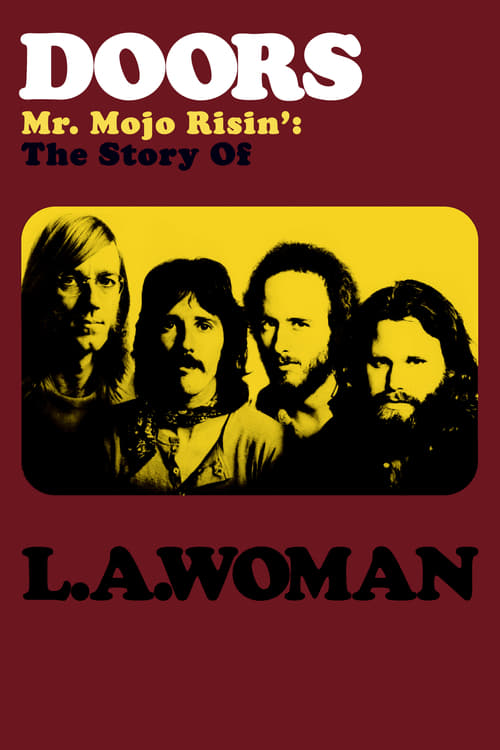
“Mr Mojo Risin’” is the story of the making of the Doors’ last album with Jim Morrison “L.A. Woman”. 2011 is the 40th anniversary both of the album’s release and of the death of Jim Morrison and this programme goes into detail of how the album came about, its recording and what was happening to the band at the time. The story is told through new interviews with the three surviving Doors: Ray Manzarek, Robbie Krieger and John Densmore plus contributions from Jac Holzman, founder of their label Elektra Records, Bill Siddons, who was their manager, Bruce Botnick, engineer and co-producer of the album and others associated with the Doors at this time. The show includes archive footage of the Doors performing both live and in the studio, classic photographs and new musical demonstrations from the Doors.
2008
2010
2004
2021
1991
1999
2019
2004
No reviews yet. Be the first to share your thoughts on this movie!
Use the rating form above to leave a star rating and optional review.