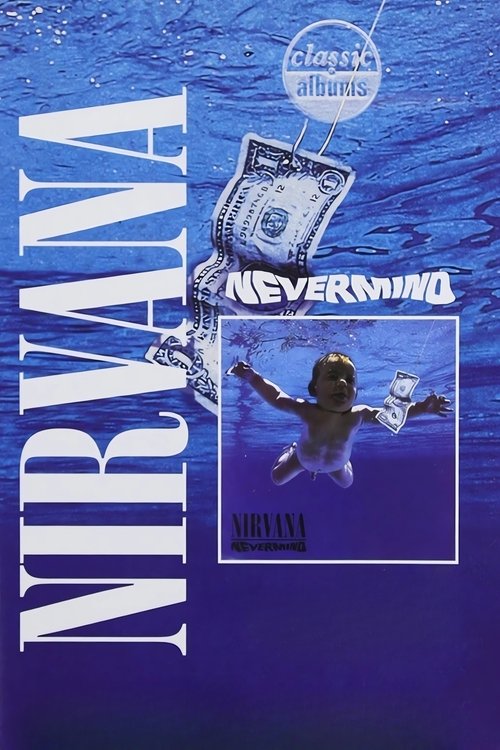
Classic Albums: Nirvana - Nevermind
2005
No user ratings available yet
Representation score: 7.3 out of 10

Representation Score
Limited
2008
Director
Bob Smeaton
Runtime
52 minutes
Average Rating
No ratings yetNew Showbiz Analysis
This documentary serves as a technical autopsy of The Doors' debut album, prioritizing musical innovation and historical context. It succeeds in capturing the anti-establishment spirit of the 1960s counterculture, providing a deep look at the era's social tensions. However, the film remains tethered to the demographic homogeneity of the 1960s rock movement, focusing heavily on white, male subjects. Ultimately, the film functions as a specialized historical record, capturing the cultural shifts of the era without actively seeking to represent diverse identities or challenge the period's rigid social hierarchies.
Category Breakdown
The film doesn't include explicit LGBTQ+ narratives or non-cisgender identities. It touches on the sexual revolution of the 1960s but focuses on the heterosexual dynamics of the rock scene.
The story centers on a male-dominated creative core and the masculine archetype of Jim Morrison. Women are shown primarily as passive observers or objects within the rock-and-roll lifestyle.
The visual landscape is predominantly white and Anglo-Saxon, reflecting the demographic homogeneity of the specific Los Angeles musical subculture.
The documentary captures the 1960s counterculture and its challenge to traditional Western institutions. It highlights the anti-establishment sentiment and social revolution central to the band's identity.
There is no significant focus on neurodivergence or physical disabilities. The subjects' chaotic lifestyles are framed through rock-and-roll excess rather than as a study of disability.
Present on Screen
Limited or Absent
Official Synopsis
A future classic was unleashed in January 1967 as the Doors released their eponymously titled debut album. This documentary in the Classic Albums series takes an in-depth look at the album, with commentary from Bruce Botnick, who worked on the album, and the three remaining Doors--guitarist Robbie Krieger, keyboard player Ray Manzarek, and drummer John Densmore. The three band members also play some of their instrumental parts from the album, offering invaluable insight into how the songs were constructed.
2005
2021

2001
2010
2003
2011
2006
2010
No reviews yet. Be the first to share your thoughts on this movie!
Use the rating form above to leave a star rating and optional review.