The Velvet Underground
2021
No user ratings available yet
Representation score: 6.9 out of 10
Representation Score
Excellent
2019
PG-13Director
Andrew Slater
Runtime
82 minutes
Average Rating
No ratings yetNew Showbiz Analysis
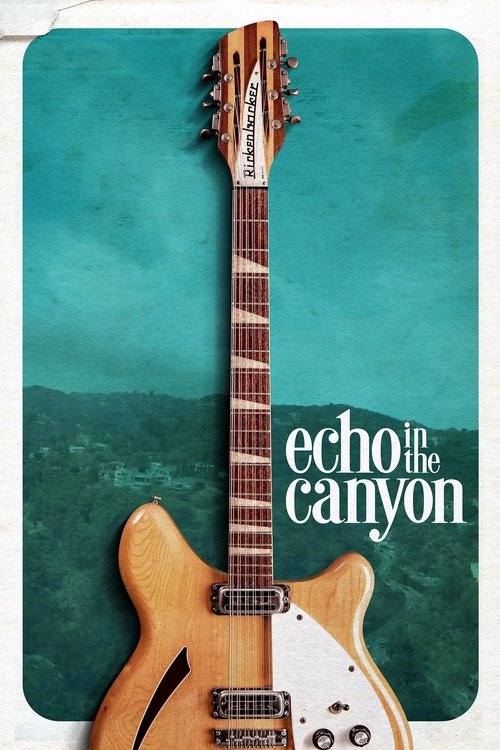
Echo in the Canyon serves as a detailed historical account of a pivotal cultural period. It examines the tension between established social norms and the emerging identities of the Laurel Canyon music scene. The documentary effectively documents the dismantling of mainstream hierarchies and critiques of capitalist structures within the music industry. It offers a meaningful perspective on the origins of contemporary progressive values through a historical lens. However, the film’s focus on the 1960s limits its scope regarding modern multi-layered diversity and representation of physical or neurodivergent disabilities.
Category Breakdown
The film captures the growing visibility of LGBTQ+ identities within the 1960s counterculture. It recognizes the presence of these figures within the communal life of Laurel Canyon during that time.
The documentary highlights the shift from traditional gender roles towards more flexible social structures. It emphasizes the role of female musicians and the breakdown of rigid gender expectations.
The film reflects the racial dynamics of the late 1960s music industry. While focused on the folk-rock scene, it acknowledges the diverse influences present in the canyon's creative output.
The narrative excels at depicting the era's skepticism toward traditional Western institutions. It portrays communal living and anti-establishment sentiments as legitimate philosophical departures from mainstream society.
The film does not center on narratives involving physical or neurodivergent disabilities. Disability is not a primary lens used to explore the social or musical history of the period.
Present on Screen
Limited or Absent
Official Synopsis
A look at the roots of the historic music scene in L.A.'s Laurel Canyon featuring the music of iconic music groups such as The Byrds, The Beach Boys, Buffalo Springfield, and The Mamas and the Papas.
2021
2021
2000
2018
2024
1981

2018
2016
No reviews yet. Be the first to share your thoughts on this movie!
Use the rating form above to leave a star rating and optional review.