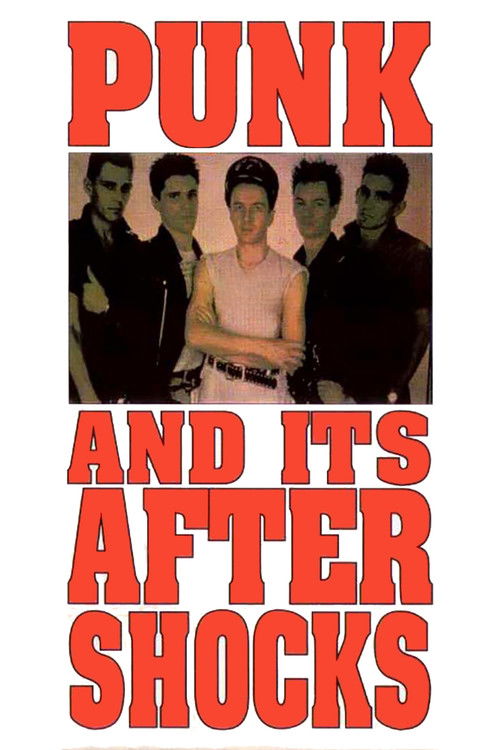
Punk and Its Aftershocks
1980
No user ratings available yet
Representation score: 8.8 out of 10
Representation Score
Good
1977
TV-MADirector
Wolfgang Büld
Runtime
111 minutes
Average Rating
No ratings yetNew Showbiz Analysis
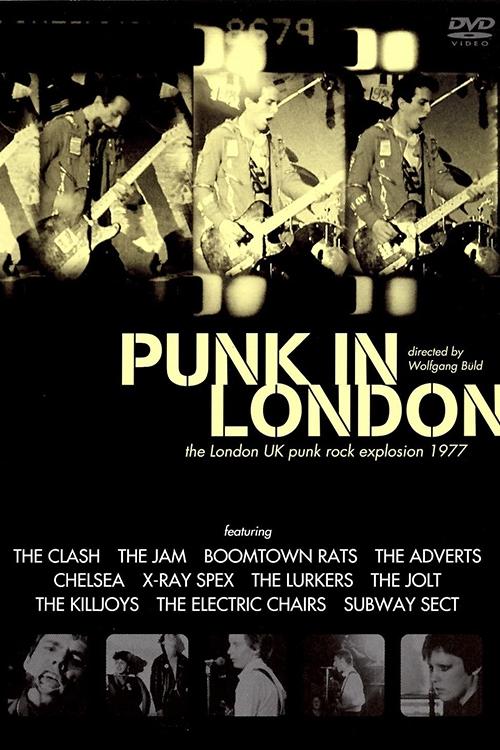
Punk in London serves as a crucial historical document of a movement that rejected mid-century social norms. The film captures the aesthetic and social rebellion that challenged established hierarchies. The documentary effectively highlights the anti-establishment sentiment and the disruption of conventional gender roles and performance styles. However, it lacks specific representation of individuals with disabilities. While the film captures the subcultural disruption of gender and social norms, the racial landscape remains centered on the predominantly white demographic of the era’s punk scene.
Category Breakdown
The film captures a community that rejects traditional gender roles and dress codes, focusing on fluid gender presentations and performances that challenge conventional gender norms.
The movie challenges traditional gender roles through fashion and performance. Bands like X-Ray Spex highlight the disruption of conventional feminine performance and gender norms.
Though the scene is primarily white, the documentary showcases the integration of various cultural influences through bands like The Clash, highlighting the diversity within the punk movement.
The documentary excels in portraying the anti-establishment sentiment of the punk movement. It presents the 'outsider' as a central figure, criticizing traditional Western institutions and rigid social structures.
There is no specific evidence regarding the portrayal of individuals with physical or neurodivergent disabilities.
Present on Screen
Limited or Absent
Official Synopsis
A visual record of London punk life in the late '70s, filled with never-before-seen live concert footage and commentary from the Clash, the Jam, X-Ray Spex and the Electric Chairs.
1980
1981
1978
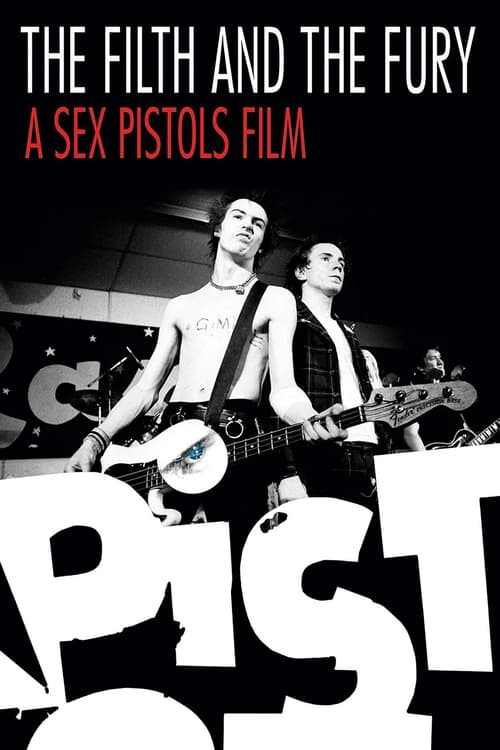
2000
1976

2004
2005
2007
No reviews yet. Be the first to share your thoughts on this movie!
Use the rating form above to leave a star rating and optional review.