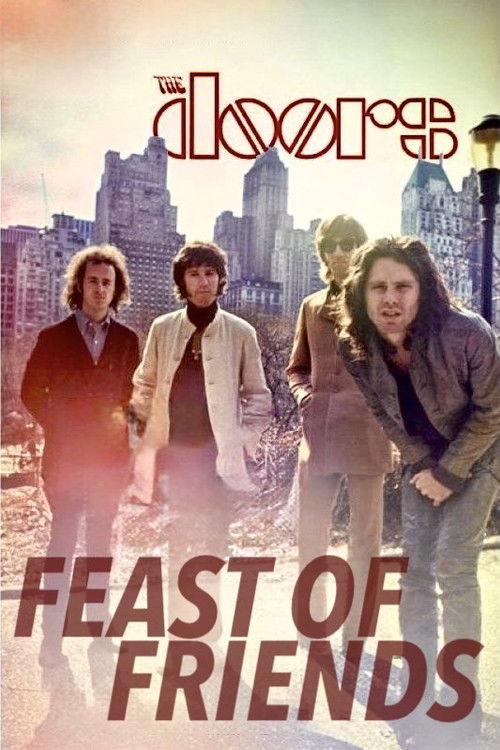
Feast of Friends
1969
No user ratings available yet
Representation score: 4.0 out of 10
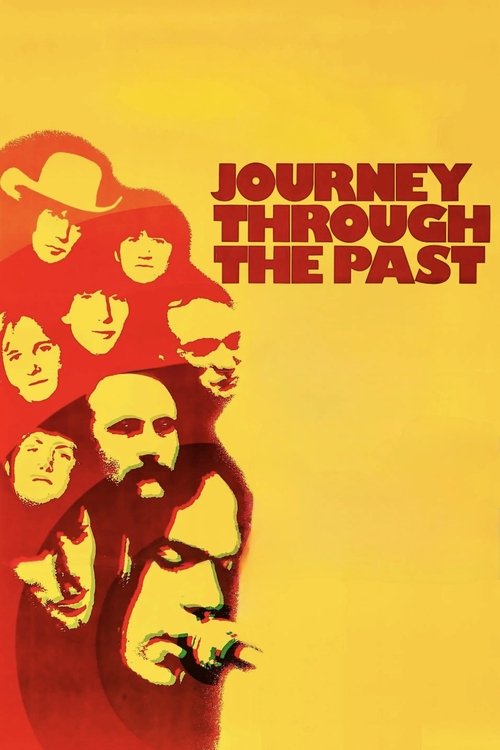
Representation Score
Fair
1972
RDirector
Neil Young
Runtime
79 minutes
Average Rating
No ratings yetNew Showbiz Analysis
Neil Young's documentary stands as a significant artifact of countercultural expression, prioritizing a non-conformist aesthetic over traditional narrative structures. It achieves this by subverting the standard documentary format, opting instead for a fragmented, experiential storytelling method. However, its focus on a specific musical journey limits its exploration of diverse identities. The film lacks explicit representation of LGBTQ+ individuals, racial diversity, or disability, functioning more as a subjective artistic montage than a comprehensive social study. Ultimately, the film's strength lies in its rejection of mainstream media conventions, even though it does not serve as a platform for explicit representation of various underrepresented groups.
Category Breakdown
The film serves as a musical retrospective rather than focusing on LGBTQ+ identities. Though it doesn't explicitly depict same-sex relationships, its countercultural setting implies a move away from strict heterosexual norms.
The story centers around a male protagonist, but the film's experimental style challenges traditional masculine stereotypes. It emphasizes fluid, artistic expression over the stereotypical portrayal of rock stars from the 1970s.
The film captures the spirit of the music scene through specific concert and backstage settings of the time. However, it lacks intentional, diverse casting or a focus on racial representation.
The work excels in depicting anti-establishment sentiments through non-linear, psychedelic sequences. It rejects traditional storytelling methods in favor of individualistic expression and the dismantling of formal institutions.
There is no indication of the representation of physical or neurodivergent disabilities within the film.
Present on Screen
Limited or Absent
Official Synopsis
Self-directed combination of concert footage from 1966 onward, backstage footage and art film-like sequences.
1969
2016
1991
2021
1969
1978
1973
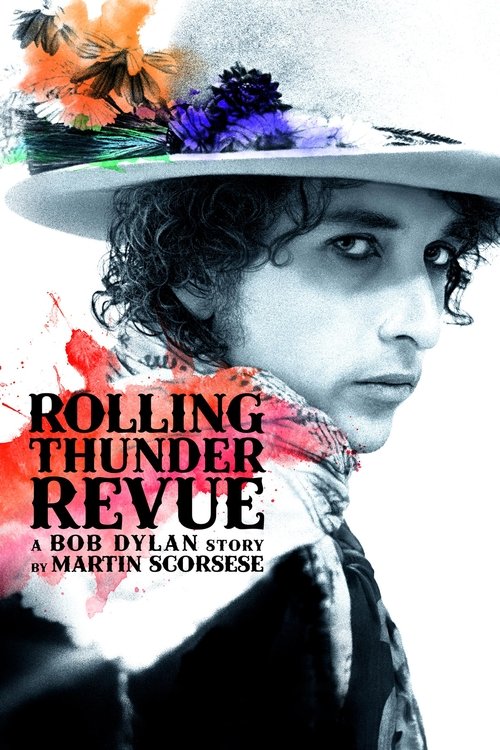
2019
No reviews yet. Be the first to share your thoughts on this movie!
Use the rating form above to leave a star rating and optional review.