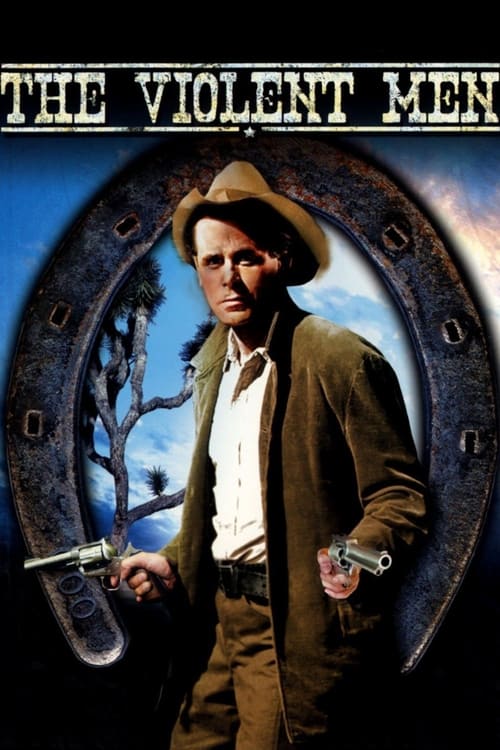
The Violent Men
1955
No user ratings available yet
Diversity score: 2.9 out of 10
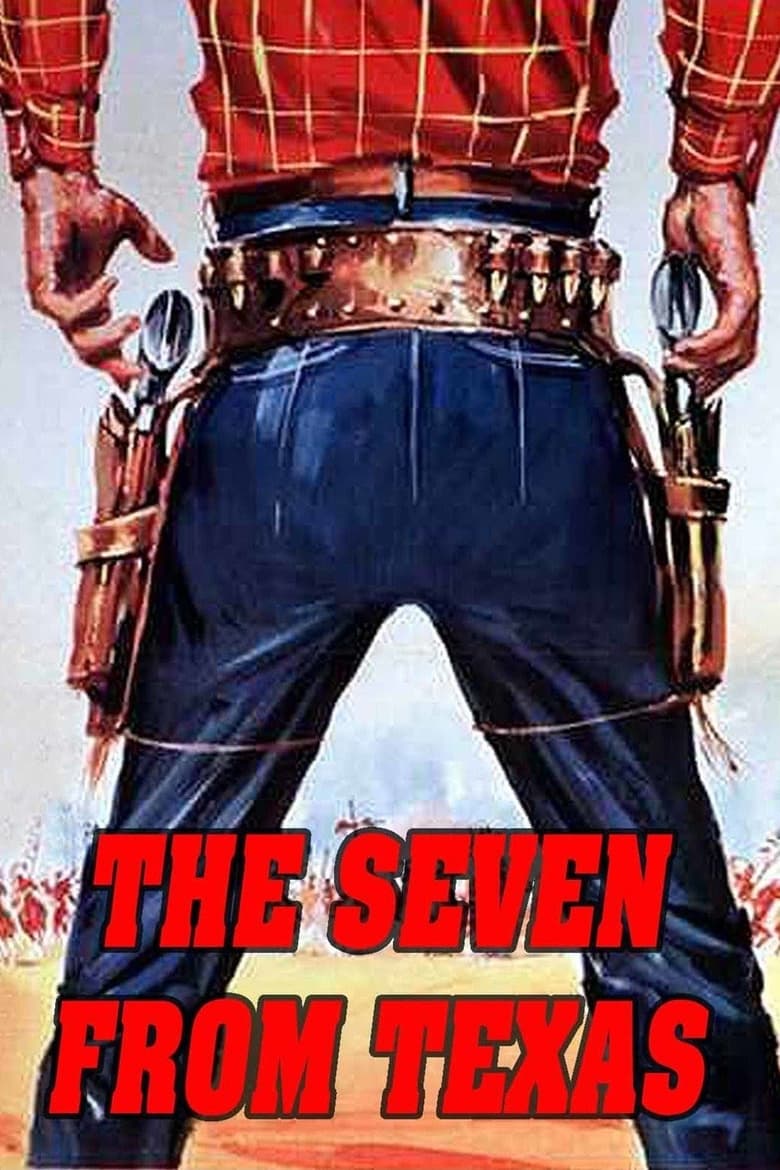
1964
Director
Joaquín Romero Marchent
Runtime
98 minutes
Average Rating
No ratings yetSynopsis
When Bob Carey is released from prison after a long sentence for murder, begins the search for Mary, his former girlfriend. But soon he finds out that during his absence, she has married Clifford, a wealthy landowner. The happiness of that marriage is only apparent, Mary, in fact, is seriously ill, suffering from a brain tumor whose pains she attributes to an imaginary pregnancy. It becomes necessary to bring to the city of Laredo for an operation, so Clifford sells all his possessions and begins the long journey towards hope. Soon others will join the expedition: a former army scout named Rogers, a nice Chinese cook, Lin-Chu, and a mestizo that responds to the name of "Bets".
Overall Score
Limited
Category Breakdown
LGBTQ+ Representation
The film centers on a traditional heteronormative romance between Bob Carey and Mary. No non-cisnormative identities or same-sex intimacy are present.
Gender Representation
Mary serves as the plot's catalyst, yet her agency is limited by her illness. The narrative relies on masculine protectionism to drive the expedition.
Racial & Ethnic Diversity
The inclusion of Lin-Chu and the mestizo character Bets provides moderate ethnic variety. These roles offer functional diversity within the frontier setting.
Religious & Cultural Diversity
The story emphasizes mid-century Western values like marriage and sacrifice. It follows conventional moral frameworks rather than challenging institutional norms.
Disability Representation
Mary's brain tumor drives the plot, but she is depicted primarily as a suffering victim. The film uses her illness to trigger male heroism.
Strengths
Areas for Improvement
AI Analysis
Hour of Death is a conventional 1964 Western that prioritizes genre tropes over social subversion. While it offers more ethnic variety than many contemporaries by including East Asian and Mestizo characters, these figures remain largely functional within the plot. The narrative is heavily anchored in traditional hierarchies. Female and disabled characters exist primarily as catalysts for male action, serving as figures to be rescued or protected rather than autonomous agents. Ultimately, the film adheres to the moral and social standards of its era, focusing on romantic devotion and heroic sacrifice within a strictly heteronormative framework.
1955
1967
1972
1954

1966
1971
1971
1966
1957
1960
1959

1962
No reviews yet. Be the first to share your thoughts on this movie!
Use the rating form above to leave a star rating and optional review.