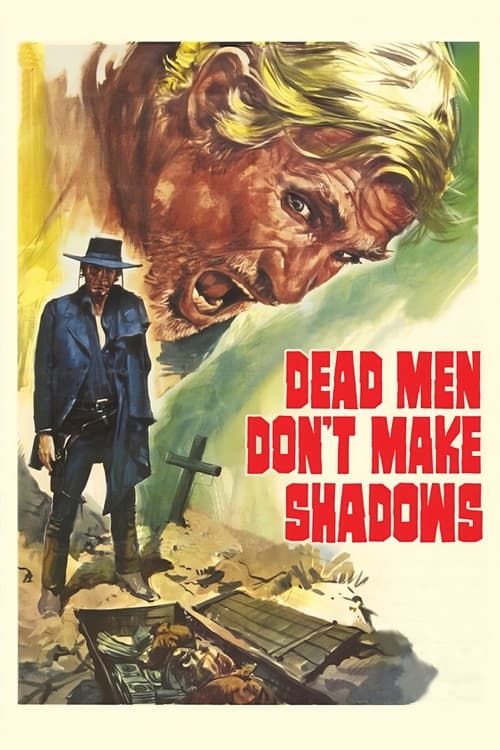
Dead Men Don't Make Shadows
1970
No user ratings available yet
Diversity score: 2.7 out of 10
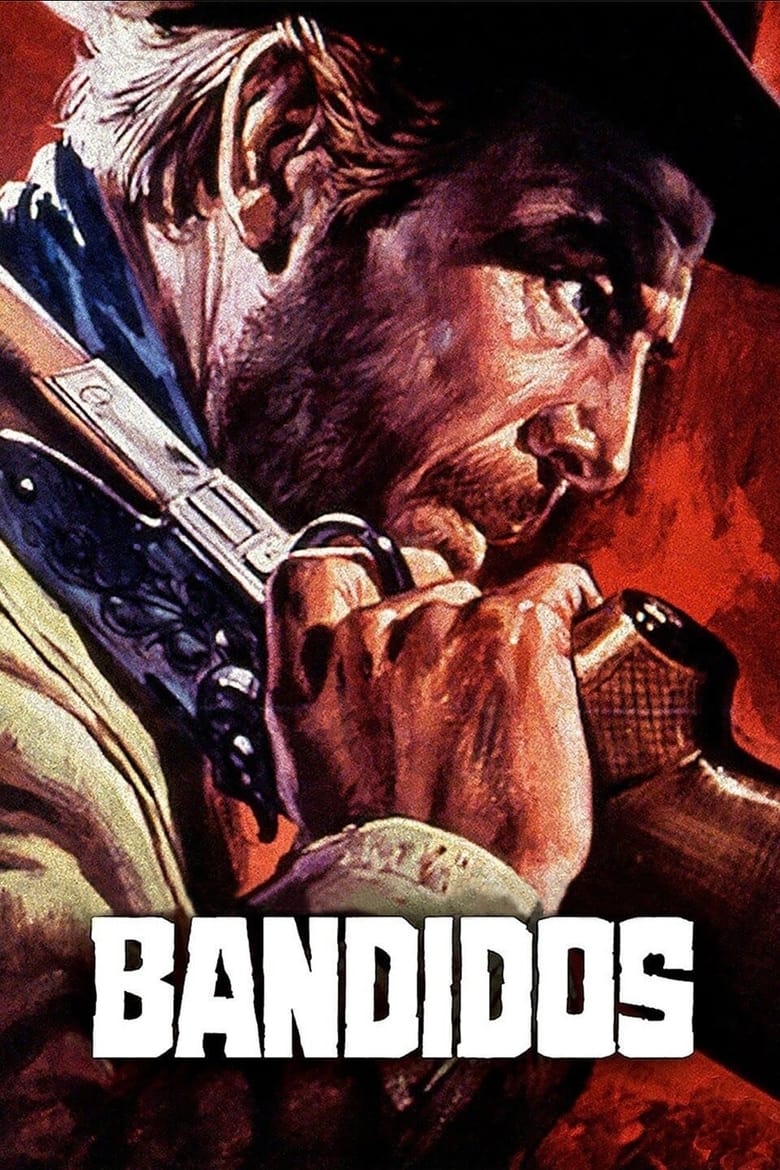
1967
PGDirector
Massimo Dallamano
Runtime
94 minutes
Average Rating
No ratings yetSynopsis
Renowned gunman Richard Martin is traveling on a train, held up by Billy Kane, a former student of Martin's. Kane spares Martin, but only after shooting his hands. Years later, Martin meets an escaped convict, wrongly convicted for the train robbery. Martin trains his new student and both men seek out Billy Kane.
Overall Score
Limited
Category Breakdown
LGBTQ+ Representation
The film focuses on a traditional masculine cycle of mentorship and vengeance. There is no evidence of non-cisnormative identities or narratives that critique heteronormativity.
Gender Representation
The narrative is centered on a male-dominated hierarchy of mentors and antagonists. Plot drivers rely on masculine archetypes of combat and physical prowess.
Racial & Ethnic Diversity
The film adheres to the Anglo-centric or Eurocentric perspectives typical of the 1967 Western genre. The plot emphasizes individualistic conflict rather than a multi-ethnic ensemble.
Religious & Cultural Diversity
The story follows a traditional trajectory of justice and retribution through the 'wrongly convicted' trope. It reinforces standard genre themes of individual honor and personal vendettas.
Disability Representation
A significant physical injury to the protagonist's hands serves as a plot device. This facilitates a character arc of loss and vengeance rather than a nuanced portrayal of disability.
Strengths
Areas for Improvement
AI Analysis
Bandidos is a conventional 1960s Western that prioritizes masculine archetypes and genre tropes over social complexity. The narrative structure revolves around a cycle of betrayal and retribution between men, leaving little room for diverse perspectives. The film relies on established patriarchal hierarchies and individualistic conflicts. While physical injury is used to drive the protagonist's arc, it functions as a tool for vengeance rather than a meaningful exploration of disability. Ultimately, the work reinforces the status quo of its era. It lacks the intentionality needed to challenge traditional norms regarding gender, race, or identity, focusing instead on standard genre-driven storytelling.
1970
1949
1969

1968
1937
1968
1967
1971
1966
1945
1971

1966
No reviews yet. Be the first to share your thoughts on this movie!
Use the rating form above to leave a star rating and optional review.