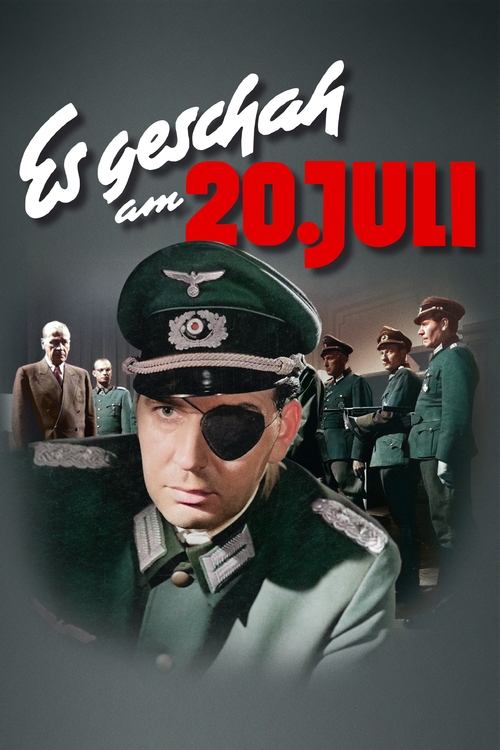
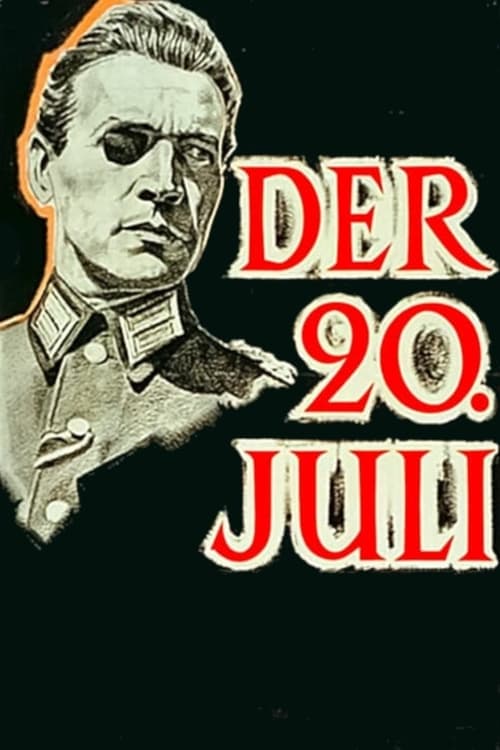
It Happened on July 20th
1955
No user ratings available yet
Representation score: 3.0 out of 10
Representation Score
Minimal
1955
Director
Falk Harnack
Runtime
97 minutes
Average Rating
No ratings yetNew Showbiz Analysis
The film is a period drama centered on the moral conflict within individuals resisting a totalitarian state. While it lacks demographic diversity, it excels in its intellectual critique of authority. Demographically, the film is narrow, featuring a homogeneous cast and reinforcing traditional gender roles with decision-making power concentrated among male officers. However, the narrative provides significant thematic depth. It explores the tension between systemic laws and individual conscience, presenting treason as a virtuous act of resistance.
Category Breakdown
The film does not include any visible depictions of LGBTQ+ identities or narratives that challenge traditional sexual hierarchies. It assumes everyone is straight and cisgender.
The narrative focuses on a patriarchal military structure where female characters are mostly confined to domestic roles and serve as secondary figures to the male protagonists.
The cast is uniform, reflecting the historical context of the German military resistance. The film operates within a strictly European cultural framework.
The film critiques institutional authority and state-mandated loyalty, framing the assassination attempt as a morally necessary action that overrides legal obligations.
There are no visible depictions of physical or neurodivergent disabilities. Characters do not have storylines centered around sensory or mental health conditions.
Present on Screen
Limited or Absent
Official Synopsis
A disillusioned Wehrmacht officer named Colonel Claus von Stauffenberg and his co-conspirators attempt to assassinate Adolf Hitler on 20 July 1944.
1955
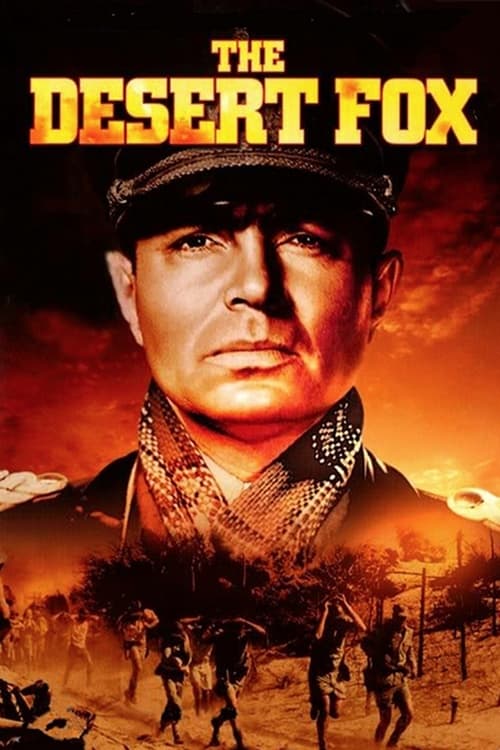
1951
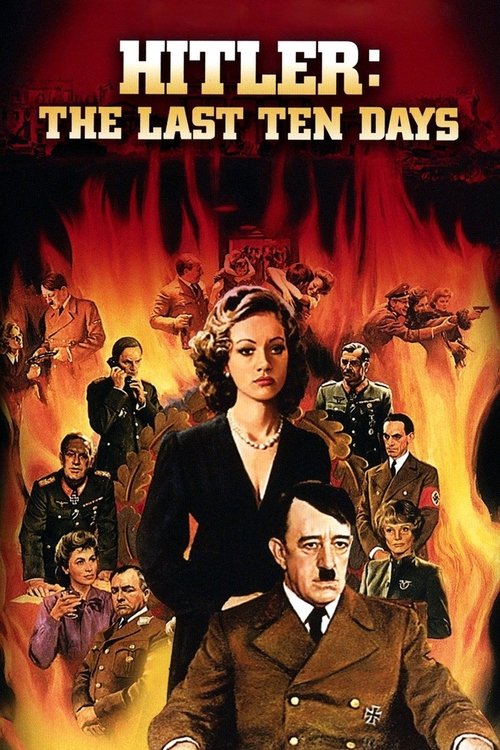
1973
1966

1944
2015

1990

1943
No reviews yet. Be the first to share your thoughts on this movie!
Use the rating form above to leave a star rating and optional review.