A Woman in Berlin
2008
No user ratings available yet
Representation score: 6.0 out of 10

Representation Score
Minimal
2015
Director
Roni Ezra
Runtime
93 minutes
Average Rating
No ratings yetNew Showbiz Analysis
April 9th is a traditional historical war drama that prioritizes period accuracy over contemporary characters who reflect more than one aspect of diversity. The film documents a specific national crisis through the lens of a Danish bicycle infantry company. The narrative structure revolves around the tactical struggles of combatants during the German invasion. Consequently, the film adheres to conventional war genre clichés, focusing on military pressures rather than social hierarchies. Given the film's aim to depict the historical reality of 1940 Denmark, the cast and character dynamics reflect the homogeneous demographics of that era and setting.
Category Breakdown
The film does not include any LGBTQ+ characters or narratives. It follows the traditional social norms of the 1940s military setting.
The story centers on a male-dominated infantry company, emphasizing masculine leadership and combat roles. It offers limited visibility for women and does not challenge traditional gender hierarchies.
The cast is predominantly homogeneous, reflecting the demographics of South Jutland in 1940. It serves as a localized historical study rather than a diverse ensemble.
The narrative examines national sovereignty against an invading force, leaning towards traditional patriotic themes of duty and defense during the German invasion.
There are no characters with visible or invisible disabilities in the film. The plot focuses solely on tactical movements and infantry combat engagements.
Present on Screen
Limited or Absent
Official Synopsis
In the early morning of April 9, 1940, the Danish army is alerted: the Germans have crossed the border.
2008
1966
2017
2016
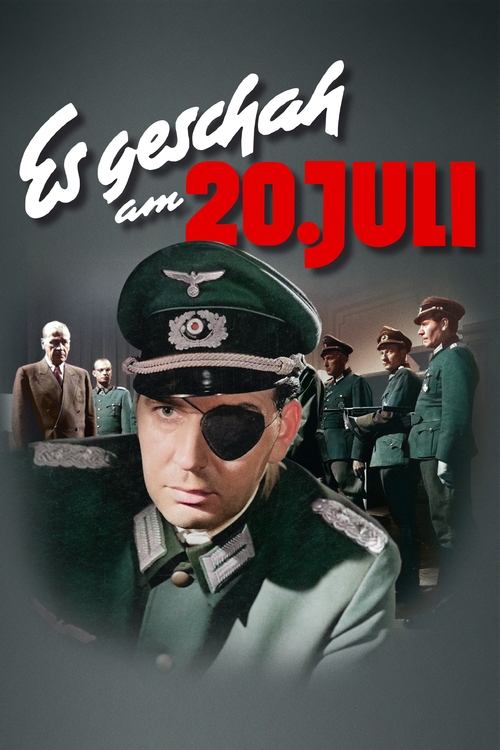
1955
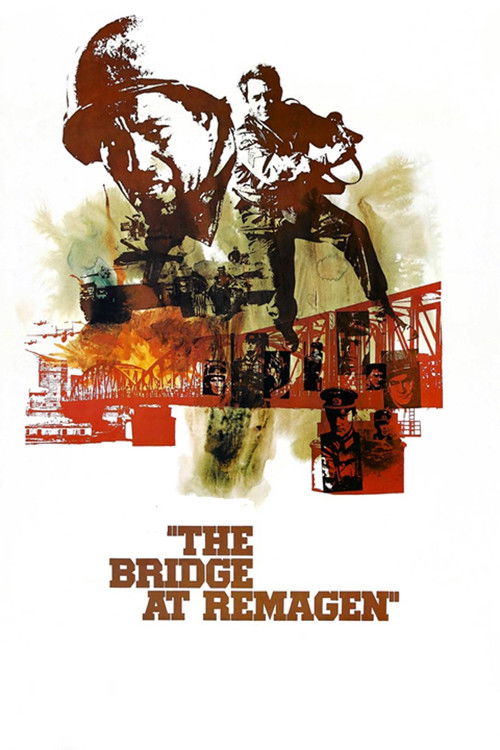
1969
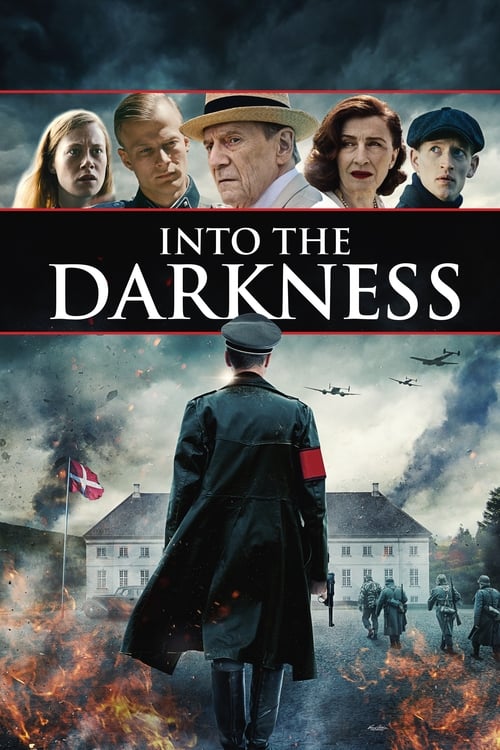
2020
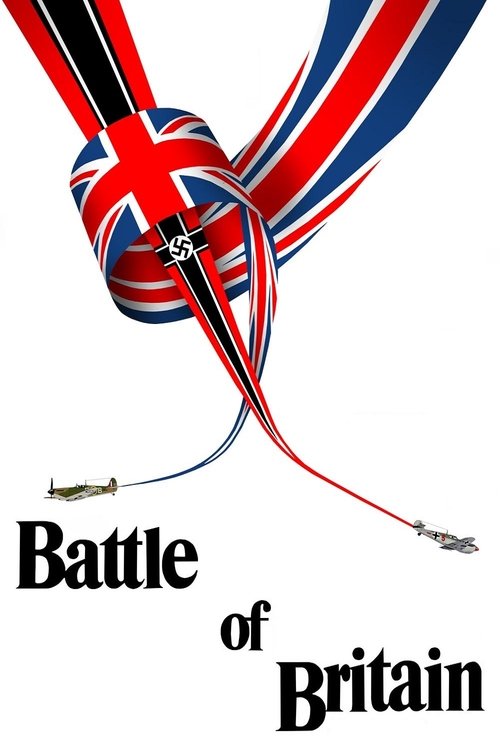
1969
No reviews yet. Be the first to share your thoughts on this movie!
Use the rating form above to leave a star rating and optional review.