
The Plot to Assassinate Hitler
1955
No user ratings available yet
Representation score: 1.4 out of 10

Representation Score
Limited
1955
Director
G.W. Pabst
Runtime
75 minutes
Average Rating
No ratings yetNew Showbiz Analysis
G.W. Pabst draws from his experience in Weimar cinema to offer a nuanced historical critique of systemic power. The film avoids simplistic glorification, focusing instead on the psychological complexities of the July 1944 assassination attempt. Despite the absence of contemporary markers of diversity, the film finds progressive value in its critique of authoritarianism. It challenges blind patriotism by highlighting internal resistance against a totalitarian regime. However, the film remains rooted in its historical context and mid-century dramatic conventions, prioritizing male-dominated spheres of military conspiracy over diverse social representation.
Category Breakdown
The film centers on military and political structures within the Third Reich. It does not include explicit development of non-straight characters or storylines focused on LGBTQ+ themes.
Men hold positions of power in military command, while women are shown in domestic or supportive roles without challenging traditional gender roles.
The cast primarily consists of actors reflecting the homogeneity of the Nazi military. There is no representation of racial or ethnic diversity in the central storyline.
The film questions the idea of a unified national identity. It portrays state institutions as corrupt and harmful by showing their destructive impact on society.
The film does not feature characters with visible or invisible disabilities playing central roles or having specific ability to act within the plot.
Present on Screen
Limited or Absent
Official Synopsis
A dramatic reconstruction of the July 1944 attempt by German Army Officers to assassinate Hitler with a bomb and end the war before Germany was totally destroyed.
1955

1951
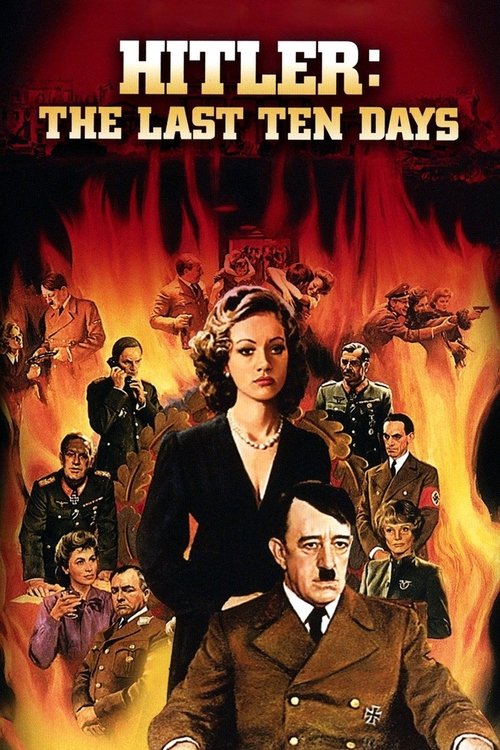
1973

2015

1961

1966

2008

2016
No reviews yet. Be the first to share your thoughts on this movie!
Use the rating form above to leave a star rating and optional review.