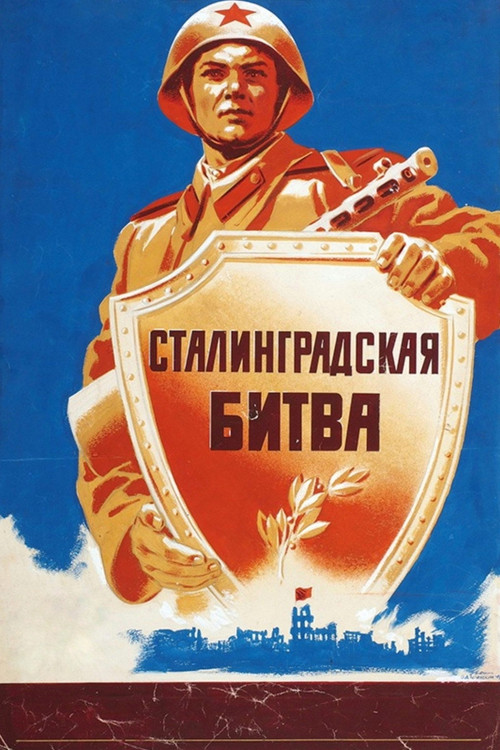
The Battle of Stalingrad
1949
No user ratings available yet
Representation score: 3.5 out of 10
Representation Score
Minimal
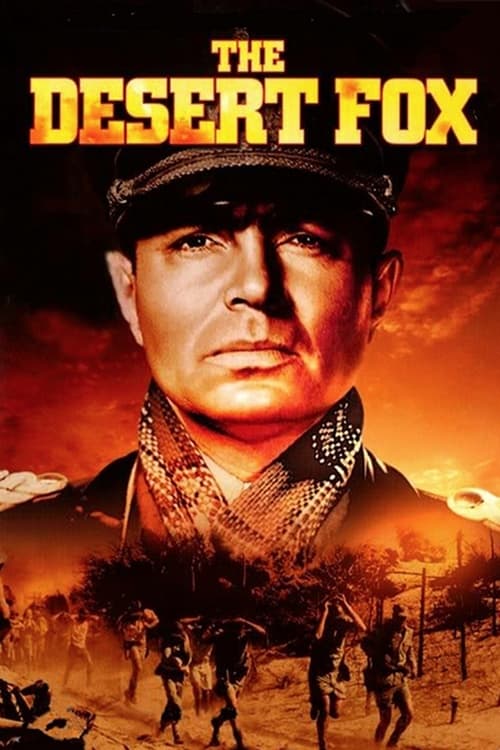
1951
NRDirector
Henry Hathaway
Runtime
88 minutes
Average Rating
No ratings yetNew Showbiz Analysis
This film is a classic example of 1950s Hollywood cinema, emphasizing traditional narrative structures and heroic military figures. It adheres closely to the social and demographic norms of its time, without challenging cultural hierarchies. While the film delves into intricate themes of ethical dilemmas and professional honor, it does so through a narrow, Eurocentric lens. The emphasis is on distinguishing military duty from political extremism, rather than exploring diverse perspectives.
Category Breakdown
The film does not include any LGBTQ+ characters or representations of non-binary gender identities. It stays focused on the military hierarchy of the mid-20th century.
Gender roles in the film are very traditional, with male characters taking the lead in military command. Female characters are mostly peripheral and have limited involvement in the main storyline.
The cast is primarily made up of white actors, presenting the North African Campaign from a Eurocentric viewpoint. Important roles do not include diverse perspectives from other cultures.
The film examines a moral code centered around personal honor and professional responsibility. It criticizes the Nazi regime to highlight the honor of soldiers rather than questioning power structures.
The film does not depict any characters with visible or invisible disabilities. There are no storylines focused on physical impairments or neurodivergence.
Present on Screen
Limited or Absent
Official Synopsis
The life and career of Erwin Rommel and his involvement in the plot to assassinate Hitler.
1949
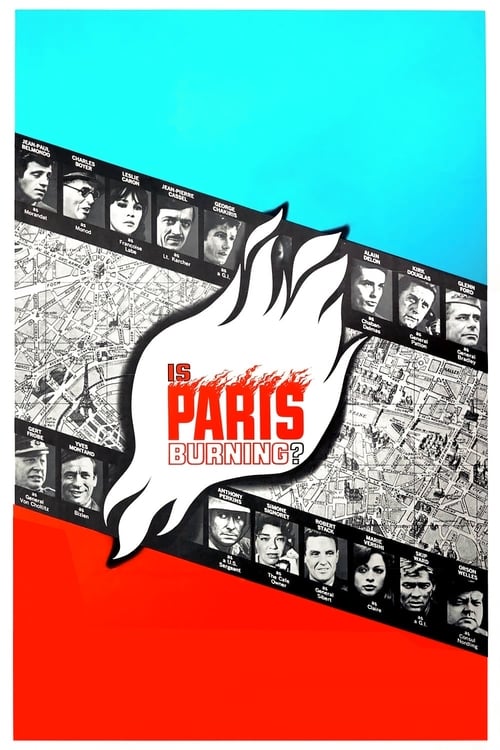
1966
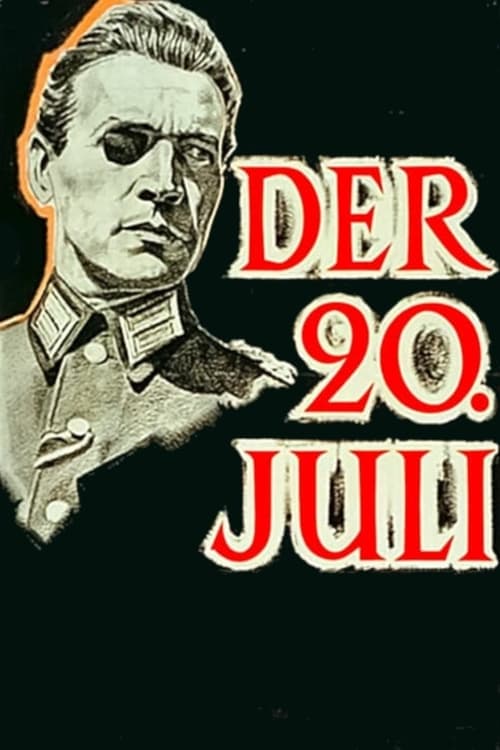
1955
1955

2012
1976

1990
2015
No reviews yet. Be the first to share your thoughts on this movie!
Use the rating form above to leave a star rating and optional review.